LNG carriers begin avoiding the Strait of Hormuz, a key artery for LNG and oil transport

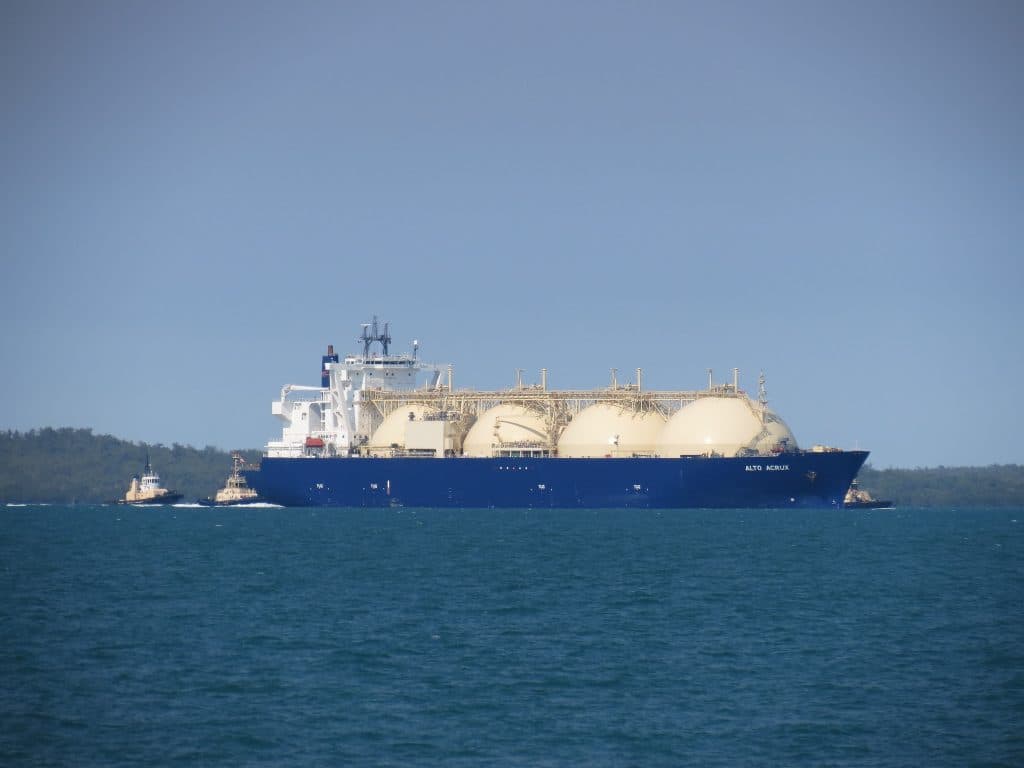
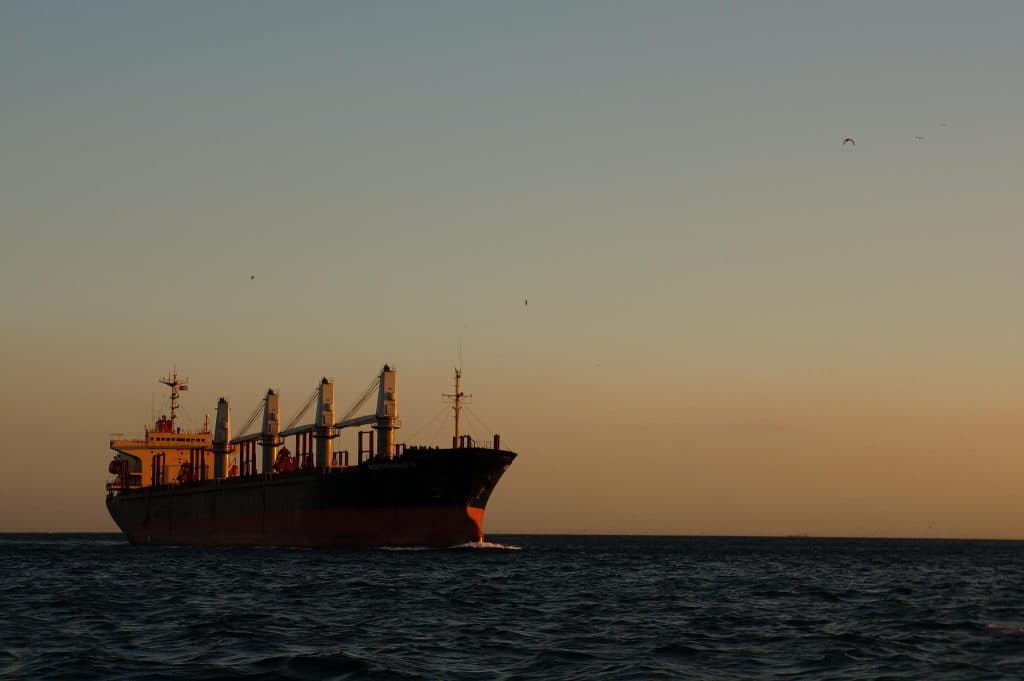
The conflict around the Strait of Hormuz is beginning to affect global trade in liquefied natural gas (LNG) as well. According to analytics firm Argus Media, at least nine LNG tankers changed course today and sailed away from the entrance to the strait, which connects the Persian Gulf with the Gulf of Oman. The actual number may be even higher, as signal disruptions in the region have made it much harder to track shipping.
According to tracking data from Kpler and Vortexa, no liquefied natural gas (LNG) tanker was approaching the Strait of Hormuz at 20:00 on Saturday, meaning gas transportation had effectively come to a halt at that point. The last loaded vessel to pass through the area was a tanker carrying 155 000 cubic metres of LNG, which left the strait at noon.
To put that in perspective, the tanker was carrying a volume equivalent to around 60 Olympic-sized swimming pools. Once regasified, that amount could cover a month’s gas consumption for hundreds of thousands of European households. Even a single tanker therefore represents a significant volume of energy, illustrating why markets are closely monitoring any disruption to operations in the area.
Of the nine tankers mentioned, seven were empty and heading into the Persian Gulf to load cargo. Two vessels had already taken on cargo but then changed course and turned away from the area. Both loaded tankers are operated by state-owned QatarEnergy, the region’s largest LNG producer.
A key artery for the global oil and LNG markets
The Strait of Hormuz is one of the world’s most important energy arteries. According to data, around 20 % of global LNG trade passes through it regularly. Overall, export capacity of around 82,6 million tonnes of LNG per year lies beyond the strait, equivalent to approximately 291 million m³ of gas per day in pipeline supply terms.
For European countries, the key point right now is that Qatar is one of the main suppliers of LNG to Europe. After Russian gas supplies were curtailed, LNG became a key part of Europe’s energy security. Any longer-term disruption to shipping through Hormuz could therefore also affect European gas prices, including the TTF benchmark market.
A knock-on effect: pressure on Turkey and Egypt
The conflict in the Middle East could affect not only countries directly on the Persian Gulf. Countries such as Turkey and Egypt, which depend on gas imports, could also feel the indirect effects. For Europe, this would mean that increased demand for LNG from Turkey or Egypt could intensify competition for available supplies on the global market. And when more countries compete for the same gas, prices usually rise.
In November, for example, Egypt announced that it was importing 681 million cubic metres of gas per month from Israel, or around 22,7 million cubic metres per day. But if Israel halted production at the Karish and Leviathan fields due to the security situation, this flow could be interrupted again—as it was in 2025. For Egypt, that would mean losing a significant portion of its supplies.
In that situation, the country would have to buy more LNG. Estimates put the amount at up to 6,4 million tonnes of LNG per year, which in practice means approximately one tanker every four days. This would put considerable pressure on Egyptian ports and facilities that convert the gas back into its gaseous state after it is unloaded from ships. The arrival of the specialist floating unit Energos Eskimo is expected to ease the situation to some extent. It is an FSRU—a vessel that can store LNG and regasify it. Its capacity is 160 000 cubic metres of LNG.
Turkey faces a similar risk. Iran supplied it with 576 million cubic metres of gas in December, or around 18,6 million cubic metres per day. If Iran halted exports, Turkey would have to make up the shortfall by buying LNG on the global market. This could mean increasing imports to as much as 5,3 million tonnes per year—approximately one tanker every five days.
Translation disclaimer
This article is a machine translation of the Czech original and has not yet been fully reviewed. In case of any doubt, please refer to the Czech version.