
23 October 2026, 14:38
Loading...
ENTSOG: Storage facilities are key to meeting winter gas demand
Klára Čeperová
23 October 2025, 11:03
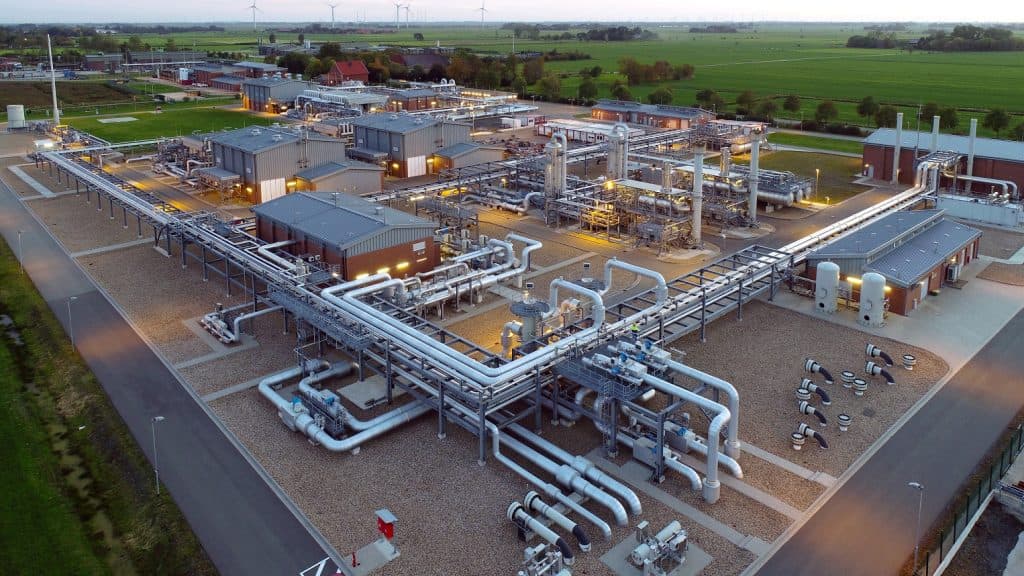
The European Network of Transmission System Operators for Gas (ENTSOG) has assessed the ability of the European gas system to cope with normal or cold winter conditions and periods of high demand. This year’s edition of the Winter supply outlook presents the impact on the EU of a possible interruption to gas supplies from Russia and Algeria, as well as a reduction in LNG supplies.
Although underground gas storage facilities across the EU are less full than a year ago, Europe’s resilience to an interruption of Russian gas supplies has increased. This is according to an analysis by the European Network of Transmission System Operators for Gas (ENTSOG), presented in its annual Winter supply outlook.
The importance of storage can be illustrated by the 2024/25 winter season, when storage facilities provided 31 % of EU supplies.
Storage levels
As of 1 October this year, EU gas storage facilities were 83 % full, equivalent to 943 TWh. This is around 10 percentage points less than last year, when storage facilities were required to be at least 90 % full by 1 November.
However, this year’s rules offer greater flexibility, allowing the target to be reached at any time between 1 October and 1 December. In addition, the changes introduce 10% flexibility in the event of difficult conditions for filling storage facilities, and the European Commission may increase this flexibility by a further 5 % through a delegated act if adverse market conditions persist.
By maintaining storage levels at an appropriate level and avoiding significant withdrawals too early, the gas system can remain flexible and resilient, ensuring supplies during periods of high demand in winter.
The largest sources of supply for EU countries are LNG and pipeline gas from Norway. If sufficient LNG is available, the European gas network can meet demand while maintaining storage levels above 30 % by the end of the winter season. This would be possible even if supplies from Russia were interrupted. However, the results suggest that gas storage may need to be used more extensively.
Simulations of periods of high demand under extreme conditions—that is, a cold winter, low initial storage levels and supply interruptions—also point to potential bottlenecks on the west-to-east route, which constrain gas supplies to eastern Europe.
Interruption of Russian supplies
If Russian supplies were interrupted during a cold winter with high gas demand and reduced LNG supplies, simulations show that additional measures would be needed, such as securing extra supplies and reducing demand. The same applies if all supplies from Algeria were interrupted.
Greater storage flexibility could be achieved by storing additional volumes in Ukrainian storage facilities, provided that this gas could be injected and then withdrawn during the winter and that market participants were willing to use the facilities. Potential gas transit through Ukraine between member states could improve interconnectivity between the regions of central and eastern Europe and south-eastern Europe.
Translation disclaimer
This article is a machine translation of the Czech original and has not yet been fully reviewed. In case of any doubt, please refer to the Czech version.
Sdílejte článek prostřednictvím:
You might also like


23 October 2026, 11:01


23 October 2026, 06:34