
28 October 2026, 15:10
Loading...
EP approves package focused on 'green' gases and security of supply
Klára Čeperová
20 April 2024, 08:39
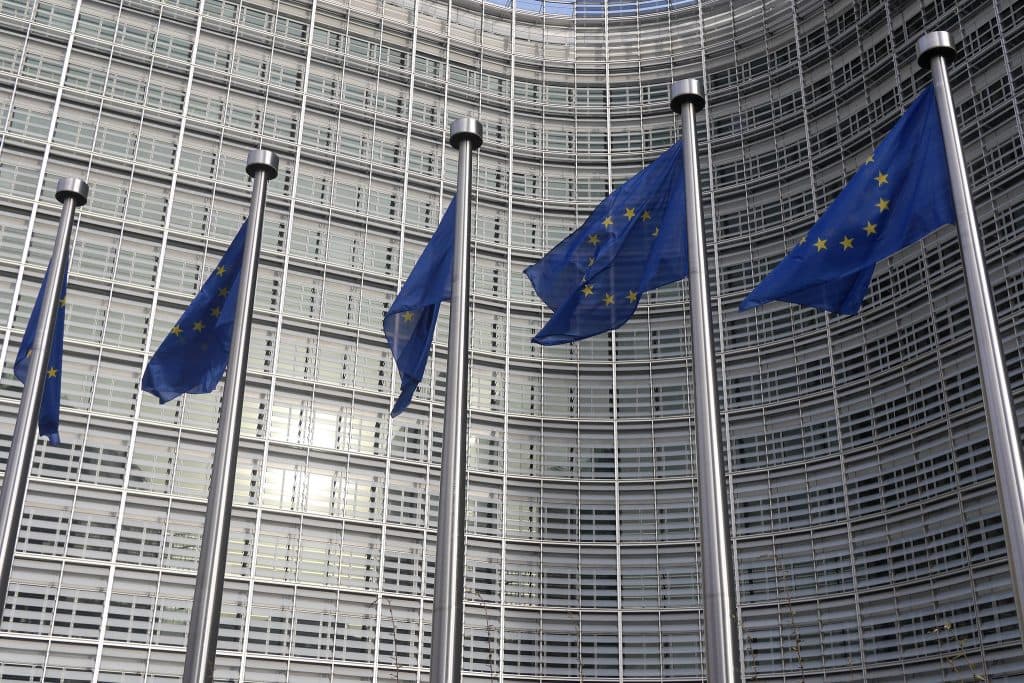
The European Parliament has voted in favour of a new gas package intended to facilitate the deployment of renewable and low-carbon gases. The text also addresses security of supply.
Natural gas accounts for approximately 95% of the gaseous fuels currently consumed in the EU. Alongside being an energy carrier, gaseous fuels are also a key feedstock for industrial processes and one of the sources of flexibility for an energy system increasingly based on variable supplies from renewable energy sources. The legislation adopted addresses precisely how to deal with gaseous fuels – the so-called gas package first presented in 2021.
It consists of one directive and one regulation. The regulation, adopted by 447 votes to 90, with 54 abstentions, will strengthen mechanisms for fair price formation and stable energy supplies, Parliament said.
The directive, which establishes common rules for the internal markets in hydrogen and renewable gases, was adopted by 425 votes to 64, with 100 abstentions.
"Green gases"
The legislation introduces, for example, a joint gas purchasing system to prevent competition between member states, as well as a five-year pilot project to strengthen the EU hydrogen market, Parliament said.
European Parliament rapporteur Jerzy Buzek told S&P Global Commodity insight that the regulation will transform the energy market into one based primarily on two sources – green electricity and green gases.
He was referring to the package's coverage of renewable and low-emission gases and their role in a decarbonised energy system. This also involves establishing Europe-wide rules for the hydrogen market and infrastructure, and seeking to remove barriers to their development.
“This is a huge step towards achieving the EU's ambitious climate targets and increasing the EU's competitiveness in global markets,” Buzek said.
Security of supply
In 2021, a sharp rise in energy prices raised questions about security of supply amid the interplay of prices, lower storage filling levels and the continued availability of gas supplies.
The proposal therefore also amends the Gas Supply Security Regulation, aiming to extend its scope to renewable and low-carbon gases in the gas system while adapting it to new risks, such as cyber threats.
Both texts must now be formally adopted by the Council of the EU before publication in the Official Journal.
Translation disclaimer
This article is a machine translation of the Czech original and has not yet been fully reviewed. In case of any doubt, please refer to the Czech version.
Sdílejte článek prostřednictvím:
You might also like

28 October 2026, 13:08

28 October 2026, 11:10

28 October 2026, 09:08
