
23 October 2026, 14:38
Loading...
EU to discuss halt to Russian gas transit through Ukraine

oEnergetice.cz, ČTK
2 January 2025, 16:43
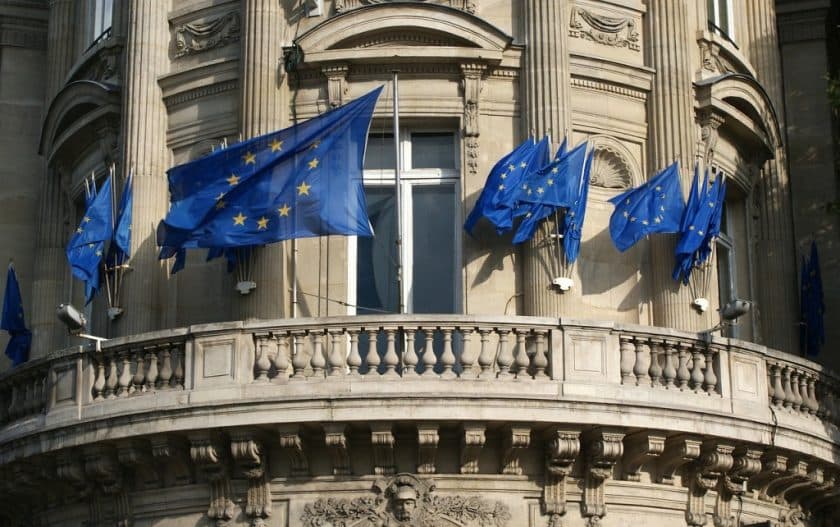
Brussels, 2 January (ČTK correspondent) – The Energy Working Party of the Council of the EU will discuss the impact of halting Russian gas transit to Europe through Ukrainian territory at an extraordinary meeting on Friday. The group comprises experts from the relevant ministries of EU countries and their Permanent Representations to the European Union. The meeting of the working party, a preparatory body of the Council of the EU, will take place by videoconference. Slovak Prime Minister Robert Fico has warned in particular of the drastic consequences of halting gas transit. According to ČTK sources, a meeting between representatives of Slovakia, the European Commission and Ukraine is also due to take place next Tuesday.
As expected, Ukraine halted the transit of Russian gas to Europe across its territory on 1 January. This followed the expiry of a five-year contract between Ukrainian company Naftogaz and Russia’s Gazprom. Kyiv justified the move on grounds of Ukraine’s national security, as Moscow partly finances its war against Ukraine by selling commodities. Slovak Prime Minister Robert Fico warned of the „drastic consequences“ of the transit interruption for the EU as a whole, while Polish Foreign Minister Radosław Sikorski welcomed it as a victory. Ukrainian President Volodymyr Zelenskyy called it one of Moscow’s biggest defeats. Czech officials believe the Ukrainian move will not affect Czechia and that its negative impact will be felt mainly in Slovakia.
The European Commission said on Wednesday that „the halt to supplies through Ukraine is an anticipated situation“ and that „the EU is prepared for it“. The gas infrastructure across the 27-member bloc is sufficiently flexible to deliver gas to Central and Eastern Europe from sources other than Russia via alternative routes, the Commission added.
The Gas Coordination Group of the European Commission’s Directorate-General for Energy also held an extraordinary meeting in Brussels today. At the meeting, representatives of the Commission and Central and Eastern European countries „assessed the situation and confirmed that, thanks to effective preparation and coordination within and beyond the region, there are no concerns about security of supply“, according to a statement. „Gas supplies are secured through alternative routes (Germany and Italy) and withdrawals from storage. Europe’s gas infrastructure is flexible enough to accommodate gas of non-Russian origin, in line with the objectives of REPowerEU. Since 2022, it has also been strengthened with significant new LNG import capacity,“ the Directorate-General added.
Slovakia’s Ministry of Economy had also previously assured the public that the country was prepared for a halt to gas transit through Ukraine. „We have been discussing gas transit through Ukrainian territory for a long time, including at joint meetings of the Slovak and Ukrainian governments, and talks have also been held with the Russian side. There are several alternatives that we have discussed. Ukraine has, however, decided to take a unilateral step that will also harm Slovakia,“ the Slovak ministry said in its statement. „At the same time, I want to assure everyone in Slovakia, including businesses, that we are prepared for this scenario and that there is currently no threat of a gas shortage in Slovakia,“ said Deputy Prime Minister and Minister of Economy Denisa Saková.
According to the ministry, Slovakia is technically well prepared for a halt to gas supplies from Russia via Ukraine. State-owned SPP (Slovak Gas Industry) has 20 percent more gas stored in underground storage facilities than a year ago.
The halt to Russian gas transit from the east will have a direct financial impact mainly on Slovakia, the Slovak Ministry of Economy added. Slovak gas companies will pay around 177 million euros (4.5 billion Kč) more in transit fees alone for gas flowing from the west rather than the east. This estimate already factors in savings of approximately 90 million resulting from the abolition of Germany’s storage filling levy. Slovakia will lose tens of millions of euros more in revenue from transit fees when it stops collecting charges for gas transit to third countries.
On 29 December, the Slovak prime minister wrote an open letter to European Council President António Costa and European Commission President Ursula von der Leyen. „There is no doubt that the Ukrainian president’s unilateral decision will have a significant negative impact on our shared European efforts to keep pace with the rapidly developing countries of the world. I do not know whether the vague approach of the European Commission and most member states stems from the fact that the economic impact of interrupting the transit of Russian gas or other gas through Ukraine has not been professionally analysed at all, and the whole matter has been assessed solely on ideological grounds, or whether such an analysis was carried out but not openly discussed with member states, and the impact of the Ukrainian president’s decision on the European economy is being underestimated,“ Fico wrote.
He added that halting transit through Ukraine would cost European citizens, businesses and infrastructure tens of billions of euros a year, and Ukraine almost 800 million euros. The loss to the Russian Federation, meanwhile, would amount to only around two billion euros, Fico added. He asked Costa and von der Leyen, „on behalf of the Slovak Republic, but above all on behalf of the entire European Union“, to „give this unprecedented situation due attention and treat it as an urgent priority“.
Translation disclaimer
This article is a machine translation of the Czech original and has not yet been fully reviewed. In case of any doubt, please refer to the Czech version.
Sdílejte článek prostřednictvím:
You might also like


23 October 2026, 11:01


23 October 2026, 06:34