11 October 2026, 08:24
Loading...
Europe grapples with low gas storage levels. German government prepares measures to safeguard security of supply

Eduard Majling
26 August 2026, 10:33
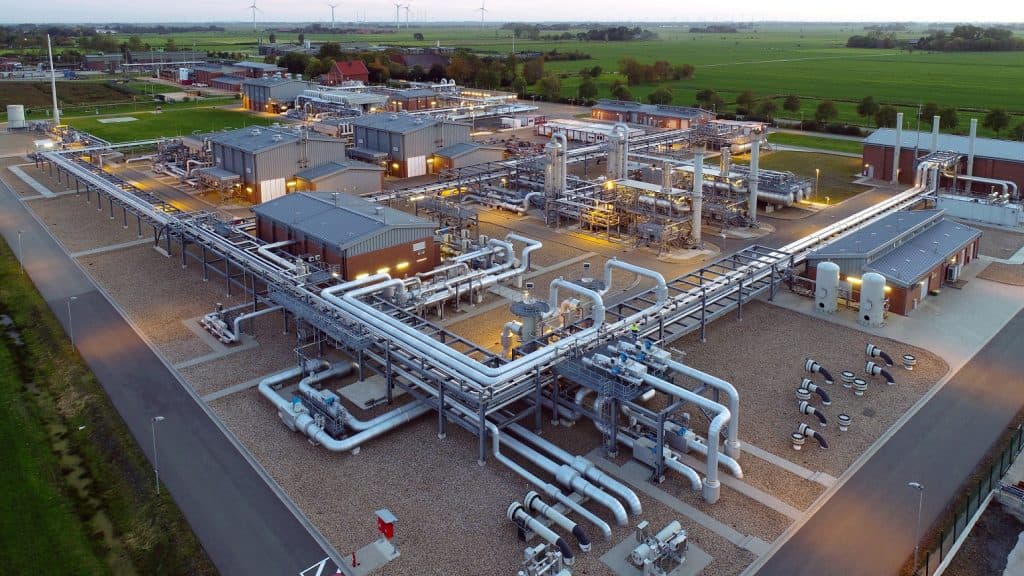
With disruptions to liquefied natural gas (LNG) supplies from the Persian Gulf continuing, Europe is still facing strong competition from demand in Asia. LNG deliveries to Europe have therefore been relatively weak in recent months, negatively affecting gas storage levels. It is already almost certain that Europe will not fill its storage facilities to 90% before winter, as it did in previous years. Amid growing concerns over security of supply, the German government is reversing course and no longer wants to leave the solution to the market alone. The situation in neighbouring Germany is also significant for security of supply not only in Czechia, but across Europe.
After Europe lost the vast majority of its natural gas supplies from Russia in recent years, it suffered another blow this year. The global liquefied gas market has faced significant supply restrictions since the start of the war between the US and Iran. Before the war broke out, Qatar and the United Arab Emirates accounted for roughly one-fifth of total LNG volumes supplied to the market.
Translation disclaimer
This article is a machine translation of the Czech original and has not yet been fully reviewed. In case of any doubt, please refer to the Czech version.
The article continues for subscribers
Premium content
The rest of this article is available to premium subscribers only. Get access to all premium articles on oEnergetice.cz.
You have read only 40% of the article — unlock the remaining 60% with a premium subscription.
Best value: annual subscription
Monthly option 4 € / month
3.25 €/ month
You might also like

10 October 2026, 13:19
10 October 2026, 07:37
10 October 2026, 07:02