Gas lobby against science: Howarth study sparks debate over LNG's emissions footprint

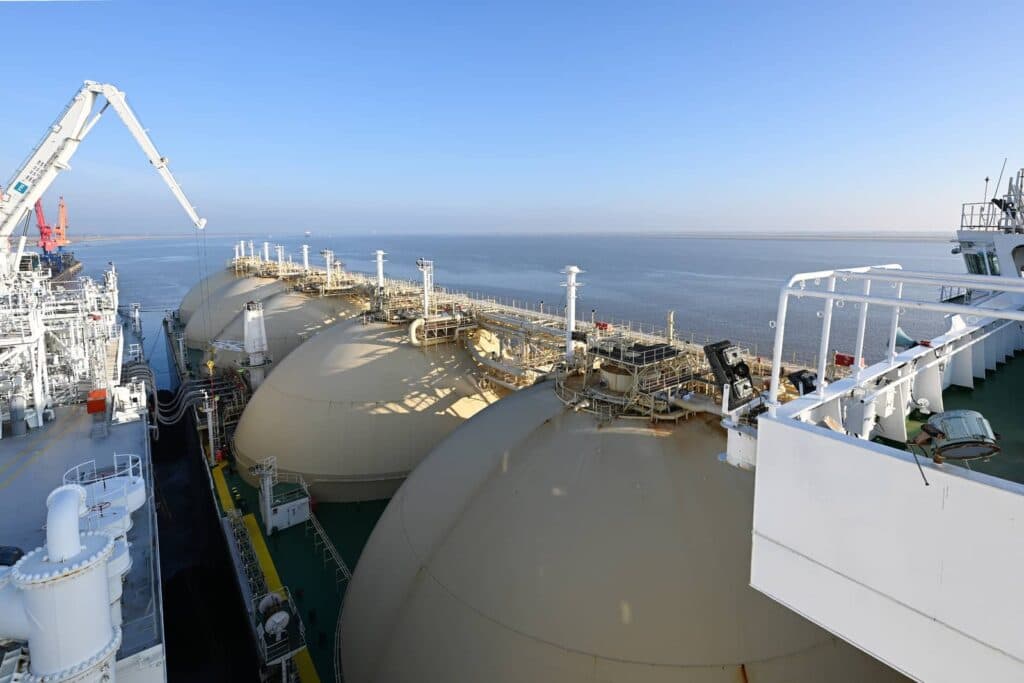
A report by Robert W. Howarth of Cornell University, highlighting the emissions footprint of US liquefied natural gas (LNG), has been peer-reviewed and published in the journal Energy Science & Engineering. Its conclusions remain virtually unchanged, much to the displeasure of the US gas lobby. The British newspaper The Guardian reported the publication.
Robert Warren Howarth is an American biogeochemist and environmental scientist at the prestigious Cornell University. He is a respected expert in his field and has addressed climate pollution in numerous publications. In 2011, for example, he published one of the most controversial studies, titled Methane and the Greenhouse Gas Footprint of Natural Gas from Shale Formations, which led Time magazine to include him on its list of “people who matter”.
His latest work is the aforementioned report on greenhouse gas emissions resulting from the extraction and transportation of shale gas in the United States. The report provides a comprehensive assessment of extraction, liquefaction, transportation, regasification and end use. In short, its central finding is that, over a 20-year timeframe, LNG exported from the US is 33% worse than coal in terms of planet-warming emissions.
“Thinking that we should ship this gas as a climate solution is simply wrong. It is greenwashing by oil and gas companies, which have seriously underestimated the emissions from this type of energy,” Howarth said in reference to his findings.

Clash with the gas lobby
Earlier this year, US President Joe Biden paused plans to build new LNG terminals and issue export permits. The gas sector is, of course, unhappy with this. Last month, for example, a group of four Republican members of the House sent a letter to the US Department of Energy requesting direct correspondence with Howarth, whose study they described as flawed.
They cite a report by the Breakthrough Institute to support their claims. Analysts at the institute say the study significantly overestimates LNG’s climate impact from methane leaks because of flawed assumptions about leakage rates and methane’s global warming potential. The Breakthrough Institute also says Howarth’s paper inaccurately models LNG supply chains and distorts the role of methane in climate warming. The institute’s analysis highlights these methodological errors and argues that more accurate models show LNG emissions to be lower than Howarth assumes.
It is clear that the clash between advocates of environmental science research, such as Robert Howarth’s study, and the interests of the gas industry, which is seeking to minimise criticism of LNG emissions, is intensifying. Nevertheless, Howarth’s claims are supported by more than a hundred scientists, underscoring the importance and credibility of his research.
Against this backdrop, the question arises as to how far political decisions will reflect scientific findings rather than the industry’s commercial interests, a choice that could have far-reaching consequences for climate policy. The upcoming US presidential election may be a significant indicator of the direction ahead, as Republican candidate Donald Trump makes no secret of his support for LNG and fracking in general.
Translation disclaimer
This article is a machine translation of the Czech original and has not yet been fully reviewed. In case of any doubt, please refer to the Czech version.




