23 October 2026, 14:38
Loading...
German LNG terminal construction costs to more than triple, taxpayers to foot the bill

Martin Voříšek
7 March 2023, 17:06
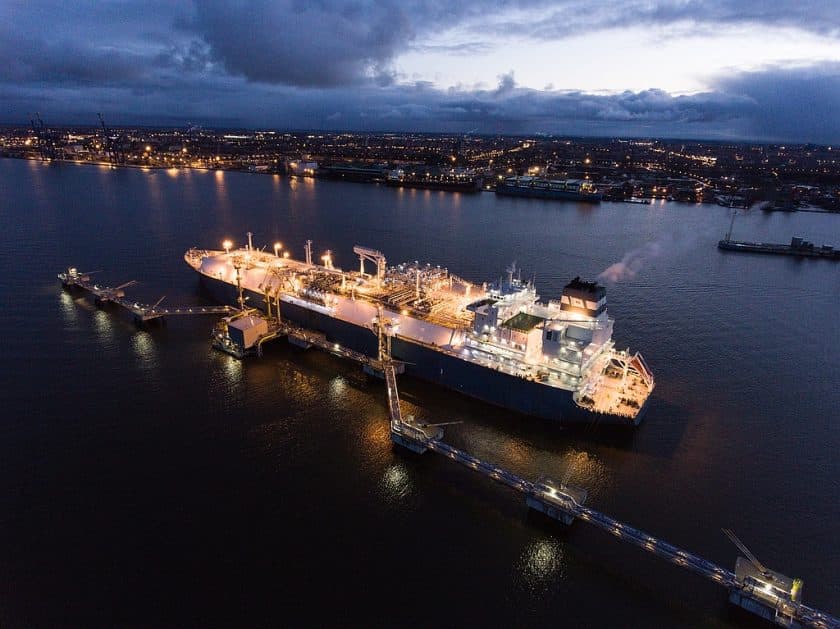
The cost of building German liquefied natural gas import terminals will rise above the projected EUR 9.8bn. Taxpayers will ultimately bear these costs, as the government is involved in their construction. Costs have already risen by more than threefold compared with initial estimates.
Ensuring energy security can become significantly more expensive. Germany is now experiencing this, having arguably been hit hardest by the energy crisis and the related reduction in supplies from Russia.
Although there is currently no immediate threat of gas supply shortages, primarily thanks to new floating terminals for the regasification of LNG and an exceptionally warm winter, the bill for ensuring energy security continues to grow.
The costs allocated by the government to operate the terminals between 2022 and 2038 have risen substantially. While the original budget envisaged around EUR 3bn, by early December it had climbed to almost EUR 10bn.
It is already clear, however, that even this amount will not be sufficient. According to documents published by the German Ministry for Economic Affairs, costs will be higher. However, it did not disclose any further details or the specific amount that taxpayers will ultimately bear.
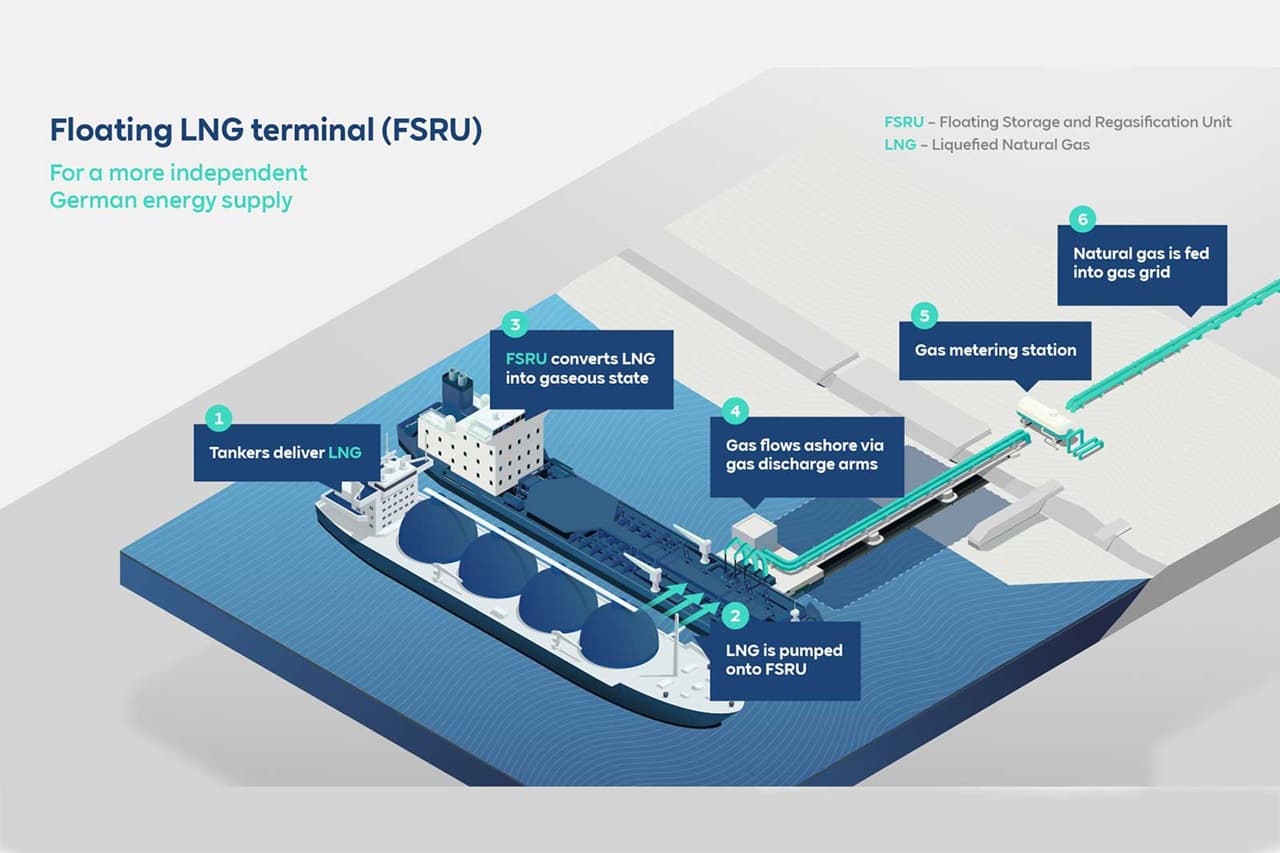
Floating LNG terminal. Source: RWE
On the German coast, the German government began construction in record time on a total of 5 floating storage and regasification units (FSRUs). The aim is to accelerate Germany's efforts to gain access to new sources of natural gas after Russian natural gas supplies via the Nord Stream pipeline were halted. Together with the Nord Stream 2 pipeline, which was never fully operational due to a lack of certification, they were to have a combined import capacity of 110bn m³.
In 2024 and 2025, five vessels leased by the government will offer regasification capacity of 27bn m³. A private project at the port of Lubmin will offer capacity of 5bn m³, which can be doubled to 10bn m³ from 2024.
Translation disclaimer
This article is a machine translation of the Czech original and has not yet been fully reviewed. In case of any doubt, please refer to the Czech version.
Sdílejte článek prostřednictvím:
You might also like
23 October 2026, 11:01
23 October 2026, 06:34