27 September 2026, 08:37
Loading...
Methane regulation is not just about climate. It can strengthen EU energy security
Erik Novotný
26 September 2026, 07:42
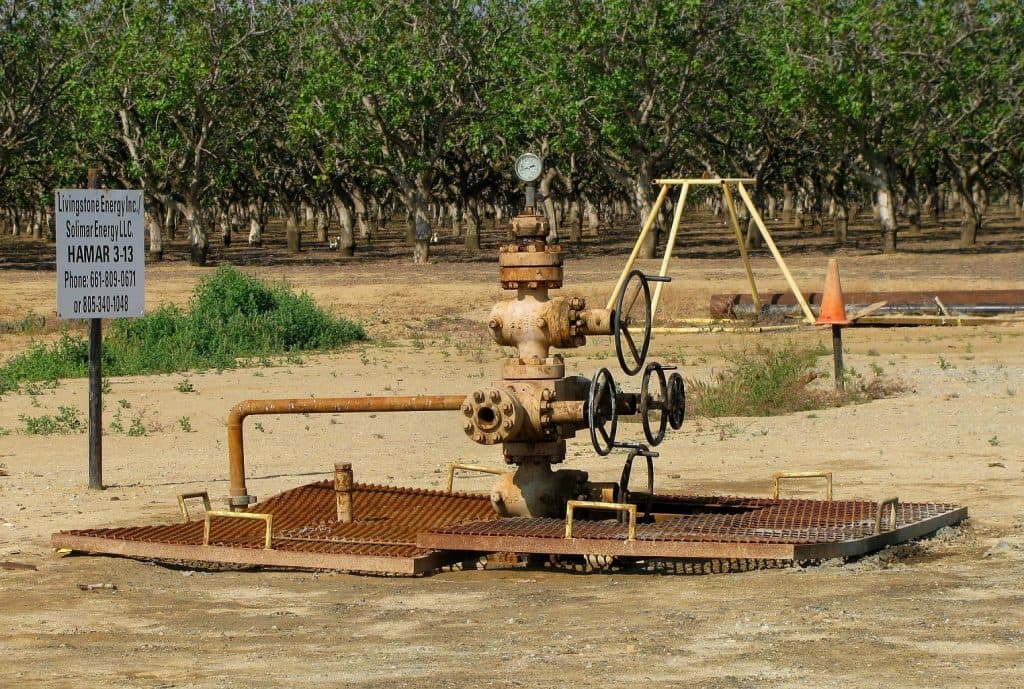
European energy security is not just a question of where gas comes from, but also how much is unnecessarily lost during extraction and processing. A new analysis by Climate Action Network Europe shows that curbing methane leaks can simultaneously reduce emissions, improve the efficiency of supply chains and make some of the gas that is currently wasted available. For European consumers, who are largely dependent on imports, this is becoming an increasingly important part of the energy security debate.
Around 90% of the EU’s fossil gas consumption is covered by imports. Its supply mix changed significantly after the energy crisis. Russia’s share fell from around 44% of imports in 2021 to 12% in 2025. The United States, by contrast, strengthened its position. US gas accounted for around 27% of the EU’s total imports last year, while the US share of LNG reached as much as 58%. Europe has therefore significantly reduced its dependence on Russian gas, but the importance of other suppliers has also increased.
This is where a new dimension of energy security emerges, according to the analysis. US gas has an estimated methane emissions intensity of around 1.2%, well above the 0.2% benchmark set by the Oil and Gas Climate Initiative.
The US is also the world’s largest source of methane emissions from gas operations. Around a third of global emissions from this sector come from the country. At the other end of the scale are Norway and the United Kingdom, which together play a significant role in Europe’s low-methane-intensity supply.
20 billion cubic metres that could be recovered
Every leak, venting event or unnecessary flaring of gas therefore means not only additional emissions, but also a direct loss of potentially saleable gas. According to the analysis, implementing available measures among the EU’s eight main suppliers could make it possible to recover around 20 billion m³ of gas per year from gas operations alone.
That is roughly twice the volume of LNG the EU imported from Qatar in 2025. Including oil operations would increase the potential to around 43 billion m³, more than half the US LNG imported into the EU.
Reducing methane emissions need not be costly
The economic potential is significant. According to the report, around 55% of the global potential for reducing methane emissions can be realised at a net negative cost—the value of the gas captured exceeds the cost of recovering it. Among the EU’s eight main suppliers, this share is around 29%.
Measures include detecting and repairing leaks, upgrading equipment, and limiting routine venting and flaring.
Methane regulation as part of energy security
CAN Europe therefore recommends viewing the European Union Methane Regulation (EUMR) not only as a climate measure, but also as an energy security tool. The regulation introduces requirements for measuring, reporting and verifying emissions, and is intended to increase supply chain transparency. According to the report, the available evidence also does not confirm that the EUMR threatens security of supply.
In the long term, however, simply changing suppliers is not enough. The authors say structural dependence on fossil gas must also be reduced through energy efficiency, electrification and renewables. For European consumers, the question is therefore not only who we buy gas from, but also how efficiently it is produced and how much is unnecessarily lost along the way.
Translation disclaimer
This article is a machine translation of the Czech original and has not yet been fully reviewed. In case of any doubt, please refer to the Czech version.
Sdílejte článek prostřednictvím:
You might also like
26 September 2026, 13:54
26 September 2026, 07:42
25 September 2026, 11:17
25 September 2026, 09:51