23 October 2026, 06:34
Loading...
Norwegian gas supplies should be stronger next year thanks to fewer outages

Eduard Majling
5 December 2024, 06:51
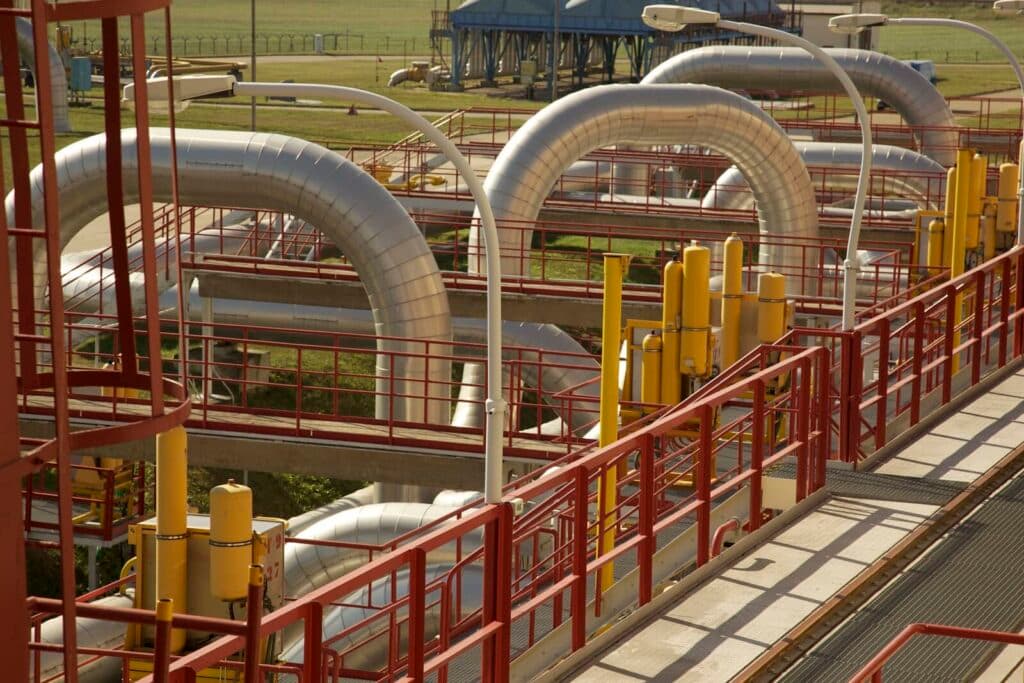
Norway has long been a key supplier of natural gas to Europe, and the importance of its deliveries has grown since Russian gas flows were disrupted. More gas is expected to flow from Norwegian fields this winter and throughout next year than this year. The reason is a lower volume of planned outages.
Although liquefied natural gas (LNG) supplies have become more important to Europe in recent years than ever before, gas flows through pipelines from Norway, North Africa and other regions remain an indispensable source for local markets. Norway is Europe’s largest natural gas producer and therefore also one of the EU’s most important gas suppliers.
While pipeline gas supplies offer relatively high stability, their volumes can be limited by both planned and unplanned maintenance. This applies not only to the pipelines themselves and other elements of gas infrastructure, but above all to production fields. According to Alfred Hansen, head of operations at Gassco, which operates Norway’s gas infrastructure, supplies should reach record levels this winter and remain there throughout 2025.
"Looking ahead to the coming 2024-2025 winter season, there are very few activities planned,"Alfred Hansen told Reuters.
According to him, operators of all production fields and other energy infrastructure in the Norwegian continental shelf area are committed to maintaining stable and strong gas supplies. Any major or prolonged planned—and especially unplanned—outages have a significant impact on gas prices on the European market.
"We are once again ready for the winter season, when record demand and supplies are expected," Hansen said.
In addition to the current winter, Hansen also sees a positive outlook for next summer, when less maintenance is scheduled than this year. According to Hansen, pipeline deliveries operated by Gassco remain strong this year.
By the end of October, a total of 97 billion cubic metres of gas had flowed from Norway to continental European countries and the United Kingdom, he said. Norway could still approach the record volumes of around 117 billion cubic metres seen in 2017 and 2022 this year.
Translation disclaimer
This article is a machine translation of the Czech original and has not yet been fully reviewed. In case of any doubt, please refer to the Czech version.
Sdílejte článek prostřednictvím:
You might also like
22 October 2026, 10:45