Preparations for LNG terminal on Germany’s Rügen continue; it could benefit Czechia

Berlin, 16 August (ČTK) – Preparations for a liquefied natural gas (LNG) terminal on the German Baltic island of Rügen are in full swing, despite opposition from some members of the public and environmental organisations. The authorities are already preparing permits for the construction of an approximately 50-kilometre subsea gas pipeline connecting the port of Mukran on Rügen with Lubmin on the mainland. Deutsche ReGas, which will operate the terminal on behalf of the German government, says the facility will help ensure energy security not only for Germany but also for its eastern neighbours, including Czechia. Tomáš Kafka, the Czech ambassador to Germany, visited Lubmin and Mukran on Tuesday.
„I was impressed by the progress of Deutsche ReGas’s project in Mukran. I hope it could help ensure gas supplies to Central Europe, including Czechia,“ Kafka said of his visit.
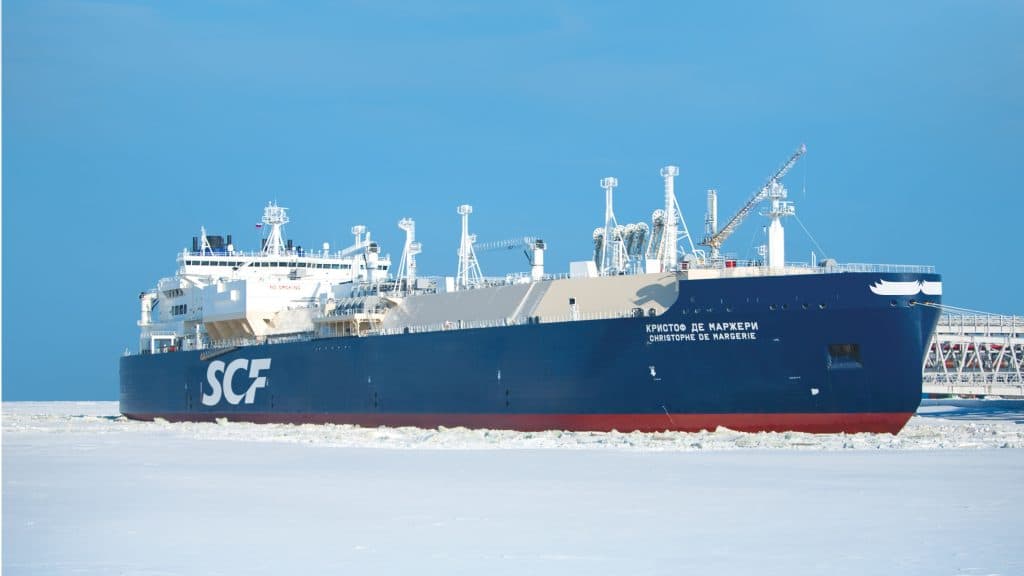
He toured not only the port of Mukran, where ReGas plans to operate two specialised LNG regasification vessels at the request of the German government, but also nearby Lubmin on the mainland. ReGas has already commissioned a floating LNG regasification unit in Lubmin. This terminal, however, is entirely privately owned, with no state involvement.
The Baltic terminals in Mukran and Lubmin offer infrastructural advantages for Czechia. The now-inactive German-Russian Nord Stream gas pipeline ends in Lubmin, and gas can be sent from this distribution hub into the OPAL and NEL pipelines. The OPAL pipeline carries gas to Saxony, from where the Gazela pipeline transports it to the Czech Republic. NEL connects Lubmin with Lower Saxony and the country’s main gas storage facility in Rehden.
ReGas also stresses that the Baltic terminals are important not only for Germany but also for its eastern neighbours. In a press statement on Kafka’s visit, company head Ingo Wagner said the ambassador’s trip was further evidence of the urgent need for an LNG terminal. At the beginning of August, ReGas said the offered LNG regasification capacity in Mukran had already been fully booked.
ReGas plans to bring the Mukran facility online during the coming winter. The company has said that LNG regasification will be provided by the specialist vessel Transgas Power, with an annual capacity of 7.5 billion cubic metres of natural gas. Together with the Neptune unit in Lubmin, the Baltic terminals will have an annual capacity of 13.5 billion cubic metres of natural gas.
The planned terminal on Rügen has drawn criticism not only from local residents but also from the German environmental organisation Deutsche Umwelthilfe (DUH). Opponents argue that the facility is unnecessary and threatens tourism and the natural environment.
Despite the criticism, preparations for the terminals are continuing. This week, the Stralsund Mining Authority published draft approvals for the construction of the first section of the subsea gas pipeline connecting Mukran and Lubmin, as well as for the connection point in Mukran. Under Germany’s LNG Acceleration Act, the draft approvals must be published before permits can be issued. German lawmakers added the Mukran terminal to the act in July.
Germany began building LNG terminals last year in response to Russia’s invasion of Ukraine. The terminals have enabled the country to end its dependence on Russian gas. The federal government is planning a total of five terminals with state involvement. Two facilities have so far entered service, in Wilhelmshaven in Lower Saxony and in Brunsbüttel in Schleswig-Holstein. Further terminals will be built in Stade and, again, in Wilhelmshaven. The fifth site is Mukran, mentioned above, with a connection to Lubmin.
Translation disclaimer
This article is a machine translation of the Czech original and has not yet been fully reviewed. In case of any doubt, please refer to the Czech version.




