23 October 2026, 14:38
Loading...
When will EU natural gas demand recover? The trend will differ from the financial crisis

Martin Voříšek
21 June 2020, 12:01
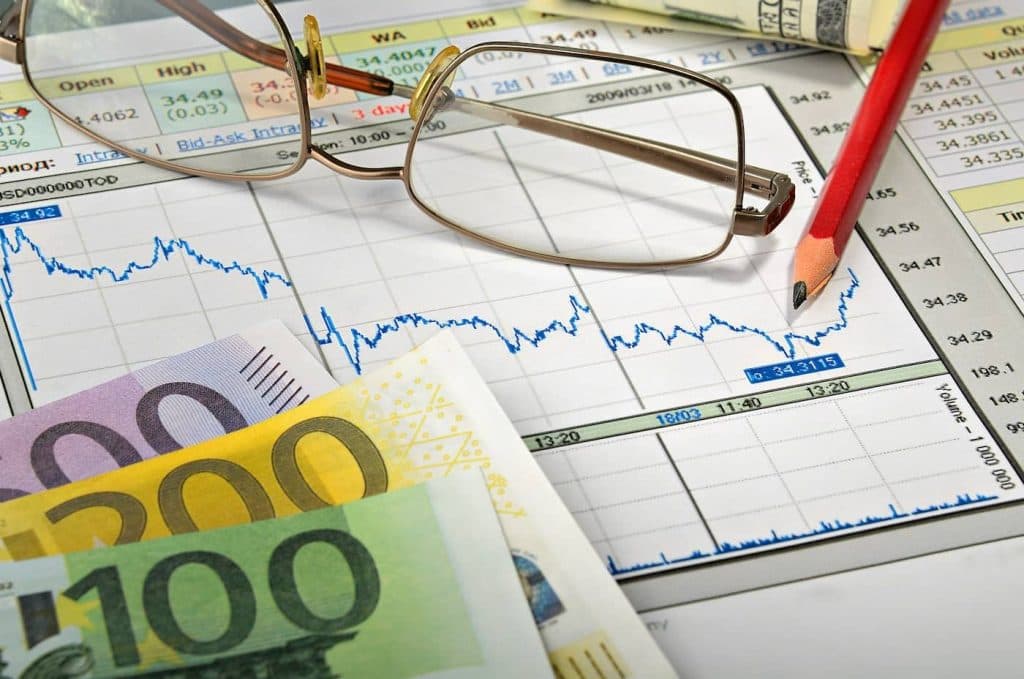
In the first five months of this year, natural gas consumption in Europe fell by 8%. The greatest impact is expected in the second quarter, when consumption may have dropped by as much as 14%. However, analysts at the Oxford Institute for Energy Studies (OIES) estimate that the impact over the full year will be smaller than after the 2009 financial crisis.
Like other commodities, natural gas is currently going through a period of heightened volatility, driven in part by fluctuations in its consumption. According to OIES, however, gas consumption may stabilise relatively quickly, with the fall in demand in the first half of the year potentially partly offset in the second half.
Overall, consumption is estimated to fall by around 7% year on year to 462 bn m3 (a reduction of around 35 bn m3). However, this is not an exceptionally low figure: in 2014 and 2015, for example, when the global economy was not undergoing a similar crisis, natural gas consumption was lower (433 and 450 bn m3 respectively).
According to OIES, the main reason for the expected recovery in gas consumption is clear: low wholesale market prices. For example, the price of a baseload contract for the fourth quarter is currently trading at around 10 EUR/MWh on the Prague exchange, compared with more than 17 EUR/MWh at the beginning of the year. Similarly, the contract for the third quarter of this year has also fallen sharply and is trading on Prague's PXE at around 5 EUR/MWh. Other major European trading hubs are also recording declines.
The price of natural gas logically affects its use in industry and power generation. Already now, given the price of allowances and electricity, and the related gross margins of coal- and gas-fired power plant operators, gas-fired power plants are being dispatched in preference to coal-fired plants.
Natural gas consumption in gas-fired power plants is significant. For example, the gas-fired power plant in Počerady accounted for around 5.5% of gas consumption in Czechia last year.
In the short term, the use of gas for electricity generation is also supported by the gradual retirement of coal-fired power plants. There are two reasons for retiring these assets: besides political targets, there are also emissions limits for large combustion plants under the European Industrial Emissions Directive, also known as BAT – Best Available Techniques.
A final factor is higher electricity consumption, and consequently natural gas use in the power sector, during the summer, which is expected to increase, especially in southern countries, due to greater use of air conditioning.
The recovery in consumption should differ from the financial crisis
A comparison with the period after the financial crisis is tempting, but the situation on the gas market is now incomparable. While gas consumption gradually declined until 2014 after the financial crisis as a result of high prices, except for 2010 due to an exceptionally cold winter, a similar scenario can hardly be expected.
The current market setup is unlikely to allow such a development. Natural gas prices and planned coal plant retirements are instead expected to support demand. How long gas consumption will be supported by electricity generation remains uncertain. However, if increased 2030 emissions targets of 50-55% are approved, the gradual phase-out may also affect gas-fired power plants.
Translation disclaimer
This article is a machine translation of the Czech original and has not yet been fully reviewed. In case of any doubt, please refer to the Czech version.
Sdílejte článek prostřednictvím:
You might also like

23 October 2026, 11:01
23 October 2026, 06:34