American tech companies bet on nuclear power, need zero-emissions energy for data centers

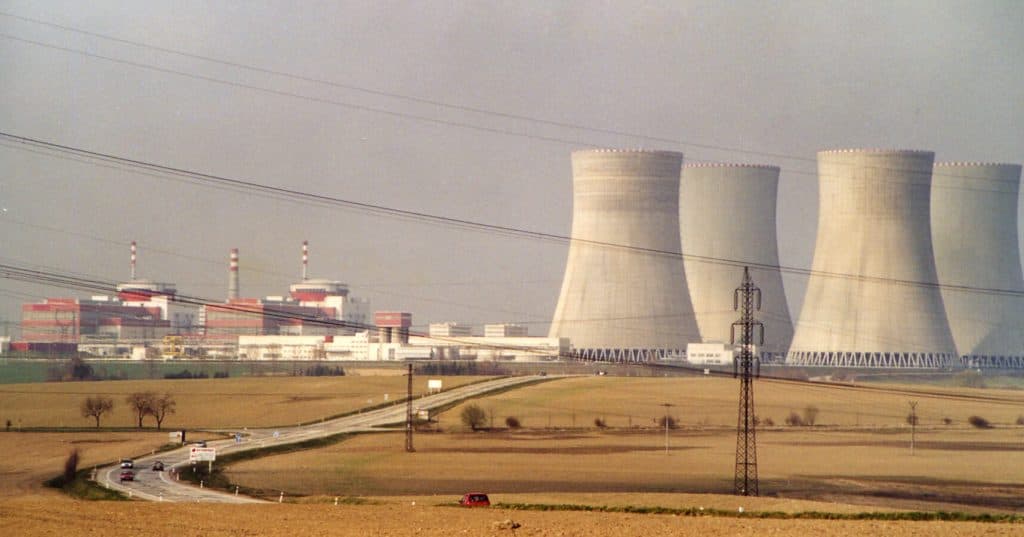
This year's boom in plans to build data centers in the US has triggered enormous demand for new sources of electricity, primarily zero-emissions sources. This trend could have a positive impact on investment in nuclear power and innovations such as small modular reactors. One example is a memorandum of cooperation signed between technology company Amazon and energy company Dominion Energy in Virginia. Recent reports suggest that other tech giants are looking in the same direction.
The recent boom in plans to build data centers in the United States has created demand for new energy sources capable of reliably supplying electricity. One place where this trend is fully apparent is the southeastern state of Virginia.
Today, Virginia is home to nearly half of all data centers in the US and is likely to retain its dominant position in the future. Amazon subsidiary AWS alone plans to invest $35 billion by 2040 in establishing several data center campuses.
Local energy companies are naturally seeking ways to respond, looking for suitable options to ensure enough electricity to meet these ambitious plans. At the same time, they are trying to find solutions that meet the requirements of technology companies, which primarily demand zero-emissions energy.
US energy company Dominion Energy, which operates mainly in Virginia, has therefore begun talks with technology companies about developing small modular reactors.
The discussions have already led to concrete steps, with the company signing an agreement with AWS to explore the possibility of developing a small modular nuclear reactor near Dominion's existing North Anna nuclear power plant.
"It's very encouraging to see large users, including technology companies, express a willingness to invest and collaborate on bringing this exciting carbon-free technology to fruition,"Dominion CEO Robert Blue told investors at the company's third-quarter earnings meeting.
Google and Microsoft are on a similar track
Amazon is one of the first technology companies to commit to buying nuclear power on a large scale. Other tech giants have announced similar plans. Last month, for example, Google agreed to buy power from startup Kairos Power, a developer of small modular reactors. Microsoft, meanwhile, signed an agreement to purchase electricity from the Three Mile Island nuclear power plant.
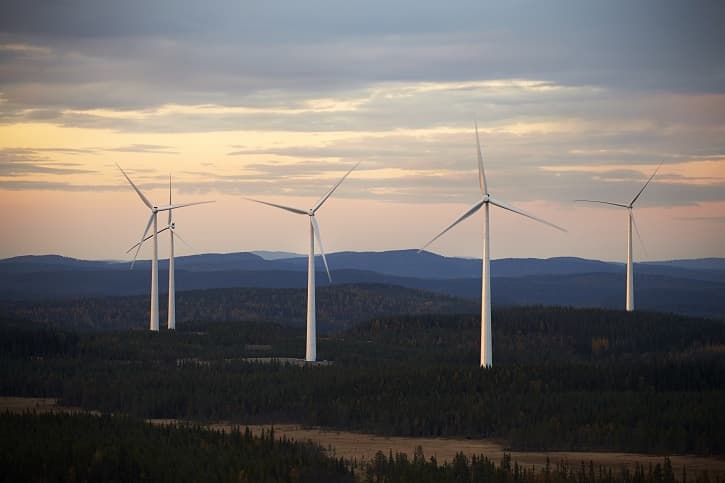
"We see a need for gigawatts of power in the coming years, and if there aren't enough wind and solar projects capable of meeting that demand, nuclear power is a great opportunity,"said Matthew Garman, CEO of AWS. "The technology is also really advancing toward SMRs, a technology that has the potential to be safe and capable of being produced at scale."
According to Dominion Energy, which has extensive experience supplying electricity to data centers, a typical data center requires around 30 megawatts of delivered capacity. This figure is also expected to rise. Bob Blue, CEO of Dominion Energy, said in a recent quarterly report that the company is now receiving individual requests for 60 to 90 megawatts or more. The company expects energy demand to increase by 85% over the next 15 years.
Nuclear power is now a significant part of the US energy mix, accounting for approximately 20% of the country's total electricity generation. The United States operates the world's largest fleet of nuclear reactors, with more than 90 in operation.
Virginia is one of the most pro-nuclear states in the country, with strong bipartisan support for next-generation nuclear initiatives. Despite nuclear power's significant role, however, the sector faces challenges such as the high cost of building new reactors, competition from cheap natural gas and the growing share of renewables.
In light of recent developments, support for innovation and research into advanced reactors such as small modular reactors (SMRs) could become a priority, as they may offer more flexible and safer options for future development.
Translation disclaimer
This article is a machine translation of the Czech original and has not yet been fully reviewed. In case of any doubt, please refer to the Czech version.