Belgium signs final agreement with Engie to extend operation of two nuclear units by 10 years

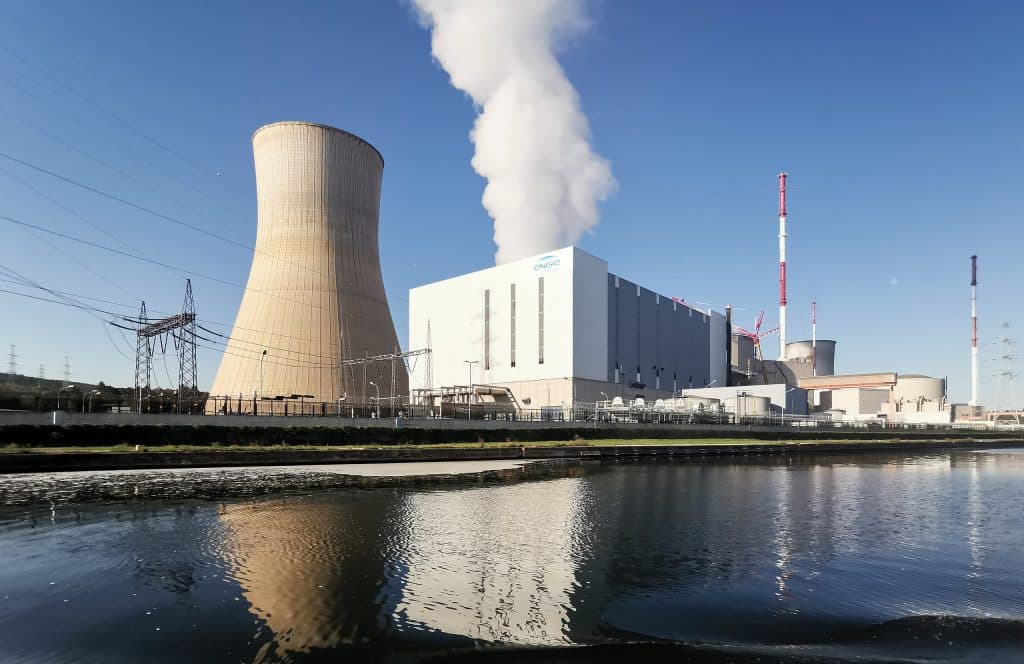
Belgium has formalized its agreement with French company Engie on the terms for extending the operation of the Tihange 3 and Doel 4 nuclear units. In addition to operating them for another 10 years after the necessary renovations, the agreement also sets out the costs associated with processing nuclear waste. Belgium originally wanted to phase out nuclear power in 2025, but given Europe’s energy situation, it wants to ensure it has sufficient generating capacity, especially during the winter periods between 2025 and 2030.
French company Engie announced that it signed a final agreement with representatives of the Belgian government on 13 December concerning the extended operation of the Tihange 3 and Doel 4 nuclear units. The agreement must now also be approved by the European Commission, to which the parties submitted it for consultation. The original operating life of the two units, commissioned in 1985, ends in two years; they are now expected to generate electricity for another 10 years.
The main points of the agreement are as follows:
- A commitment to invest EUR 1.6-2 billion (roughly CZK 40-50 billion) in long-term operation (LTO) renovations. The parties will also make every effort to bring the units back online in November 2025 while meeting all nuclear safety standards.
- Establishment of a legal structure for operating the nuclear units, with Belgium and Engie each holding an equal share. The electricity purchase price will be guaranteed through a Contract for Difference mechanism, based on the actual costs of renovating the facilities.
- Setting the costs associated with processing nuclear waste from Engie’s facilities in Belgium at EUR 15 billion (over CZK 365 billion), payable in two phases.
- Removal of restrictions on Electrabel’s non-European assets (Electrabel is an Engie subsidiary).
Operation of the two reactors, with a combined net installed capacity of 2080 MW, together with the dismantling of decommissioned units, will employ around 4,000 people. According to Engie, the lifetime extension agreement will require the recruitment of a further 200 employees in the coming months.
A U-turn back to nuclear
Belgium originally planned to end nuclear power generation at both of its power plants in 2025. However, Europe’s energy situation forced it to reconsider the 2003 law. Of the seven nuclear units built in the 1970s and 1980s, it has so far shut down two. The three oldest units (Tihange 1 and Doel 1 and 2) are to operate until 2025, covering the period when the remaining two units undergo renovations to enable another 10 years of operation.
“We are very pleased to announce the final signing of this agreement, which enables a balanced sharing of the risks associated with the extended operation of the two nuclear units. For the ENGIE Group, it removes uncertainties related to liability for nuclear waste. Our teams are working hard to implement LTO as quickly as possible in order to strengthen the security of electricity supply in Belgium,” said Catherine MacGregor, CEO of ENGIE.
Translation disclaimer
This article is a machine translation of the Czech original and has not yet been fully reviewed. In case of any doubt, please refer to the Czech version.




