23 October 2026, 14:38
Loading...
Brussels calls on Czechia to develop a radioactive waste management strategy

Jiří Puchnar
1 August 2017, 16:26
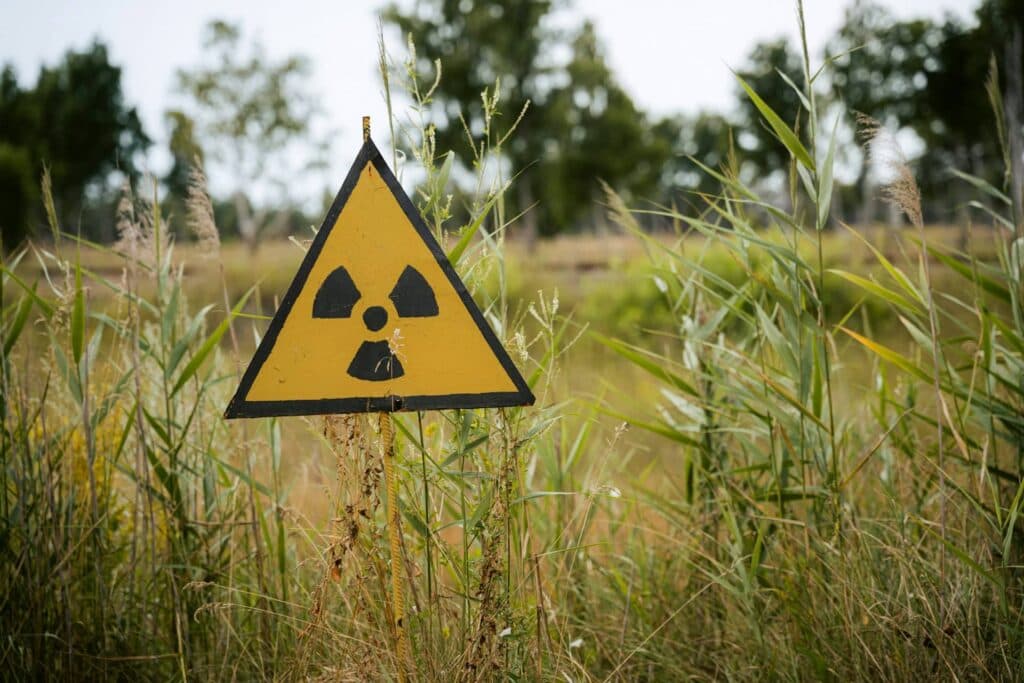
Czech measures to address the storage of spent nuclear materials are under scrutiny by the European Commission. Unless Czechia updates its strategy, it may face penalties for failing to meet its plans for managing radioactive waste from nuclear power plants and the civilian use of nuclear materials. The English-language service of Radio Prague (Czech Radio) reported the information.
The strategy setting out how the Czech Republic intends to manage radioactive waste will have to be reviewed again and is likely to be supplemented, as the European Commission has called on the country to resubmit its plans for managing nuclear waste. Last week, the Czech Republic was one of five countries which, according to the Commission, had failed to meet their targets for a long-term solution to radioactive waste management, the original deadline for which was August 2015. The other offenders, rather curiously according to the Commission, include non-nuclear Austria, Italy, Portugal and Croatia.
The Czech Republic currently has around 10 000 tonnes of highly radioactive nuclear waste, mostly consisting of spent nuclear fuel from the domestic Dukovany and Temelín power plants. However, some waste is also produced by other civilian activities (healthcare, food processing, non-destructive testing, etc.).
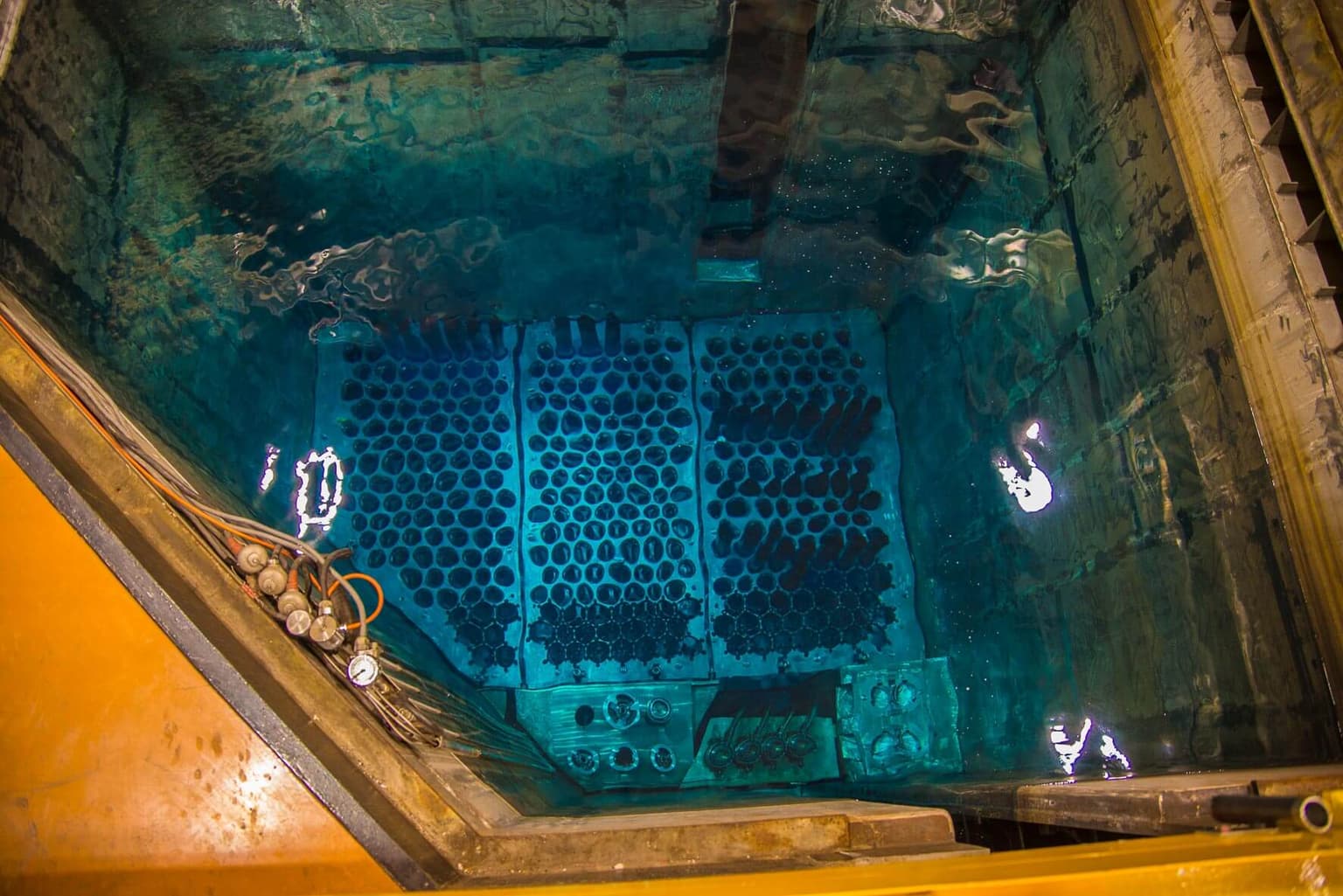
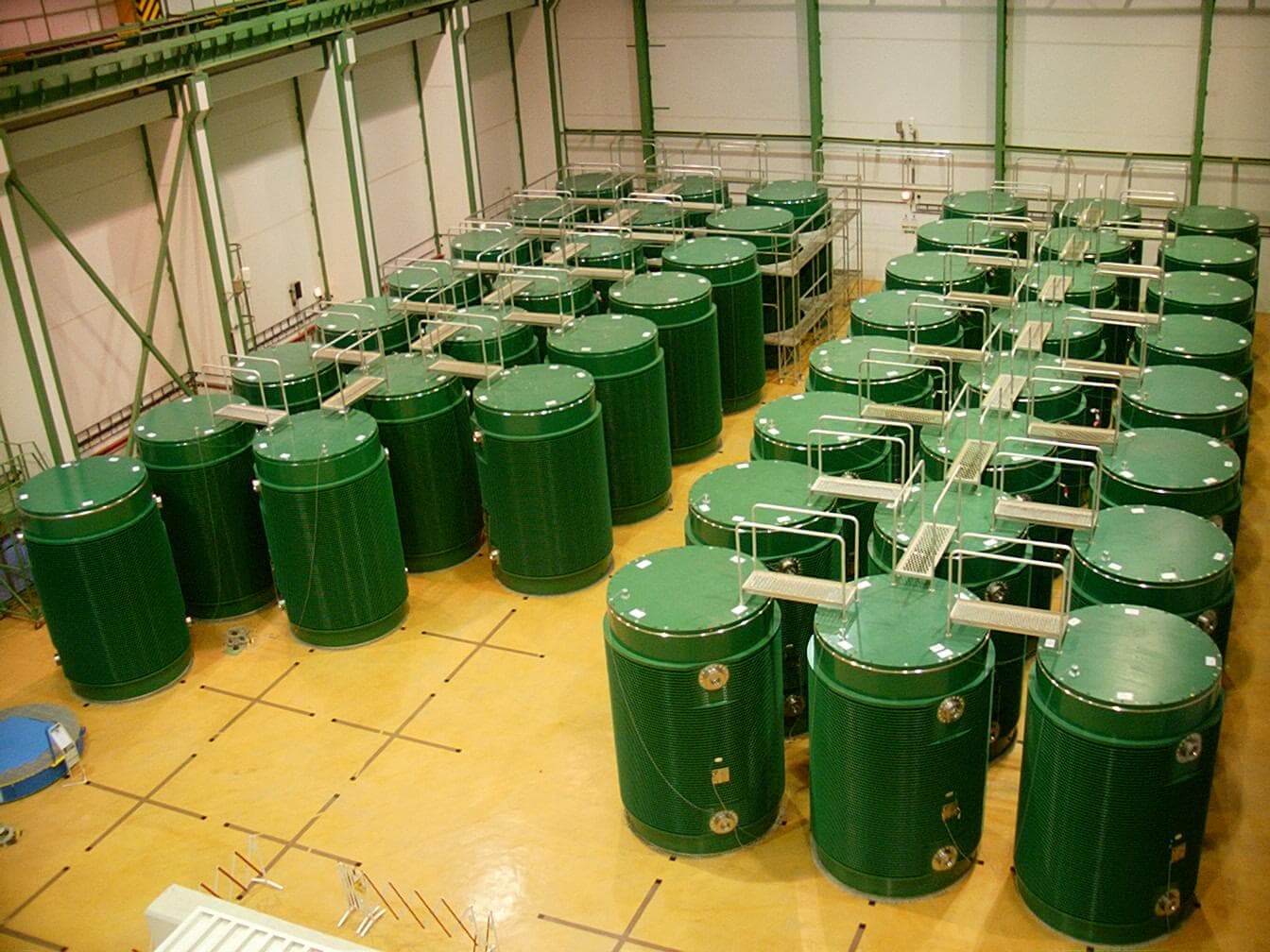
After the end of an operating cycle, nuclear power plant fuel is removed from the reactor and placed in a storage pool for several years, where the fuel assemblies are cooled through forced water circulation. After being removed from these pools, the fuel is placed in special Castor containers, which are stored in interim spent fuel storage facilities. These facilities are located at both of the country's nuclear power plants. However, both the Castor containers and the interim storage facilities have a limited service life, which is shorter than the period after which their contents will be safe.
Outdated strategy
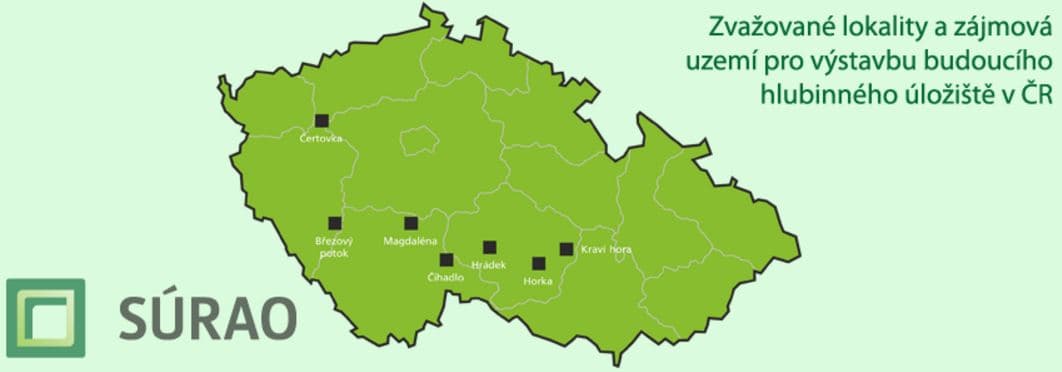
The Czech Republic drew up its strategy for dealing with highly radioactive nuclear waste as early as 2002. The key element of this strategy was identifying a site for the construction of a deep nuclear waste repository. The preliminary search selected seven sites whose geological conditions were very similar to those at the Dukovany NPP site and therefore geologically suitable for a repository.
However, in most of these locations, plans to build a deep repository triggered a wave of protests, causing the current government to withdraw from construction efforts. The government also pledged not to build a deep repository without the support of local residents. Nevertheless, the deadline for the final decision on the construction site remains set for 2025, construction is due to begin in 2050, and the repository is expected to be completed in 2065. However, suspending the selection of a suitable site is pushing back the start of construction.
Environmental groups are also looking at other alternatives
The original 2002 strategy should now be updated, at least by adding a process for negotiations with local residents. Environmental groups, on the one hand, argue that the existing approach, focused mainly on finding a site for a deep repository, should be reworked, and that the country should use its time to review its options in light of technological progress, which may offer other ways of managing radioactive waste in the near future.
The timetable is already unrealistic
Edvard Sequens, energy expert at the Calla Association for the Preservation of the Environment, said in an interview with Czech Radio:
“There is currently strong pressure to select two suitable sites within a very short period, specifically by 2020, which is quite unrealistic. The final location of the repository should be decided by 2025. At present, nothing indicates that the plans will be delayed. In reality, however, an underground laboratory is expected to be operational by 2035 to examine geological conditions, and only if the results are acceptable can construction of the deep repository proceed.”
Translation disclaimer
This article is a machine translation of the Czech original and has not yet been fully reviewed. In case of any doubt, please refer to the Czech version.
Sdílejte článek prostřednictvím:
You might also like
23 October 2026, 11:01
23 October 2026, 06:34