9 October 2026, 13:47
Loading...
European Commission probes state aid for French nuclear power plants. Is the plan too generous?
Veronika Jurcová
2 April 2026, 13:09
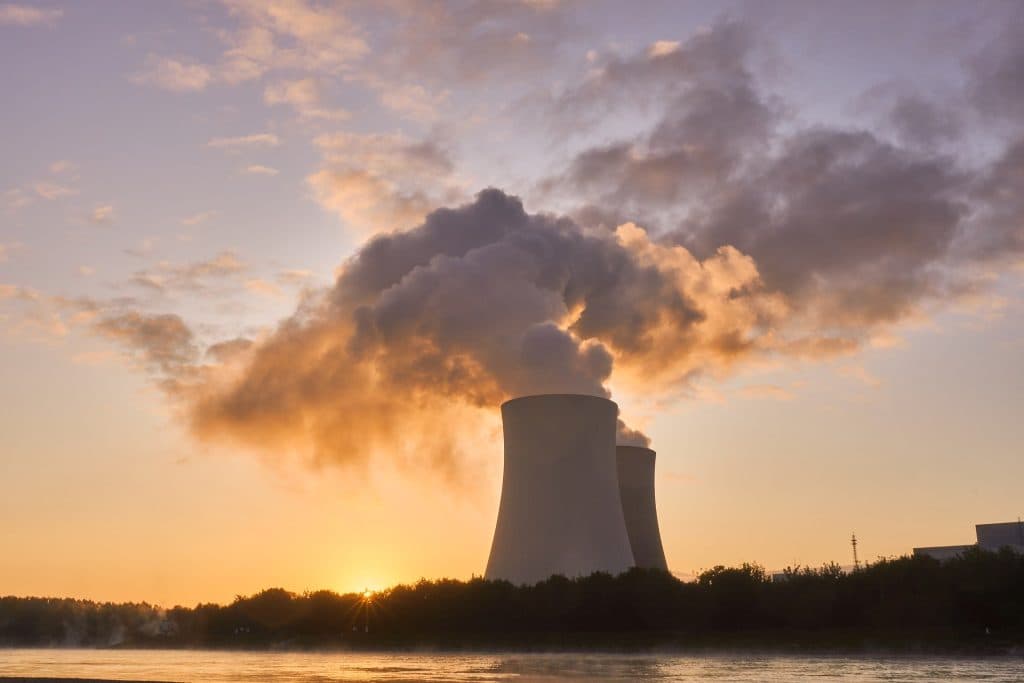
The European Commission has launched an in-depth investigation into French state aid for the construction of six new nuclear reactors. The project, worth more than 70 billion euros, is intended to strengthen energy security and cut emissions, but Brussels will examine its impact on competition and whether the public support is proportionate, the Commission says in its press release.
The European Commission has opened a formal investigation into one of Europe’s most ambitious nuclear projects in decades. With state support, France plans to build six new nuclear reactors with a combined capacity of around 10 gigawatts, equivalent to roughly one-sixth of the country’s current installed nuclear capacity. The total cost is estimated at around 72 to 73 billion euros.
The new units are to be built in pairs at the sites of existing power plants in Penly, Gravelines and Bugey. The first is expected to come online in 2038, with the entire programme due to be completed by the mid-2040s. Each reactor is expected to have a lifespan of around 60 years.
The project is central to Paris’s strategy to renew its ageing nuclear fleet while securing a stable source of zero-emissions electricity. France has long championed nuclear power as a pillar of its energy system and is also seeking greater recognition for it at EU level.
The Commission’s review
In its preliminary assessment, the Commission acknowledged that the project could be “necessary” to ensure security of supply and decarbonise the energy sector. At the same time, it warned that state support on this scale must comply with strict EU rules and must not unduly distort competition.
The French plan rests on three main pillars of support:
- The first is a preferential loan at a lower interest rate, intended to cover around 60 percent of construction costs.
- The second is a so-called contract for difference, signed for 40 years, which is intended to guarantee the investor stable revenues regardless of how electricity prices evolve.
- The third element is a risk-sharing mechanism intended to protect the project against unforeseen events such as natural disasters or changes in legislation.
It is the combination of these instruments that is raising questions in Brussels. The Commission will examine whether the support is proportionate and limited to the minimum necessary. It is also concerned about the potential strengthening of state-owned EDF’s dominant market position and whether the conditions could distort competition.
“The Commission has doubts as to whether the proposed package strikes the right balance between reducing risks and maintaining incentives for efficient behaviour,” the institution said in a statement.
Launching an in-depth investigation is a standard step in cases of this kind and does not mean that a negative verdict has been reached in advance. France and other interested parties will now have the opportunity to defend the project and, if necessary, adjust its parameters.
Paris expects the European Commission to approve the plan later this year, which would allow a final investment decision to be made. The outcome of the proceedings will therefore be an important signal not only for France but also for other countries seeking to finance new nuclear projects with state support.
Translation disclaimer
This article is a machine translation of the Czech original and has not yet been fully reviewed. In case of any doubt, please refer to the Czech version.
Sdílejte článek prostřednictvím:
You might also like
9 October 2026, 06:22