
23 October 2026, 11:01
Loading...
First deliveries of new Westinghouse nuclear fuel arrive in Czechia

oEnergetice.cz, ČTK
23 May 2025, 10:12
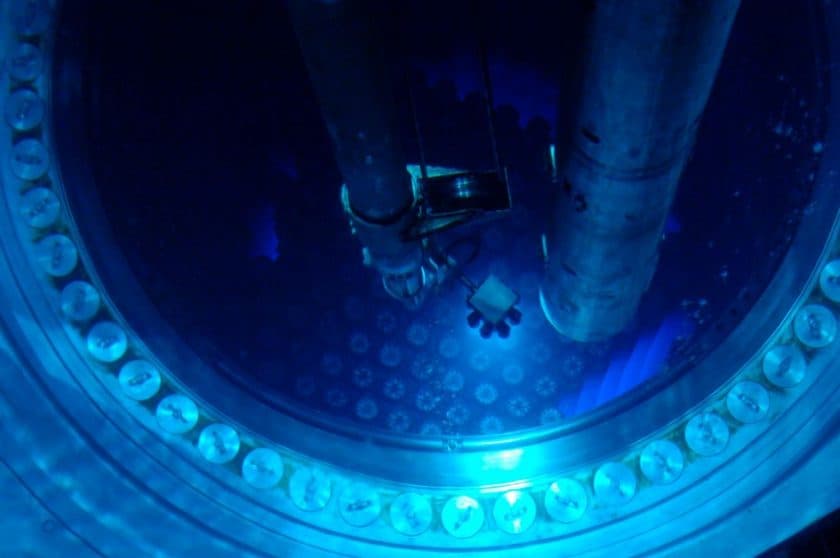
The first deliveries of new nuclear fuel from Westinghouse have arrived in the Czech Republic. The American company delivered three dozen fuel assemblies to the Temelín power plant, where they will be loaded into the reactor next year. Westinghouse is expected to deliver dozens more fuel assemblies for the Dukovany power plant later this year. French company Framatome will also begin supplying nuclear fuel to the Czech Republic next year. ČEZ CEO Daniel Beneš announced the news today on LinkedIn. Westinghouse and Framatome have replaced the previous fuel supplier, Russia’s TVEL.
Westinghouse has thus returned to Temelín with its fuel after 15 years, replacing the previous Russian supplier. “This is a step that significantly enhances the Czech Republic’s energy security. In addition to diversifying our nuclear fuel suppliers, we also maintain strategic reserves at both of our nuclear power plants,” Beneš said.
ČEZ began working to increase the number of fuel suppliers at the end of the last decade, launching a tender in 2018. In 2022, the company signed contracts with Westinghouse and Framatome to supply fuel assemblies for the Temelín power plant. In 2023, it then signed an agreement with Westinghouse for Dukovany as well, where the first deliveries are also due later this year. ČEZ is also in talks with Framatome about supplies for Dukovany.
Power plant specialists at Temelín are currently carrying out acceptance checks on the new fuel assemblies. “One of the first steps is to check the accelerometers. These special devices indicate whether improper handling occurred during transport,” explained Bohdan Zronek, ČEZ board member and director of its nuclear energy division.

Illustrative photo
In the next steps, power plant specialists verify the fuel’s weight, carry out visual inspections and check the documentation. The assemblies will then be placed in storage containers. ČEZ plans to load the new Westinghouse fuel into the reactor at Unit 1 in autumn next year. “Loading requires approval from the Czech State Office for Nuclear Safety. We are currently preparing the documents to submit an application,” Zronek added.
ČEZ noted that the new fuel must meet the strictest safety requirements. Its acceptance was therefore preceded by five years of analyses and tests. The assemblies from the new manufacturer meet the requirements for longer fuel cycles, which will now last 16 months at Dukovany and 18 months at Temelín. ČEZ expects this to raise average annual nuclear generation after 2030 from the current approximately 30 terawatt-hours (TWh) to 32 TWh.
Two nuclear units are currently operating at Temelín in South Bohemia, each with a capacity of approximately 1000 megawatts (MW). Since the start of this year, they have generated 6.7 TWh of electricity. Dukovany has four more nuclear units, each with a capacity of 510 MW.
Translation disclaimer
This article is a machine translation of the Czech original and has not yet been fully reviewed. In case of any doubt, please refer to the Czech version.
Sdílejte článek prostřednictvím:
You might also like


23 October 2026, 06:34

