First fuel replacement carried out at a Russian floating nuclear power plant

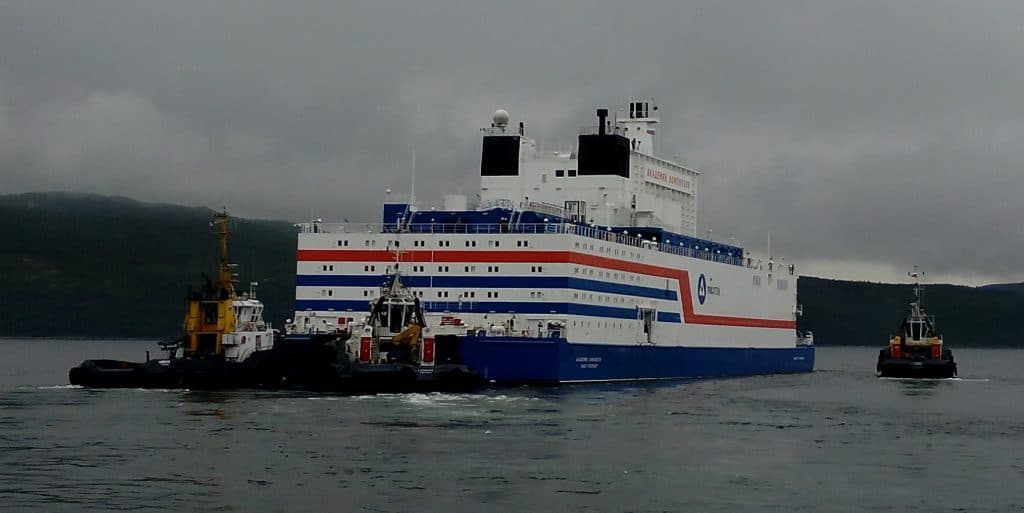
Since being commissioned, the Akademik Lomonosov floating nuclear power plant has reached another important milestone. After more than 3 years, workers have begun replacing the nuclear fuel in the first of its two 35 MW units. Unlike most large nuclear power plants, all the fuel assemblies in the reactor are replaced at once. The outage, which also includes maintenance and servicing work, will end before the end of the year.
Russian energy company Rosatom announced that it had begun refueling the first reactor at the Akademik Lomonosov, the world's first floating nuclear power plant. With its berth in the Russian town of Pevek on the Chukotka Peninsula, the plant is the world's northernmost nuclear power plant. The two KLT-40S units have a combined electrical capacity of 70 MW, and the plant can also supply up to 210 GJ of heat per hour.
“Fuel for every Russian nuclear icebreaker and floating nuclear power plant is manufactured by Rosatom subsidiary Elemash. After passing the required factory tests, the fuel assemblies for the first reactor were shipped by train from Elemash to Murmansk, the base of Russia's nuclear fleet. In Murmansk, the fresh nuclear fuel and large equipment were loaded and transported to Chukotka,” said Anton Markov, chief expert in the operation of non-series reactors at RosEnergoAtom.
The refueling process began at the end of July with the removal of the spent fuel assemblies and their storage in designated isolated rooms aboard the vessel, which is 144 meters long, 30 meters wide and has a displacement of 21 000 tonnes. Rosatom describes the Akademik Lomonosov as a pilot project for a future fleet of floating nuclear power plants.
Refueling after 3.5 years
Technicians are refueling the floating plant's reactors one at a time. The second unit therefore remains in operation and continues to generate electricity and heat, with no impact on consumers.
“Radiation levels in the area did not change during this work and remained consistent with the natural background level typical of the city of Pevek,” said chief physicist Maxim Shamambaev.
All 121 fuel assemblies in the reactor are replaced at once, unlike in large Russian VVER units, where roughly one third of the fuel is replaced at a time. The nuclear unit can therefore operate for 3-3,5 years without an outage, compared with standard outages every 1-1,5 years.
The refueling process also includes maintenance and servicing work on the plant's equipment. Rosatom expects the work to be completed this year and will begin the same process at the floating plant's second unit next year.
Translation disclaimer
This article is a machine translation of the Czech original and has not yet been fully reviewed. In case of any doubt, please refer to the Czech version.




