6 November 2026, 14:13
Loading...
France plans tax on nuclear power, using proceeds to protect consumers

Eduard Majling
16 November 2023, 06:23
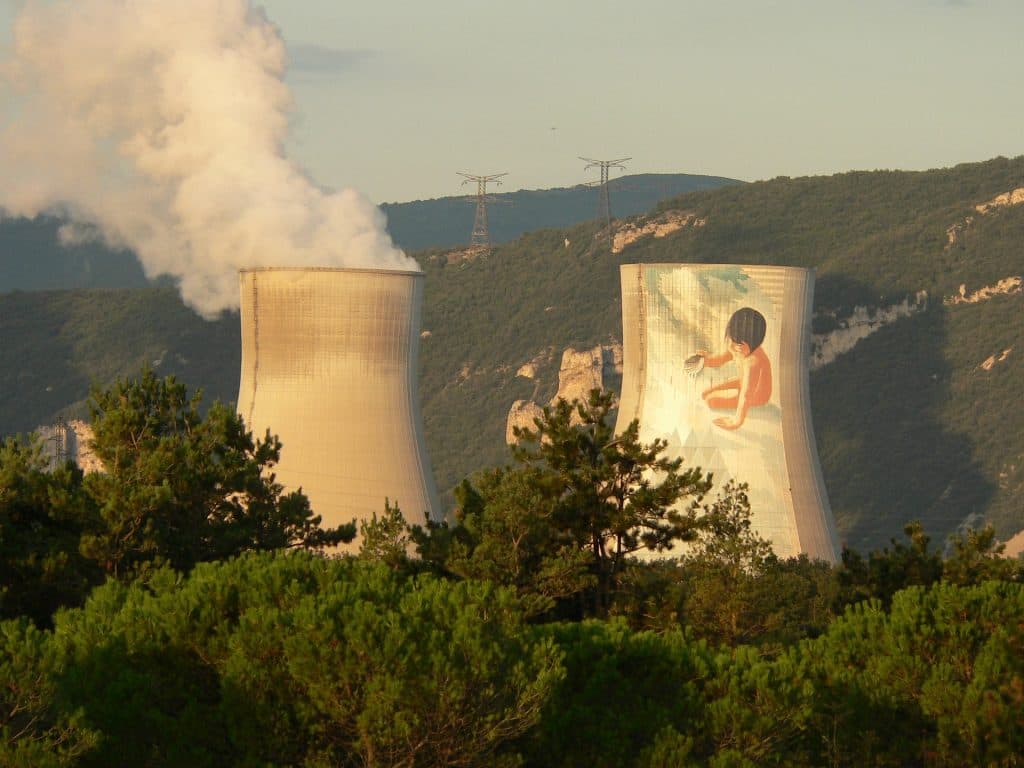
The French government has reached an agreement with EDF, which is currently wholly state-owned, on the future arrangements for regulating sales of electricity from nuclear power plants. The new system is intended both to ensure the company remains profitable so it can make future investments and to protect households and businesses from extremely high electricity prices. The new system is due to take effect in 2026. It is not yet clear whether it will also require approval from the European Commission.
After months of negotiations, the management of state-owned French utility EDF and the French government have reached an agreement. While EDF, according to Reuters, sought to maximise its revenues to secure funding for future investments, the French government pushed to keep electricity prices for households and businesses in the country as low as possible.
"This agreement was necessary to ensure the competitiveness of our industry, visibility and price stability for our households, and the development of EDF," French Finance Minister Bruno Le Maire said, according to Reuters.
The result is a compromise agreement intended to ensure that EDF receives sufficiently high prices for electricity sold from its nuclear power plants. It will also tax excess profits if wholesale electricity prices rise above a certain threshold. The new regulations will replace the current Arenh system, which will remain in force until the end of 2025. Under the Arenh system, EDF must sell part of its output, typically up to 100 TWh, to competitors at a regulated price of 42 EUR/MWh.
"We are not in the Soviet Union. EDF must be able to make a profit and raise the money it needs for future investments," Le Maire added, noting that EDF's full nationalisation this year does not mean the company can operate at a loss.
According to the Financial Times, the aim is to keep the average selling price of electricity from French nuclear power at around 70 EUR/MWh—above EDF's estimated production costs—for 15 years. Specifically, additional revenues would be taxed at 50% if electricity prices exceed around 78 EUR/MWh. Above 110 EUR/MWh, additional revenues would be taxed at a rate of 90%.
"The inflation shock of the past two years has shown us how vital (French nuclear energy) has been for social cohesion, the survival of businesses and attracting foreign investors to France," Le Maire said, according to the Financial Times.
European Commission notification may not be necessary
It is not yet clear whether the new regulatory system will require approval from the European Commission. A Commission spokesperson made no specific comment after the agreement was announced, according to Reuters.
"It is for the Member State to assess whether a specific measure involves state aid, and if so, it must be notified to the Commission," the spokesperson said.
French government officials told the Financial Times that key aspects of the agreement would not require notification. They said this was because it involves taxation of a targeted sector, which is permitted. The subsequent redistribution of the funds raised is, they said, covered by recent reforms to the European electricity market.
Translation disclaimer
This article is a machine translation of the Czech original and has not yet been fully reviewed. In case of any doubt, please refer to the Czech version.
Sdílejte článek prostřednictvím:
You might also like

6 November 2026, 10:25