
23 October 2026, 14:38
Loading...
Fukushima: First step towards removing molten fuel successfully completed

Jiří Puchnar
14 November 2024, 11:04
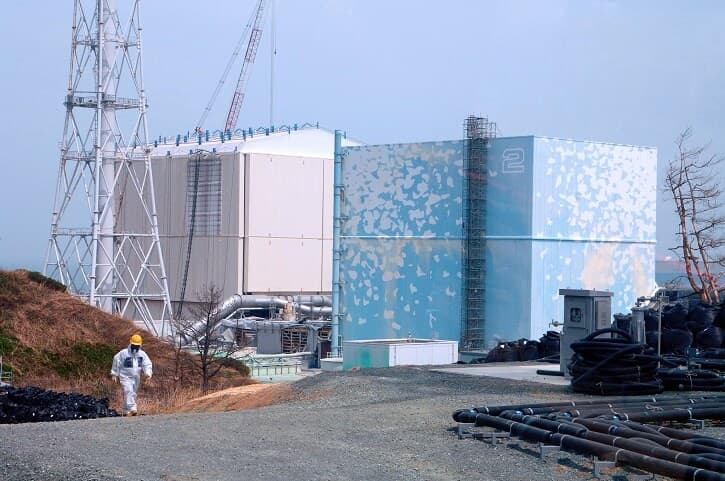
Tokyo Electric Power Company (TEPCO) has successfully completed a trial retrieval of damaged fuel from Unit 2 of the Fukushima Daiichi nuclear power plant. However, the process did not go entirely smoothly.
On 19 August, TEPCO announced that it planned to retrieve several grams of molten fuel debris from the Unit 2 reactor. The operation was expected to take approximately two weeks. A telescopic device equipped with a gripping tool capable of reaching up to 22 metres through an opening in the primary containment vessel was to be used to retrieve the sample.
During the final inspection, however, workers found that the first section of the telescopic tube did not match the planned configuration, making it impossible to properly connect the remaining parts of the equipment. This problem delayed the entire operation. On 17 September, while preparing for another attempt, workers discovered that the cameras at the end of the telescopic device were not working properly. Replacing them caused a further delay.

Retrieval of a molten fuel sample from the Fukushima nuclear power plant. Source: TEPCO
Successful fuel sample retrieval
On 30 October, TEPCO announced that it had successfully grasped a sample of fuel debris using the gripping tool. On 6 November, it was confirmed that the radiation dose rate was below 24 mSv/h (at a distance of 20 cm), meeting the criteria for continuing the retrieval of the debris. The sample was then placed in a transport container. On Thursday, 7 November, the sample was placed in a special DPTE container (Double Porte pour Transfert Etanche), officially completing the retrieval of the damaged fuel sample.

Special container for transporting the retrieved sample of damaged fuel from the Fukushima nuclear power plant. Source: TEPCO
The company plans to transport the sample away from the nuclear power plant site for detailed analysis at specialised laboratories. The results are expected to help prepare for the large-scale removal of molten fuel debris.
Fukushima Daiichi fuel debris removal project
In Fukushima Daiichi Units 1 to 3, the fuel and the metal cladding that formed the outer covering of the fuel rods melted. After cooling, the fuel solidified again, forming what is known as fuel debris. An estimated 880 tonnes of this debris are present in Units 1 to 3. Preparations are under way to remove it and reduce the risks posed by this radioactive material.
The next planned step is to remove fuel debris from Unit 2 and gradually expand the scope of the process to the other damaged units. Removal of damaged fuel from Unit 3 is planned for after 2030. The retrieved debris will be stored in a new storage facility to be built within the power plant site.
Translation disclaimer
This article is a machine translation of the Czech original and has not yet been fully reviewed. In case of any doubt, please refer to the Czech version.
Sdílejte článek prostřednictvím:
You might also like


23 October 2026, 11:01


23 October 2026, 06:34