
23 October 2026, 14:38
Loading...
German nuclear unit Brunsbüttel receives permit to dismantle reactor vessel

Jiří Salavec
26 December 2025, 13:44
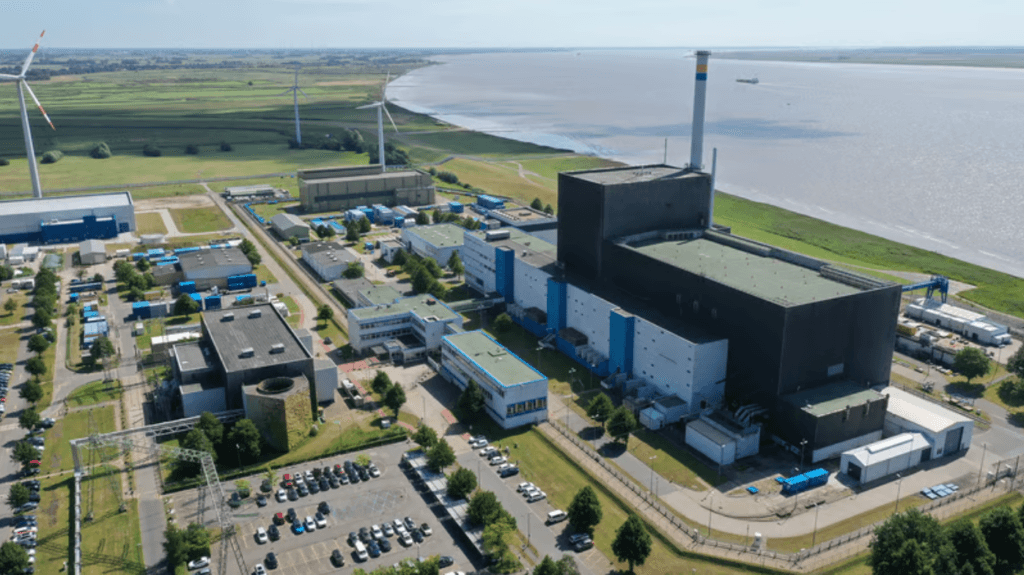
Germany’s Brunsbüttel nuclear power plant has reached an important milestone 18 years after it was shut down. It has received a permit from the Ministry of the Environment for the second phase of dismantling, which also includes dismantling the reactor pressure vessel. Dismantling of the 771 MW unit has been under way since 2018, and the operator expects it to continue until 2035. Over more than 30 years of operation, the plant generated around 130 TWh of electricity. A battery storage facility is due to be built at the site by 2028.
Energy company Vattenfall announced that it had received the second and final permit to dismantle the nuclear unit at the Brunsbüttel power plant in Germany. The boiling water reactor unit, located near Hamburg, ceased operation in 2007. Vattenfall received the first dismantling permit in 2018, when the unit moved from the post-operational phase into decommissioning.
“With the second and also final dismantling permit, we are moving towards creating a ‘greenfield’ site at the former nuclear power plant. To ensure that this process continues to run smoothly, we will continue to rely on professionalism and transparency in our dealings with the relevant authorities and local stakeholders,” said Ingo Neuhaus, head of nuclear decommissioning at Vattenfall.
Germany began construction of the nuclear power plant with a single boiling water reactor (BWR) at Brunsbüttel in 1969. The plant began commercial operation in 1976 and supplied around 130 TWh of electricity to the grid over the following 31 years. Vattenfall plans to use the site for another energy technology: a large-scale battery storage facility. By 2028, Brunsbüttel is therefore expected to have a storage facility with a power capacity of 254 MW and a storage capacity of 700 MWh.
Dismantling work to continue for another 10 years
Vattenfall says that 99% of the radioactive material had left the plant by early 2018, after the fuel rods were removed. Of the remaining 1%, 90% was located in the reactor’s internal components, which have also been dismantled. In the second phase of dismantling, technicians will now proceed to dismantle the reactor pressure vessel itself and the reactor building.
“This second permit for the decommissioning of the Brunsbüttel nuclear power plant is an important milestone. Schleswig-Holstein has now issued all the permits required under nuclear law for the decommissioning and dismantling of the Krümmel and Brunsbüttel nuclear power plants. I would like to sincerely thank Vattenfall for its excellent cooperation,” said Tobias Goldschmidt,Minister of the Environment.
Vattenfall estimates that work on dismantling the plant will take another ten years. Afterwards, the site will still contain an interim nuclear fuel store and a new low- and intermediate-level radioactive waste store. Germany is currently dismantling all of its nuclear power plants, a process estimated to take around 15 years.
Translation disclaimer
This article is a machine translation of the Czech original and has not yet been fully reviewed. In case of any doubt, please refer to the Czech version.
Sdílejte článek prostřednictvím:
You might also like


23 October 2026, 11:01


23 October 2026, 06:34