
31 October 2026, 12:55
Loading...
Hungary wants to extend the life of its Paks nuclear power plant by another 20 years

Jiří Salavec
11 December 2023, 07:59
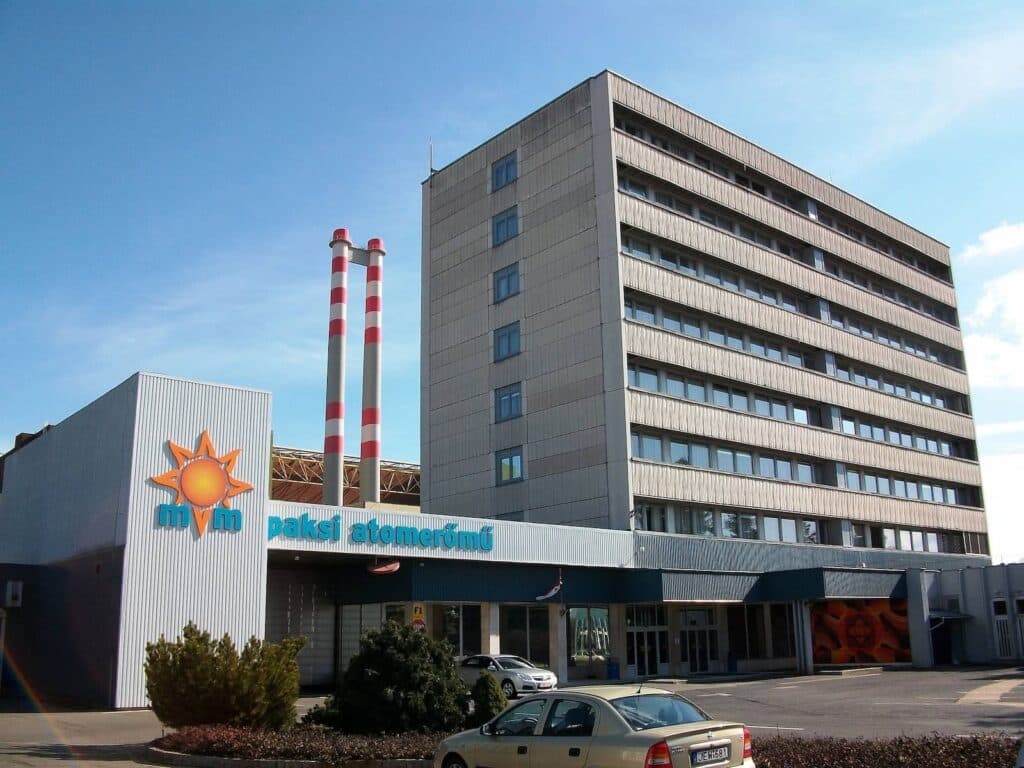
Hungary has taken the first step toward extending the operating life of its nuclear units at Paks to 70 years. The plant operator has notified the European Union of its intention and estimates that the entire process will take around 10 years. The original design life of the current VVER-440 units, built in the 1980s, was 30 years.
Hungarian state-owned energy company MVM announced that it had informed the European Union of its intention to extend the operating life of its nuclear units at Paks by another 20 years. MVM expects the entire process, which would allow Paks to generate electricity beyond 2050, to take around 10 years.
“As part of the process of extending the operating life, we inspect and evaluate every part of our equipment and systems. We replace them where necessary, all in accordance with international practice and under strict regulatory oversight. It is only through the utmost commitment to safety and good stewardship that the Paks nuclear power plant is fully capable of serving Hungary for decades to come,” said Péter János Horváth, CEO of operator MVM Paksi.
The existing four units are Russian VVER-440 reactors, which began generating electricity between 1982 and 1987. They currently account for around 50% of the country's energy mix. Their original design life was 30 years. In 2005, however, the plant received a permit extending their operating life by 20 years, allowing them to generate electricity until 2032 to 2037.
Extending the operating life involves around 250 projects, and MVM aims to have a detailed schedule for them ready by 2028. The company also said that, in view of the energy situation, it would keep a three-year supply of nuclear fuel on site starting next year.
Expanding nuclear capacity
In addition to its current plan to extend the operating life of the Paks plant, Hungary has also launched the Paks II project, which will comprise two VVER-1200 units. If the existing units remain in operation, the new units, with a total installed capacity of 2,400 MW, will more than double Hungary's nuclear capacity. According to the plan, the first Paks II unit is expected to begin generating electricity in 2032. Nuclear power can therefore make a significant contribution to achieving the country's carbon neutrality target by 2050.
“This is no longer the same plant that began operating four decades ago. That is thanks to continuous development, refurbishments and safety-enhancing measures. Last but not least, thanks to a responsible and dedicated team of professionals with exceptional knowledge and experience, the plant is now a generation more advanced than it was when it began operating,” Horváth added.
Translation disclaimer
This article is a machine translation of the Czech original and has not yet been fully reviewed. In case of any doubt, please refer to the Czech version.
Sdílejte článek prostřednictvím:
You might also like

31 October 2026, 08:21
30 October 2026, 20:16
30 October 2026, 12:33