
23 October 2026, 14:38
Loading...
IAEA raises nuclear power growth forecasts

Jiří Puchnar
21 September 2024, 08:45
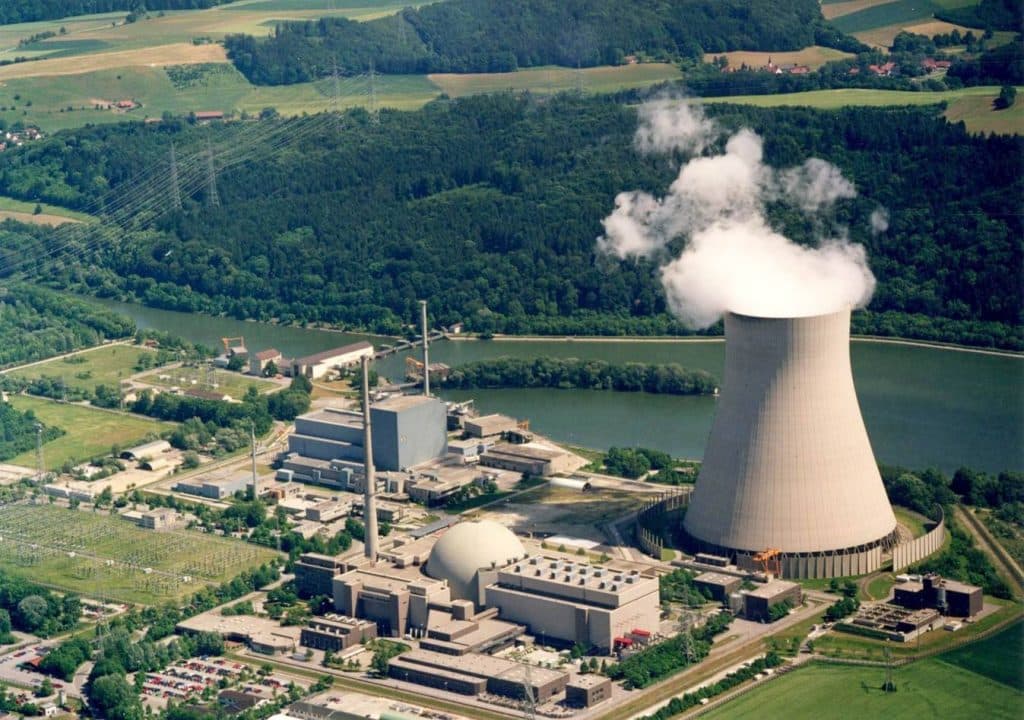
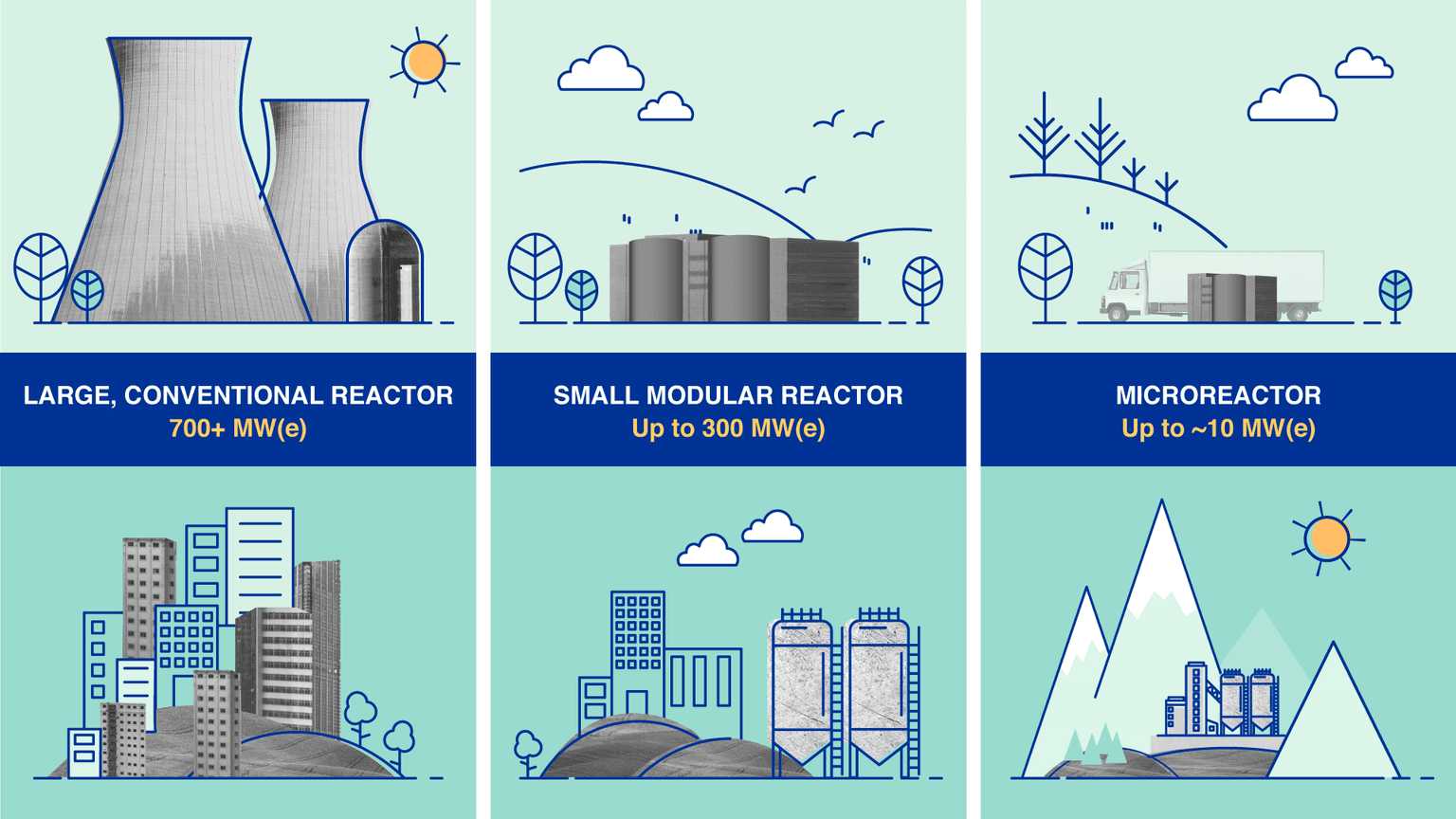
The International Atomic Energy Agency (IAEA) has raised its forecast for growth in installed nuclear power capacity. Under the high-growth scenario, nuclear power capacity is expected to increase by up to 2.5 times, from 372 GWe in 2023 to 950 GWe by 2050. This growth is supported in particular by the expected increase in the share of small modular reactors (SMRs).
The publication Energy, Electricity and Nuclear Power Estimates for the Period up to 2050 was presented at the opening of an IAEA conference in Vienna. The document, which breaks down global statistics by region, also includes a low-growth scenario, which forecasts a 40% increase in installed nuclear power capacity by 2050, to 514 GWe.
Source: International Atomic Energy Agency
This is the fourth consecutive year in which growth forecasts have been raised. The high-growth scenario is 7% higher than in last year's report, while the low-growth scenario has increased by 11%.
Growing share of SMRs
Both scenarios assume a growing share of small modular reactors (SMRs). Under the low-growth scenario, SMRs will account for 6% of newly installed capacity, while under the high-growth scenario, they are expected to account for 24% (almost 140 GWe) of new capacity. Total electricity generation from all sources is expected to more than double by 2050.
The estimates are based on all operating reactors, potential licence extensions, planned shutdowns and credible construction projects for the coming decades. The low-growth scenario assumes that current market and technology trends will continue without significant legislative changes. By contrast, the high-growth scenario includes national policies aimed at addressing climate change, while remaining technically feasible.
Conditions for achieving high growth
Henri Paillere, head of forecasting and economic studies at the IAEA, said that supportive national policies, financing, investment in power grids, supply-chain standardisation, cooperation among national regulators and global harmonisation—particularly in SMR development—are essential to achieving or exceeding the high-growth scenario.
The report also emphasises that the value of nuclear energy in terms of reliability, energy security and low emissions should be recognised. However, uncertainty remains about future growth in electricity demand, particularly in connection with digitalisation and the electrification of transport.
According to the report, nuclear energy was the world's second-largest source of low-emissions electricity in 2023, accounting for 9.3% of global electricity generation. The largest low-emissions source was hydropower, with a 15% share, followed by wind power at 8% and solar power at 5%.

IAEA projections of installed nuclear power capacity. The forecast for nuclear capacity growth by region shows the largest increase in Central and East Asia.
New countries and technologies
Paillere also said that nuclear power plants are currently operated by 31 countries. Another 30 countries are at various stages of preparing to introduce nuclear power. These include Turkey, Bangladesh and Egypt, which are already in advanced stages of construction.
Attitudes towards nuclear energy have become more positive over the past four years, driven by concerns about energy security and affordability, as well as the need for clean energy to combat climate change. New technologies, such as SMRs, are contributing to increased interest in nuclear energy.
Paillere also stressed that long-term operation and uprating existing power plants are key factors in the future growth of nuclear energy. Under the high-growth scenario, an average of 25 GWe of new capacity would need to be added each year, compared with just 5.7 GWe per year over the past five years.
On progress in nuclear waste storage, Paillere cited the successful development of a deep geological repository in Finland, which could serve as a model for other countries.
Translation disclaimer
This article is a machine translation of the Czech original and has not yet been fully reviewed. In case of any doubt, please refer to the Czech version.
Sdílejte článek prostřednictvím:
You might also like


23 October 2026, 11:01


23 October 2026, 06:34