3 November 2026, 10:36
Loading...
Indonesian activists sue Japan over discharge of treated radioactive water

oEnergetice.cz, ČTK
23 February 2024, 11:11
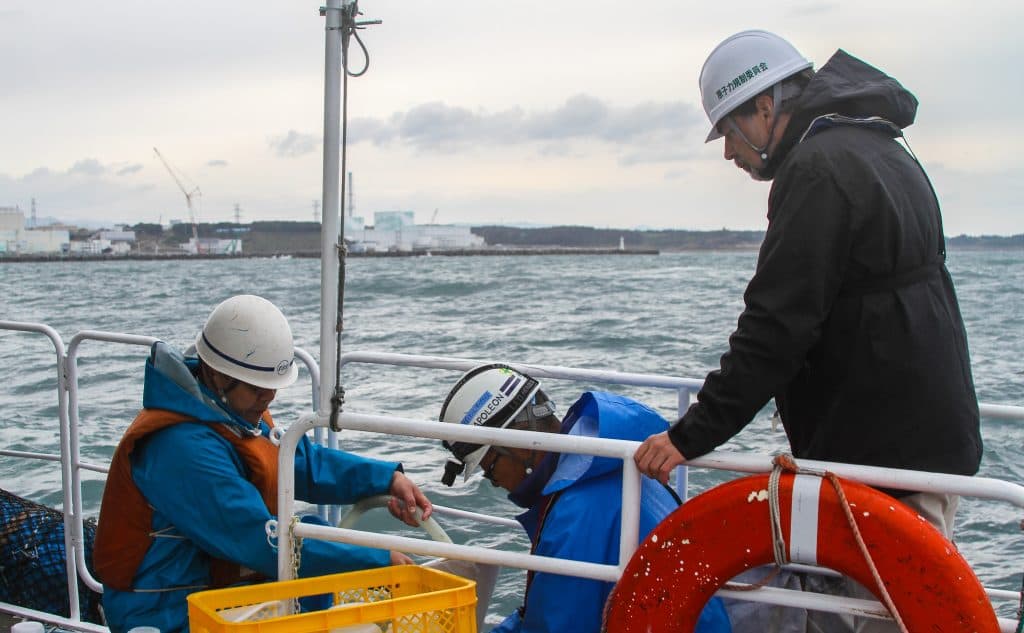
A group of Indonesian environmental and human rights activists filed a lawsuit against Japan on Thursday, demanding that it stop discharging treated and diluted radioactive water from the damaged Fukushima nuclear power plant into the Pacific Ocean. Japanese news agency Kyodo reported the lawsuit, noting that the discharges began last summer.
Marthin Hadiwinata, a member of Indonesian environmental group Ekomarin and one of the plaintiffs, said that discharging wastewater from the stricken nuclear power plant „will have a direct impact on the Indonesian ecosystem“. He argued that seafood contaminated by the water poses a danger to people who consume it. After filing the lawsuit with the district court in Jakarta, the activists said in a statement that they had decided to turn to an Indonesian court after the Japanese government failed to respond to complaints they had previously submitted through the Japanese Embassy in Jakarta.
The group of environmental activists is also seeking a total of 1 trillion rupiah (1.5 billion crowns) in compensation from Japan for polluting Indonesia’s biosphere. The court said it had yet to decide on the date of the first hearing.
Last month, the International Atomic Energy Agency (IAEA) said in its first full report since water discharges began in August last year that Japan’s release of filtered and diluted radioactive water into the sea complies with international safety standards. The Japanese government and plant operator TEPCO say that disposing of the wastewater is a crucial step towards decommissioning the Fukushima plant, which was severely damaged by an earthquake and tsunami in 2011.
A total of 1.3 million tonnes of radioactive water is due to be discharged from the plant over 30 years. Most hazardous material is removed from the water beforehand, except for tritium, an isotope of hydrogen. Experts say it is harmful only at higher concentrations, which are essentially not expected in Fukushima water because it is further diluted with seawater.
Fishermen and neighbouring countries, particularly China, have previously protested against the discharges, which began last August. China has banned imports of seafood from Japan in response.
Translation disclaimer
This article is a machine translation of the Czech original and has not yet been fully reviewed. In case of any doubt, please refer to the Czech version.
Sdílejte článek prostřednictvím:
You might also like

3 November 2026, 06:14
2 November 2026, 14:47
2 November 2026, 10:52