Japan's government is once again eyeing nuclear power. What does the public think?
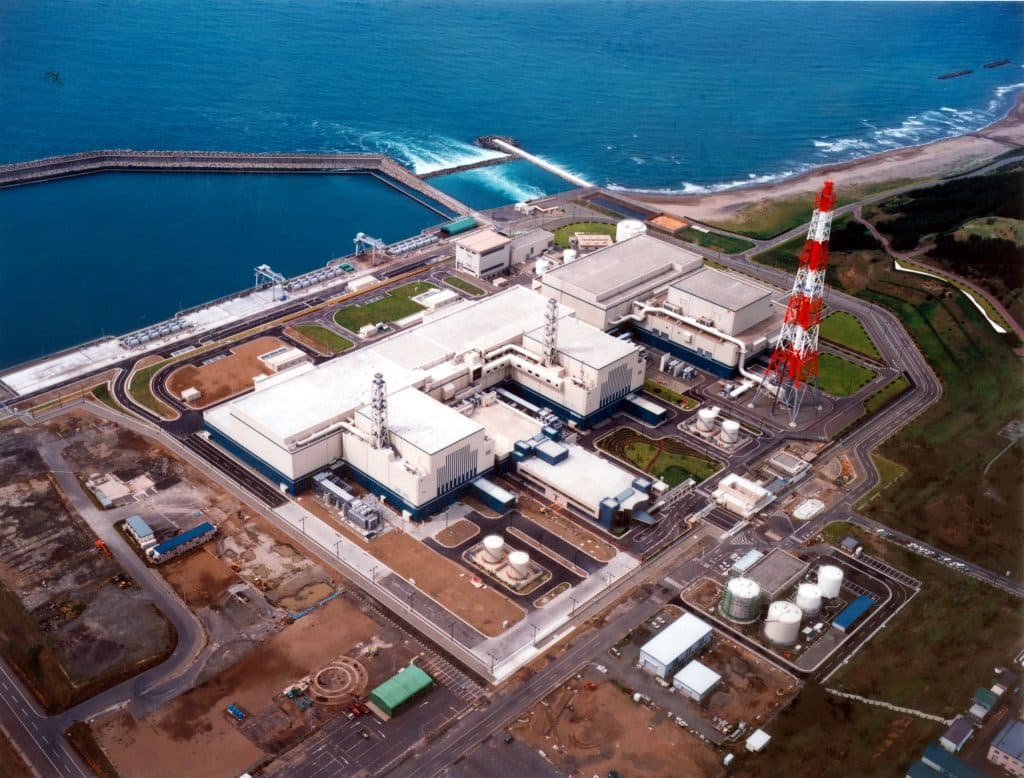
Fourteen years after the Fukushima disaster, Japan is once again considering a broader use of nuclear energy. Kansai Electric Power has announced that it will resume exploratory work in the Mihama area of Fukui Prefecture. This is the first concrete step by a Japanese company towards building a completely new reactor since the Fukushima disaster in 2011.
The company says the project is key if Japan is to achieve its three major goals: energy security, economic growth and lower greenhouse gas emissions. It also cautioned, however, that geological surveys will take years and that the final decision will depend on both political and economic conditions. Kansai Electric is Japan’s largest nuclear power operator and currently operates seven reactors.
The company’s president, Nozomu Mori, told the Financial Times: “In a country poor in natural resources like Japan, we have to consider how to secure a stable energy supply, especially with the current growth of new industries.”
Public opinion is sceptical of nuclear power, but politicians support it
Japanese public opinion is, however, sceptical of nuclear energy. In a study published last year, Japanese people were much more sceptical of both new and existing nuclear power plants than people in Britain and the United States. The results were consistent across age groups and genders. Only around 25% of Japanese people would support increasing nuclear capacity. By way of comparison, a 2023 survey found that 41% of Czechs agreed with increasing the share of nuclear energy in the energy mix.
Despite this, the Japanese government’s position has gradually shifted, with the change accelerating after Russia’s invasion of Ukraine in 2022. Following the Fukushima accident, 54 reactors were gradually shut down, but 14 of them have since been brought back into operation. Older reactors at currently operating power plants will also need to be replaced. Under the basic energy plan, which the government updated in February this year, nuclear energy is expected to account for 20% of Japan’s energy mix by 2040, matching its share before 2011.
Although Japan was expected to see energy demand decline because of its shrinking population, current forecasts factor in demand from energy-intensive data centres and semiconductor factories, which are likely to offset that decline. Electricity demand could even rise further.
Translation disclaimer
This article is a machine translation of the Czech original and has not yet been fully reviewed. In case of any doubt, please refer to the Czech version.




