
8 November 2026, 20:02
Loading...
Japan's Sendai nuclear units 1 and 2 approved for 60 years of operation

Jiří Salavec
6 November 2023, 07:41
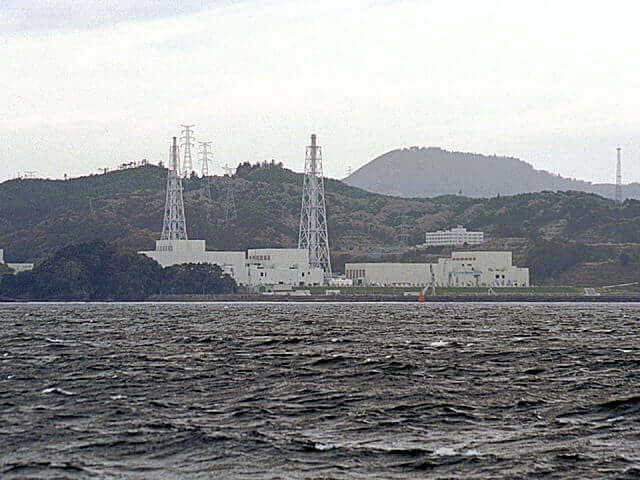
Two units at Japan’s Sendai nuclear power plant have received regulatory approval to extend their operating lives from 40 to 60 years. The two 890 MW PWR units have been in operation since 1984. After the Fukushima nuclear accident, the Sendai plant remained offline for four years before its first unit was restarted as the first in the country.
Japan’s Kyushu Electric Power Company announced that it had received approval from Japan’s nuclear regulator to operate its Sendai plant for a further 20 years. The two-unit plant, with PWR reactors and a total installed capacity of 1780 MW, has been in operation since 1984 and 1985, respectively. It can now continue generating electricity until 2045.
“We have received approval to extend the operating life by a further 20 years and for the proposed changes to safety regulations for reactor facilities,” the company said in a press release.
Japanese regulations introduced in 2013 allow all nuclear reactors to operate for 40 years. A 20-year extension is possible only once, subject to strict safety requirements. The operator applied to extend the life of the Sendai plant last October, and the application underwent two reviews during the process.
“We will continue to actively provide information to the local community to ensure its peace of mind and confidence in our company,” the company said on its website.
The first nuclear power plant to restart
In August 2015, Sendai’s first unit marked the start of Japan’s return to nuclear power generation after the Fukushima plant accident in March 2011. Of Japan’s 17 nuclear power plants, six have so far returned to operation, with 12 reactors in operation.
Translation disclaimer
This article is a machine translation of the Czech original and has not yet been fully reviewed. In case of any doubt, please refer to the Czech version.
Sdílejte článek prostřednictvím:
You might also like

8 November 2026, 13:59

8 November 2026, 08:10

7 November 2026, 17:23