Major support for Sizewell C project: Britain to approve £5.5 billion subsidy

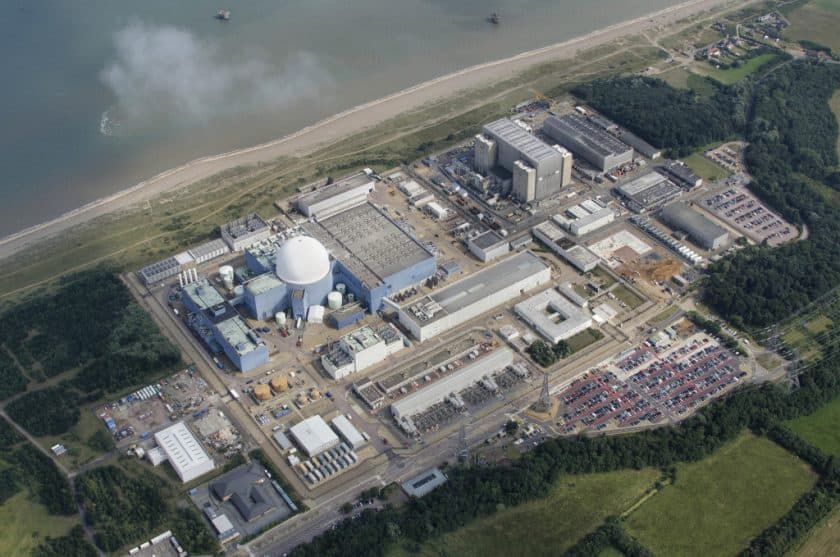
The Sizewell C nuclear power plant project in the UK will receive up to £5.5 billion (approximately CZK 163 billion) under a new subsidy announced by the British Department for Energy Security and Net Zero (DESNZ). The plan, known as the Sizewell C Development Expenditure (Devex) Scheme, is intended to ensure construction of the plant can continue until a final investment decision (FID), expected in 2025.
Objectives and mechanisms of state support
The Devex Scheme aims to provide flexibility in covering costs associated with delivering the project up to FID. This includes funding for infrastructure, essential on-site projects and other preparatory activities. According to DESNZ, funding will be subject to the relevant approvals, including the upcoming government spending review. The Devex Scheme is also separate from the existing SZC Investment Funding Scheme, which was established in November 2022 following the government’s first investment in the project.
DESNZ stressed that the subsidy will cover only costs incurred before FID, even if the investment decision is not made as scheduled. The allocation of subsidies will be subject to careful assessment of proportionality and the value delivered by the expenditure. The total Devex budget is set at £5.5 billion, currently the best estimate of the expenditure needed to reach FID, with a contingency for possible delays.
Support under Devex will be provided mainly through capital injections from the UK government. The scheme also allows for other forms of support, such as letters of credit, guarantees and possible indemnities, where these are proportionate and necessary.
DESNZ also said it would focus on direct financial intervention to ensure the Sizewell C project is delivered. Financial measures will be divided into two phases: pre-FID measures focused on funding development and initial construction work, followed by an FID scheme focused on the construction and operation of the plant.
When the project was first proposed, EDF said Sizewell C would be around 20% cheaper than Hinkley C.
Limited interest from private investors
Despite government support, the Sizewell C project continues to face difficulties attracting additional investment, particularly from the private sector. EDF, the project’s lead developer, has announced that it will reduce its stake to 19.99% after FID. The total project cost is estimated at around £20 billion (approximately CZK 594 billion).
Industry experts point to uncertainty over the share of project funding that private investors will provide and the terms on which they would be willing to participate. Some sources have even suggested that if sufficient private capital cannot be secured, the project could become fully publicly owned.
Criticism of project funding
The Sizewell C project faces not only funding challenges but also criticism over its contribution to meeting climate targets by 2030 and ensuring the UK’s energy security. Alison Downes, director of the Stop Sizewell C campaign, has raised concerns about unclear costs and timelines, which could jeopardise the government’s plan to achieve a decarbonised economy.
Steve Thomas, emeritus professor of energy policy at the University of Greenwich, has highlighted rising costs and difficulties in finding investors. In his view, this is a warning sign for public financing, particularly if private investors reject the project because of its high risks.
Sizewell C’s importance for the future of British energy
Despite the current challenges, Sizewell C remains a key part of the UK’s strategy to ensure energy security and achieve its Net Zero targets. Once completed, the plant is expected to provide a steady 3.2 GW of electricity, enough to meet the needs of up to six million homes. The plant is designed to operate for 60 years. Sizewell C’s reactor design will be similar to that of Hinkley Point C, which is currently under construction and is expected to begin operating in 2029.
The UK government remains committed to the Sizewell C project, which is expected to create thousands of new jobs and strengthen the country’s energy independence after 2030.
Translation disclaimer
This article is a machine translation of the Czech original and has not yet been fully reviewed. In case of any doubt, please refer to the Czech version.