24 September 2026, 11:23
Loading...
More than half of EU countries operate or are preparing nuclear capacity, says Czech ministry

oEnergetice.cz, ČTK
10 September 2025, 21:17
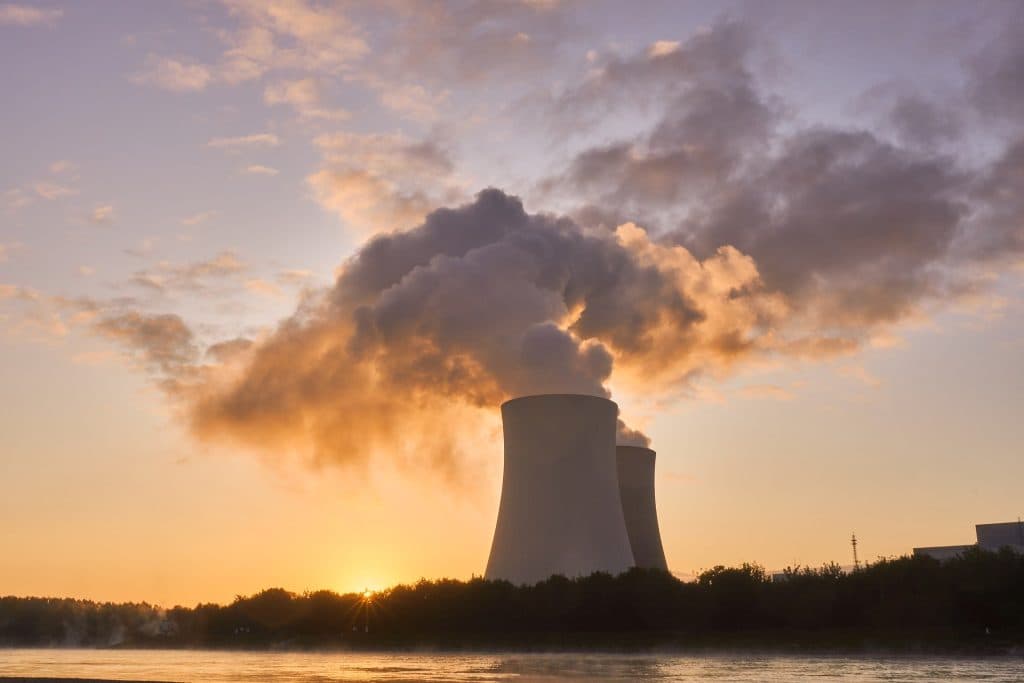
More than half of EU member states currently operate, plan or are preparing nuclear capacity. This was stated by Tomáš Ehler, director of the Energy and Nuclear Sources Section at the Czech Ministry of Industry and Trade, at the 15th Nuclear Days in Plzeň, focused on Europe’s energy security. According to European Commission estimates for installed capacity development, the range in 2050 is expected to be 75 to 150 gigawatts, including both lifetime extensions and the construction of new capacity, including small and medium-sized reactors, he said.
In Czechia, the two nuclear power plants at Dukovany and Temelín currently generate 42 percent of the country’s electricity production with six units, with installed capacity of almost 4.3 GW. Construction of new nuclear units is being prepared and is expected to be the country’s largest domestic contract. The cost of building two reactors at Dukovany exceeds CZK 400 billion at current prices. Construction will be carried out by South Korean company KHNP, which won last year’s tender. Geological surveys of the site are continuing.
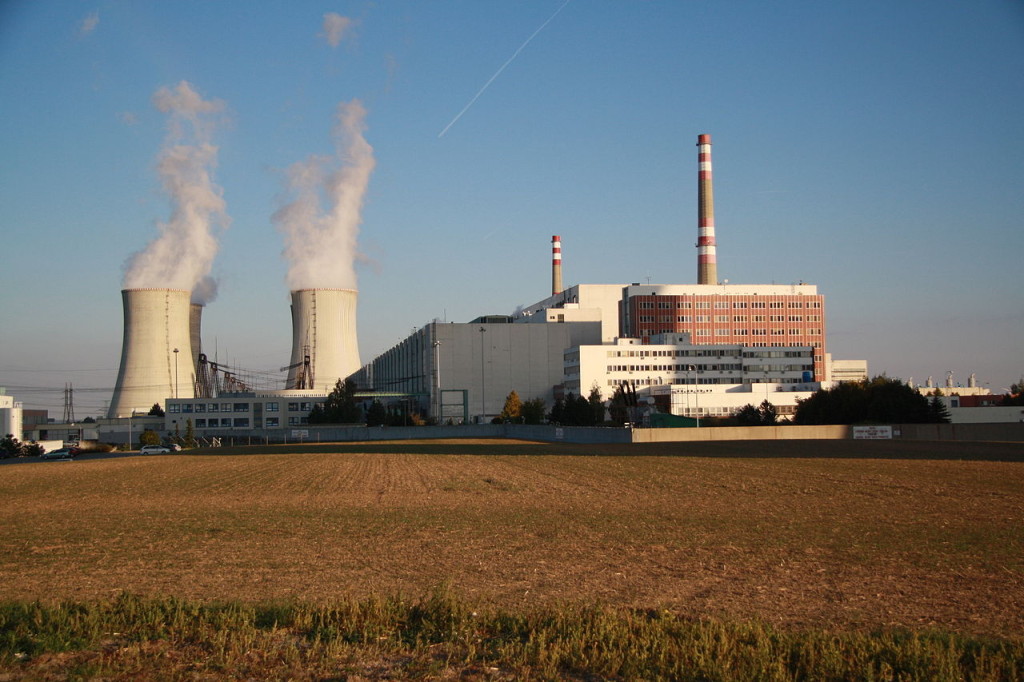
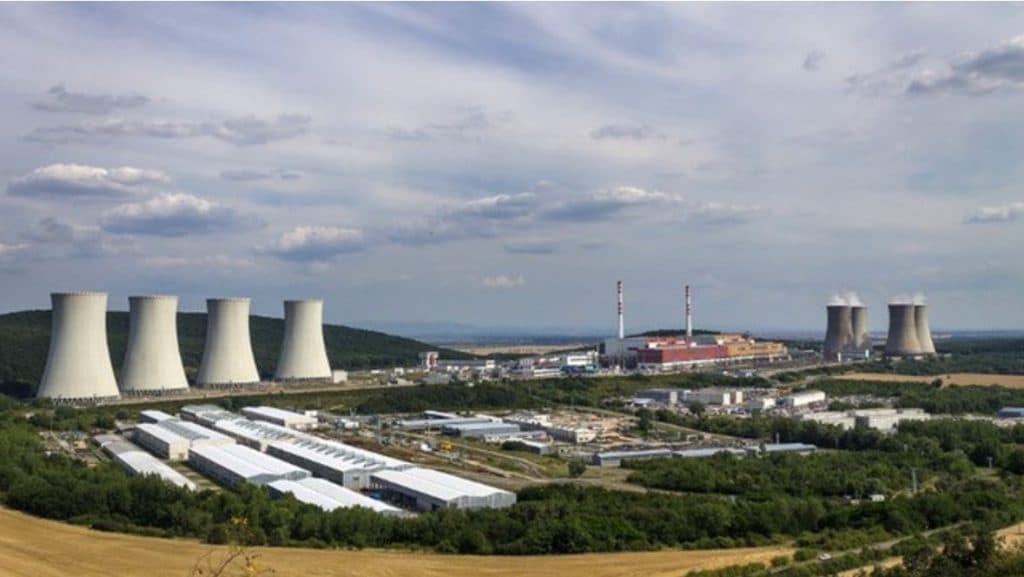
Dukovany power plant in the Třebíč region. Source: Jiří Sedláček / Creative Commons / CC BY-SA 4.0
Ehler said that following the signing of the contract, the state is already taking steps to ensure that public support is expanded from one unit to two, along with further activities to mitigate risks and secure the project. These mainly concern transport infrastructure, financing the related impacts on the region, supporting human resources, science and research, and securing residence permits and visas for Korean partners or, in the future, for workers from other countries. According to him, the KHNP contract also includes an option for further units at Temelín. “The government has tasked us with proposing a procedure for exercising these options. That is, to make use of the good contract, economies of scale and industrial involvement in order to ensure synergies,” he added.
According to Ehler, electricity prices are currently a problem for the EU’s global competitiveness. “Europe is also the most expensive continent when it comes to final prices for households,” he said. He therefore sees the benefits of nuclear power not only in security, independence and decarbonisation, but also in its potential to help stabilise and reduce electricity prices. “This aspect is often overlooked, but we should discuss the impact on the costs of operating and building power systems which, without nuclear power—that is, if they are based on non-dispatchable sources—will be significantly more expensive,” he said. According to Ehler, nuclear energy is not cheap, but it has advantages such as stability and dispatchability. A system with nuclear power is cheaper overall, he added.
Translation disclaimer
This article is a machine translation of the Czech original and has not yet been fully reviewed. In case of any doubt, please refer to the Czech version.
Sdílejte článek prostřednictvím:
You might also like
24 September 2026, 10:30
24 September 2026, 06:56
23 September 2026, 17:27