Pressure is mounting in Spain to delay the nuclear phase-out

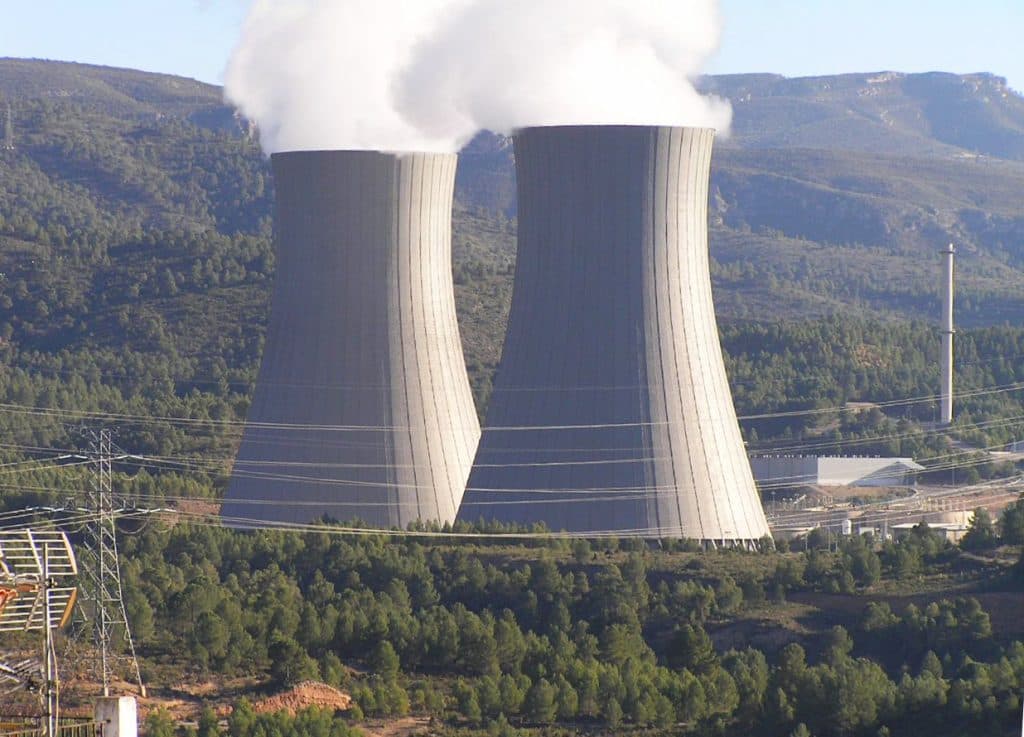
Spanish lawmakers are pressing the government to reconsider the gradual phase-out of electricity generation at nuclear power plants. Representatives of Spanish industry have also joined calls to review plans for a complete end to nuclear power in the country. Spain approved the gradual closure of its seven nuclear units in 2019. The first four units are due to stop generating by 2030, with the rest following five years later.
Pressure is mounting in Spain to review the gradual phase-out of electricity generation at nuclear power plants. The Congress of Deputies (the lower house of parliament) approved a motion setting out eight measures aimed at extending the use of nuclear energy in the country. Spain adopted a plan to phase out domestic nuclear power over 15 years in 2019.
"The operating lives of existing nuclear power plants should be extended in accordance with European regulations, in agreement with the Nuclear Safety Council and the plant owners, taking technical and economic criteria into account. The economic sustainability of nuclear facilities should be facilitated in a way that reflects the technology's essential role in the energy transition," the Spanish lawmakers' call states.
Other measures include supporting dialogue with the regions affected by the closure of nuclear units, adopting measures to use nuclear energy to achieve carbon neutrality, and scrapping the requirement to shut down the country's nuclear units by 2035.
Spain currently has seven nuclear units at five power plants, with total installed capacity of almost 7.4 GW (gross). Spanish nuclear power plants generate around 55-60 TWh of electricity annually, accounting for about 20% of the energy mix and around 40% of carbon-free generation.
Industry support
In addition to lawmakers, the Spanish energy industry has also called for extending the operating lives of nuclear power plants, in a manifesto. A total of 32 companies are calling, in five proposals, for a review of the country's energy strategy and the reopening of discussions on extending the plants' operating lives.
"The agreement (to phase out nuclear power) was reached in an industrial, geopolitical, social and economic context that differs significantly from today's reality. Our industry must not become less competitive as a result of a decision to shut down nuclear power plants without first ensuring a viable alternative that includes all CO2-free energy sources," the companies' representatives state in their manifesto.
All the nuclear units operating in Spain have been generating electricity since the 1980s, and their average age is 40 years. Countries around the world are increasingly extending the operating lives of nuclear units to 60-80 years, a point energy companies also make as they seek to delay their closure.
Translation disclaimer
This article is a machine translation of the Czech original and has not yet been fully reviewed. In case of any doubt, please refer to the Czech version.




