Situation at Japanese nuclear power plants stable after earthquake

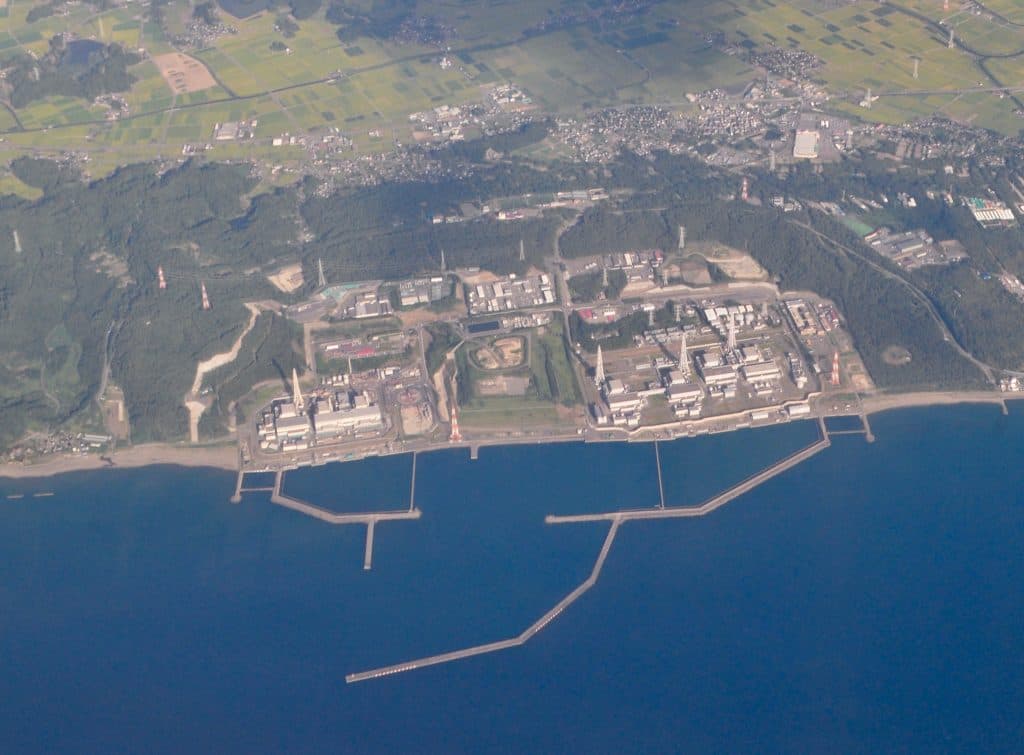
Japanese nuclear power plants reported only minor damage and no safety concerns after a 7.6-magnitude earthquake on the Richter scale struck Ishikawa Prefecture hardest on Monday. The International Atomic Energy Agency (IAEA) is in contact with Japan’s Nuclear Regulation Authority, which said that “there were no abnormalities at nuclear power plants in the affected area.” The agency will continue to monitor the situation.
Monday’s earthquake, the strongest since 2011, had claimed 62 lives by Wednesday morning (09:00 CET). Rescue workers are continuing to search for survivors in the rubble of collapsed homes. The Hokuriku Electric Power Company’s Shika nuclear power plant is located around 60 km from the earthquake’s epicentre. It has been shut down since the Fukushima Daiichi accident in 2011. Although further, weaker tremors are still being recorded, regular inspections at the plant have found no significant damage. The cooling and monitoring systems are operating without problems.
A leak was detected from a water tank at the plant that supplies the cooling pools, but the operator has assured the public that it has not affected the plant’s cooling function. Part of the four-metre steel seawall (breakwater) tilted by several centimetres, but the rest is “stable and there is no risk of collapse.” The earthquake inadvertently triggered the automatic fire suppression system for the transformer at Unit 2. No fire was detected.
Radiation levels around the Kashiwazaki-Kariwa nuclear power plant are normal
According to the Japan Times, some water spilled from a spent fuel pool at Tokyo Electric Power Company Holdings’ Kashiwazaki-Kariwa plant as a result of the earthquake. The pool’s cooling system was not affected. TEPCO said on Tuesday that “at the Kashiwazaki-Kariwa nuclear power plant, readings from radiation monitoring posts and monitoring stations at the plant boundary are within normal limits. No elevated activity has been recorded in the area around the plant.

Cooling systems for spent fuel pools are operating in all units at the plant. Inspections completed at 12:25 on 2 January confirmed that no abnormalities had occurred as a result of the earthquake.” The Kashiwazaki-Kariwa nuclear power plant also remains shut down following the Fukushima Daiichi accident.
Japanese nuclear power after the Fukushima Daiichi accident
Before the Fukushima Daiichi accident in March 2011, 54 power reactors were operating in Japan, supplying around 30% of the country’s electricity. After the accident, however, all operating reactors were shut down within 14 months while regulatory and safety requirements were updated.
So far, 12 of Japan’s 33 operable reactors have passed inspections confirming that they meet the new safety standards and have resumed operation. Another 17 reactors have applied for permission to restart. Restarting nuclear power plants is a priority for Japan.
Translation disclaimer
This article is a machine translation of the Czech original and has not yet been fully reviewed. In case of any doubt, please refer to the Czech version.




