
22 September 2026, 14:20
Loading...
Sizewell C: Lower environmental impact thanks to the use of reprocessed fuel
Pavel Suk
11 December 2021, 08:45
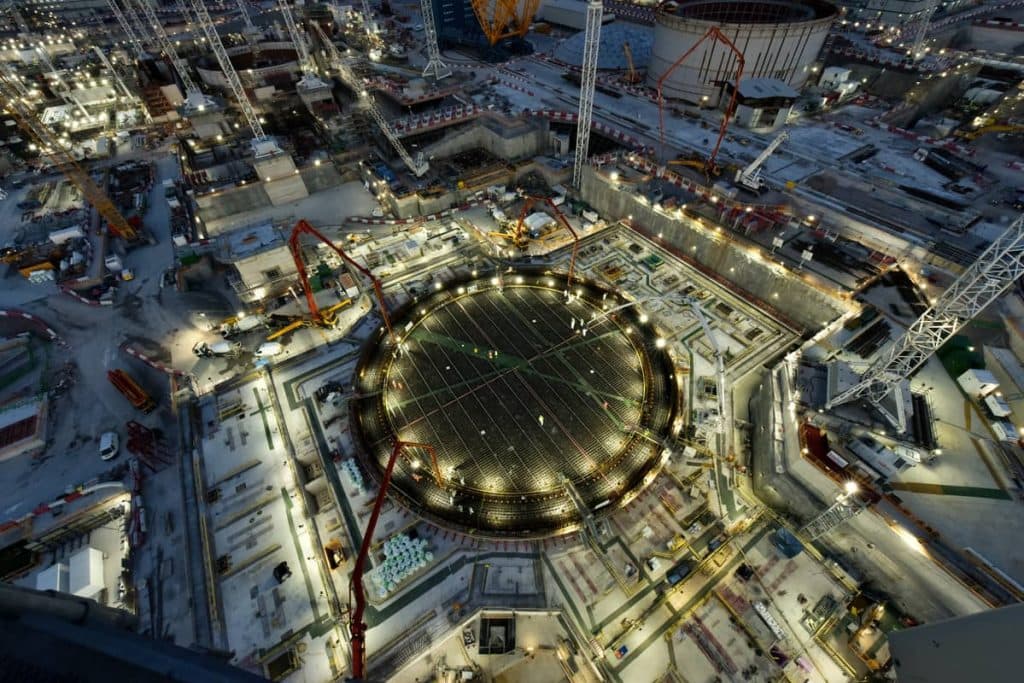
EDF Energy is currently preparing for the construction of two new EPR reactors at the Sizewell site, which is expected to begin within six months. A key aim of the plant’s designers is to ensure operation using reprocessed nuclear fuel.
EDF Energy is focusing its efforts on mitigating the environmental impact of the plant’s construction. In a recently published report, EDF Energy states that the Hinkley Point C nuclear power plant produces approximately 5.5 g of carbon dioxide per kWh of electricity generated.
This figure is among the lowest across different types of electricity generation. In addition to environmental goals, another objective is to use domestic companies. The Sizewell C project envisages up to 70% involvement of British suppliers, while up to 70 000 jobs are expected to be created during construction.
Future efforts by EDF Energy are also focused on reducing the environmental impact of operating the Sizewell C plant. The company is working to reduce the use of fresh nuclear fuel, which it plans to replace with reprocessed fuel.
The plan to use reprocessed spent nuclear fuel in the new units was presented at the Nuclear2021 conference. Fuel reprocessing technology makes it possible to separate uranium and plutonium isotopes from highly radioactive material. These can then be used for further fission chain reactions. An indisputable advantage is also the reduction in the activity of the remaining fuel
Nuclear fuel reprocessing takes place in France, Russia, the United Kingdom and India. Another reprocessing plant is currently being built in Japan and was expected to enter operation in 2022. Reducing the quantity of long-lived radioactive elements will also reduce the activity of the remaining nuclear fuel, thereby shortening the storage time required for spent fuel to decay to levels found in the natural environment.
Global reprocessing capacity is currently approximately 3800 tonnes of fuel per year, with 2100 tonnes reprocessed from pressurised water reactors and 1700 tonnes reprocessed by France.
Reprocessed nuclear fuel is reused as an additive in special MOX (Mixed OXide) fuels. Due to the different neutron-physical and thermohydraulic parameters of this fuel, the number of such fuel assemblies in the reactor core is limited. The limitation results from faster transient processes and the overall dynamics of the reactor.
In a conventional Generation II pressurised water reactor, MOX fuel assemblies can account for approximately one third of the core load. However, newer Generation III+ reactors are expected to use a higher proportion of MOX fuel, which should account for at least 50%.
Translation disclaimer
This article is a machine translation of the Czech original and has not yet been fully reviewed. In case of any doubt, please refer to the Czech version.
Sdílejte článek prostřednictvím:
You might also like
22 September 2026, 12:50
22 September 2026, 06:09
21 September 2026, 15:25