
28 October 2026, 15:10
Loading...
Slovenia estimates cost of new nuclear unit at up to CZK 380 billion

Jiří Salavec
3 June 2024, 06:24
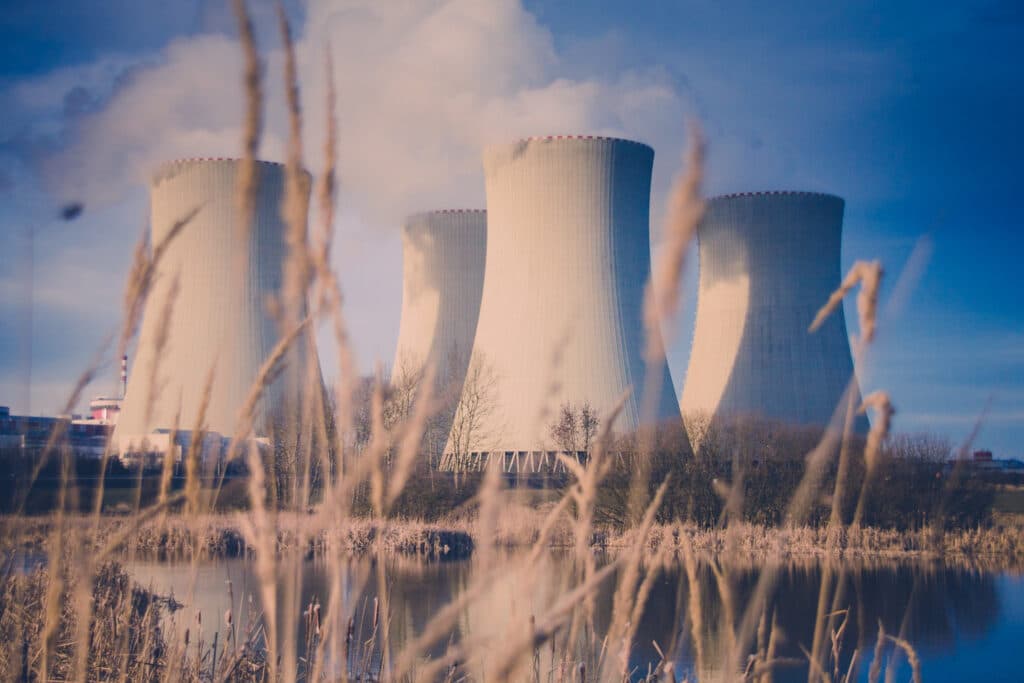
Slovenia is continuing preparations for a new nuclear unit at the Krško power plant. A working group has now published its first estimate of the expected cost of building a unit with a capacity of up to 1650 MW. This could reach as much as EUR 15.4 billion. At the same time, however, it has stated that the optimal unit size for grid connection is no more than 1300 MW. A referendum on building the new unit is expected to take place this year, and the government expects to make a final decision by 2028 so that the new unit can begin operating around 2035.
Slovenian energy company GEN energija published the first findings of the working group preparing for the new nuclear unit. Its economic analysis assumes a unit cost of EUR 9,300/kW (around CZK 230,000/kW), although experts say this figure is not yet backed by any specific bid.
According to the initial estimates, the new unit could cost Slovenia EUR 9.3 billion (approximately CZK 230 billion) for an installed capacity of 1000 MW. At the maximum capacity under consideration, 1650 MW, the cost could reach EUR 15.4 billion (up to CZK 380 billion). The figure does not include financing costs and represents the cost at current prices for an “overnight” construction project.
The economic model puts the levelised cost of electricity at EUR 44.5/MWh. Including financing costs, the figure could range from around EUR 66 to 99/MWh, depending on expected interest rates and inflation.
“On Monday, 20 May 2024, GEN energija submitted a proposal to the relevant ministry to initiate national spatial planning, for coordination,” the company said in a press release.
The working group is now preparing specifications for feasibility studies to be carried out by potential suppliers of the second unit at the Krško power plant (JEK2). They include US company Westinghouse, France’s EDF and South Korea’s KHNP.
Optimal size of up to 1300 MW
Experts also presented the results of a study on connecting the nuclear unit to Slovenia’s transmission system. The analysis examined capacities ranging from 1000 to 2400 MW. The main criteria included static and dynamic analyses, short-circuit current analyses and the required size of balancing reserves.
“The key finding is that, in terms of the safety and stability of Slovenia’s power system, the optimal size for JEK2 is up to 1300 MW of net electrical output at the plant gate. New sources of balancing services will also need to be secured, particularly mFRR,” the working group’s conclusions state.
Informing the public about the new unit
The Slovenian government plans to let the public decide on the construction of the new nuclear unit in a referendum, which is expected to take place this year. A final investment decision is due within four years. Estimates of when the new unit will begin operating vary, but the government would like to bring it online in 2035.
“Our goal is to raise awareness and inform the wider Slovenian public about energy sources and the JEK2 project. In the coming months, GEN energija will therefore hold a roadshow and regularly publish detailed information about the JEK2 project on its website,” GEN energija added.
Slovenia and neighbouring Croatia currently operate a single 730 MW nuclear unit. It was commissioned in 1983 and, following a positive assessment by the nuclear regulator, is expected to generate electricity until 2043.
Translation disclaimer
This article is a machine translation of the Czech original and has not yet been fully reviewed. In case of any doubt, please refer to the Czech version.
Sdílejte článek prostřednictvím:
You might also like

28 October 2026, 13:08

28 October 2026, 11:10

28 October 2026, 09:08
