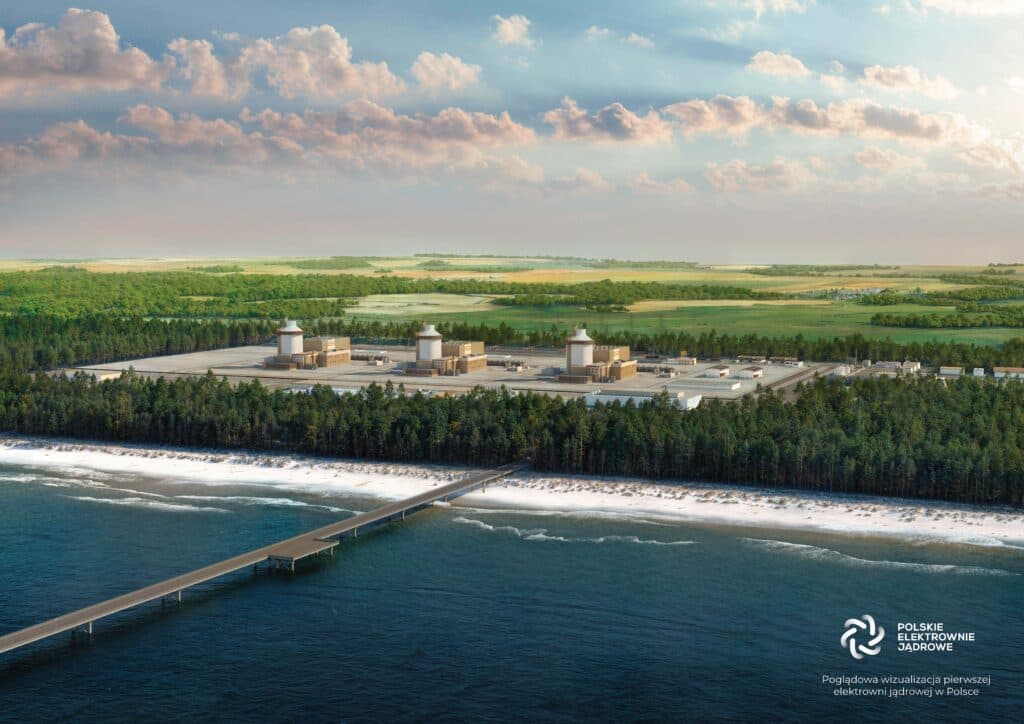
Small modular reactor project in Romania secures further funding

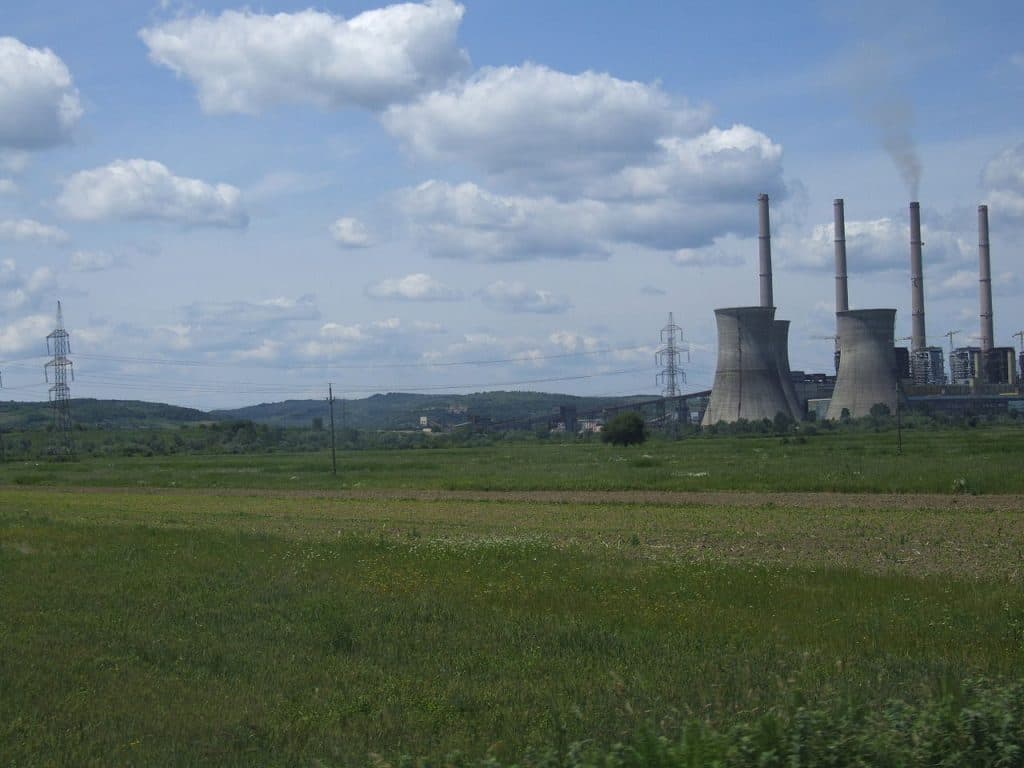
EXIM Bank USA has approved financing of up to $99 million for a small modular reactor project. This continues Romania’s earlier efforts to develop nuclear technologies.
In a recent announcement, RoPower Nuclear SA confirmed that the Export-Import Bank of the USA (EXIM) had approved a financial commitment of up to $99 million to support the development of a small modular reactor (SMR) project in the coal region of Doicesti. This commitment is part of an initial financing package worth $275 million, which includes significant contributions from other international institutions, such as the US International Development Finance Corporation (DFC), and private partners.
Energy Minister Sebastian Burduja said that the small modular reactor (SMR) project in Doicesti is an important signal from Romania and its strategic partner, the United States. The project aims to support energy independence, security and innovation, and also represents a pragmatic transition from coal to nuclear energy. The SMR project will use NuScale Power technology. This advanced nuclear technology was also chosen to enable more efficient integration into existing energy infrastructure.
"This investment has the potential to place our country among the world’s most important energy innovation hubs. Romania wants to set an example for other countries in the region, where many coal-fired power plants could be converted more quickly to nuclear power generation capacity—zero-CO2-emissions generation—using SMR technology. Safe, clean and competitively priced energy. This goal will play a key role in balancing the national energy system, as it is much more flexible in adjusting power generation than large nuclear reactors,"said Sebastian Burduja, the energy minister.
The project, whose construction will begin after the completion of the second phase of front-end engineering and design (FEED) studies, will help Romania reduce carbon emissions by approximately 4 million tonnes a year. EXIM Bank financing is important to advancing the project through activities such as construction work, utility infrastructure preparation and securing permits from Romanian authorities.
The Doicesti project is expected to create more than 2,000 new jobs during construction and more than 230 permanent jobs to operate the plant, as well as thousands of additional jobs in related sectors. The new SMR plant will have a lifespan of more than 60 years, with commissioning planned for the end of this decade. This project is a key element of Romania’s commitment to triple its nuclear power generation capacity by 2050.
Commercial development of SMRs in the Czech Republic
A Westinghouse study by PwC, for example, has reported on the potential benefits of SMR development in the Czech Republic, analysing the economic advantages of deploying AP300™ SMRs in the country. The study estimates that the project could add up to 292.7 billion Kč to Czech GDP over 25 years and create approximately 3,200 jobs during construction. Once operational, the project is expected to contribute 95.3 billion Kč to GDP annually and create around 8,500 jobs.
In the Czech Republic, at least for now, cooperation with Rolls-Royce is taking shape, with the partly state-owned energy company ČEZ planning a strategic partnership with the company to develop SMRs. The Czech Republic wants to be involved in the global production of SMRs, not just their purchase. Prime Minister Fiala stressed that Czech companies could be part of the creation of Rolls-Royce’s international supply chain. ČEZ plans to build up to ten SMRs with a total capacity of three gigawatts by 2050.
Translation disclaimer
This article is a machine translation of the Czech original and has not yet been fully reviewed. In case of any doubt, please refer to the Czech version.