Trump's nuclear push: faster licensing, fewer regulations, bigger ambitions
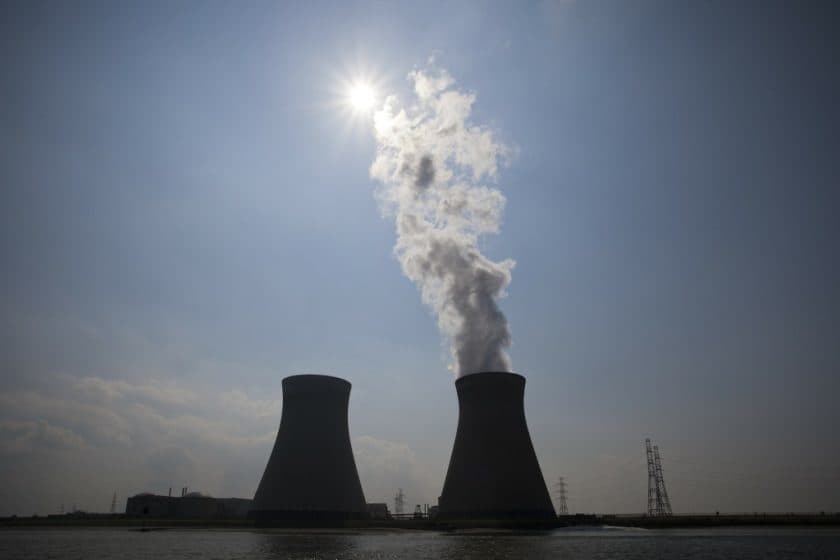
President Donald Trump has signed four executive orders aimed at fundamentally reforming US nuclear policy. The key measure is to cut the time it takes to license nuclear power plants from ten years to 18 months. The change is intended to support faster growth in nuclear energy, which the administration says is crucial to meeting rising electricity demand from artificial intelligence and data centers, Reuters reports.
The reform focuses on a review of how the Nuclear Regulatory Commission (NRC) operates. The White House has described the agency as overly conservative and excessively risk-averse. The goal is to streamline administrative processes, reduce the regulatory burden and strengthen cooperation between the Departments of Energy and Defense. The Trump administration also plans to review the NRC’s staffing and strengthen its links with key government institutions to make it easier to advance the construction of nuclear facilities.
One aim is to allow nuclear power plants to be built on federal land, particularly at military sites. According to the White House, the Pentagon should play an active role in procuring reactors and overseeing their installation. By 2030, the government wants to facilitate the construction of ten large reactors, and by 2050 to quadruple the installed capacity of US nuclear power plants. The ambitious plan is intended to strengthen energy security while also helping to reduce CO₂ emissions.
The measures also include efforts to revive domestic uranium production and enrichment, which are essential to ensuring energy self-sufficiency. The government wants to reduce dependence on foreign suppliers and strengthen strategic energy security.
Financial markets also took note of the news, with shares in Oklo, which is developing small modular reactors, rising by 23%. NuScale, which is also focused on SMR technology, gained 19.4%. Centrus Energy, a nuclear fuel producer, also advanced sharply, with its shares rising by 21.6%, while Cameco, the world’s largest publicly traded uranium company, gained 11.1%. By contrast, gains for established nuclear companies such as Constellation Energy and Dominion Energy were more modest, with their shares rising by 2.1% and 1.1%, respectively.
The Trump administration has declared an energy emergency over insufficient electricity supplies, particularly in light of the growing needs of data centers and artificial intelligence systems. While the president previously prioritized fossil fuels, recent steps suggest a shift towards nuclear energy as well. It has gained support both among Republicans, who see it as a means of achieving energy independence, and some Democrats, who value its low greenhouse gas emissions. Concerns remain, however, particularly over safety and radioactive waste management.
Costs and risks remain a barrier
Nuclear energy regulation has tightened significantly in recent decades, particularly in response to historical accidents such as those at Chernobyl (1986) and Three Mile Island (1979). Today, attention is turning to new technologies, especially small modular reactors (SMRs), which could be cheaper and quicker to build than conventional power plants.
These advanced reactors nevertheless bring new safety challenges. Some experts warn that deploying them too quickly without sufficient oversight could lead to a repeat of past mistakes.
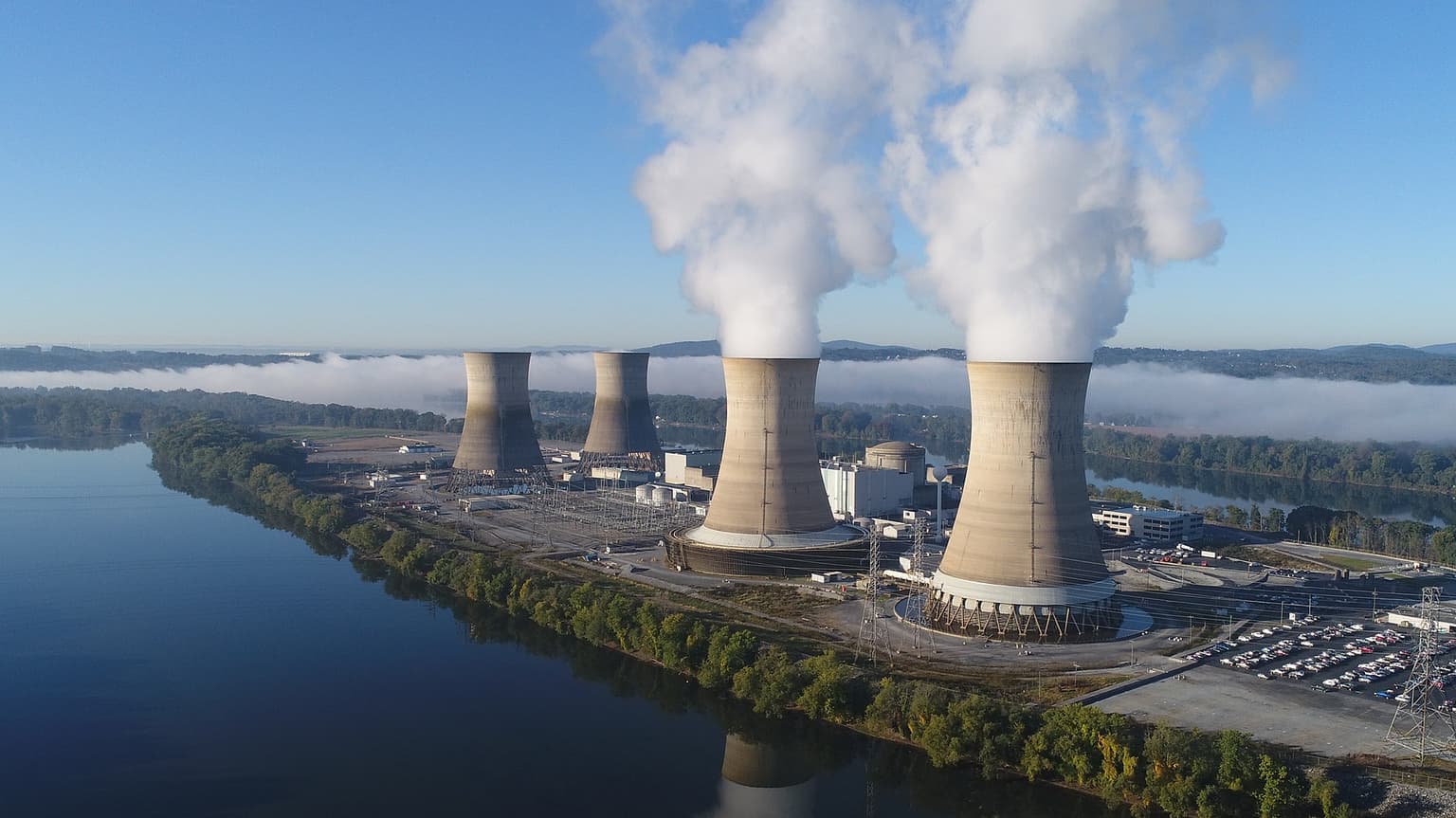
Source: Constellation
The US nuclear industry faces longstanding challenges, including high costs, tariffs and unstable government support. Uncertainty over tax incentives and the regulatory framework makes it difficult to plan and finance projects worth billions of dollars. Critics warn that the Trump administration’s efforts to curb the authority of the Nuclear Regulatory Commission (NRC) could undermine public confidence and the international reputation of US nuclear technology. Experts say that reducing the NRC’s independence could lead to a serious accident that would discredit nuclear energy for decades.
“By fatally threatening the independence and integrity of the Nuclear Regulatory Commission (NRC) and supporting pathways to nuclear deployment that completely bypass the regulator, the Trump administration is virtually guaranteeing that this country will experience a serious accident or other radiological release,” Edwin Lyman, a nuclear expert at the Union of Concerned Scientists, an environmental protection organization, told Financial Times.“Such a catastrophe will destroy public confidence in nuclear energy and lead other nations to shun US nuclear technology for decades,” Lyman added.
Nuclear industry representatives, by contrast, have welcomed the measures. According to the CEOs of companies such as Constellation Energy and Valar Atomics, they represent a landmark change that will enable new technologies to develop more quickly. Startups such as Oklo view the new orders as an opportunity to simplify and streamline regulatory processes. Some experts nevertheless warn that excessive regulatory easing could weaken the focus on safety, which is fundamental to the nuclear sector.
Despite growing political support, new nuclear projects face high costs and stiff competition from cheap natural gas. For example, NuScale cancelled its SMR project because of financial difficulties, while construction of the Vogtle reactor was delayed and significantly exceeded its budget. In addition, the Loan Programs Office, which is intended to finance riskier projects, has been weakened by earlier cuts. It is therefore unclear whether the government’s current measures will actually revive the US nuclear sector.
Some experts consider the administration’s plan to build ten large reactors unrealistic, given the risks outlined above—particularly since only two have been completed in the past twenty years, and both significantly exceeded their planned budgets.
Translation disclaimer
This article is a machine translation of the Czech original and has not yet been fully reviewed. In case of any doubt, please refer to the Czech version.




