23 October 2026, 11:01
Loading...
Czechia will not seek an extension of its exemption from the ban on Russian oil imports

oEnergetice.cz, ČTK
23 November 2024, 09:12
Czechia will not seek an extension of its exemption from the European ban on imports of Russian oil products. The Ministry of Industry and Trade (MIT) confirmed the Reuters report to the Czech News Agency (ČTK) today. The exemption expires on 5 December. The ban on supplies of products made from Russian oil was approved as part of the sanctions imposed by the European Union on Russia over its aggression against Ukraine. In addition to Czechia, Slovakia and Hungary were also granted exemptions.
“In the context of the current situation and the steps Czechia is taking to ensure independence from imports of Russian oil, the Czech Republic sees no reason why the exemption should be extended,” MIT spokesperson Marek Vošahlík told ČTK.
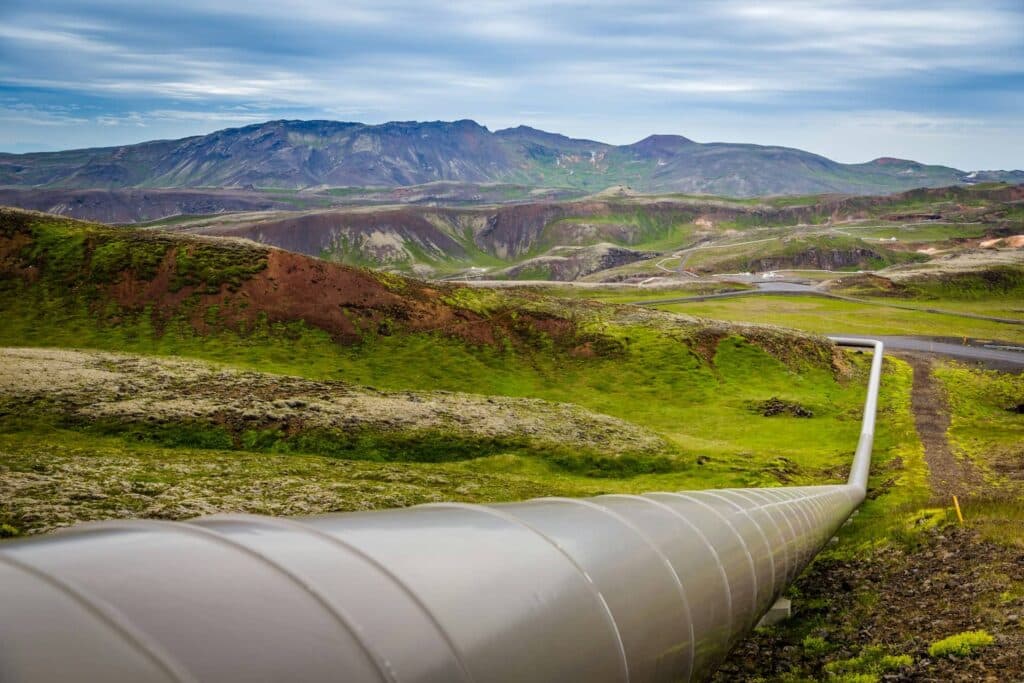
Czechia is expected to end its dependence on Russian oil by expanding the TAL pipeline, which is set to double the capacity for transporting oil to the country to eight million tonnes a year from next year. Currently, oil reaches Czechia from two main sources. Of the 7.4 million tonnes of oil imported last year, around 58 percent came via the Druzhba pipeline, which carries oil from Russia. The rest comes via the German IKL pipeline, which connects to the Italian TAL pipeline, whose starting point is Trieste.
Reuters noted that Czechia obtains Russian oil products mainly through supplies from the Slovak refinery Slovnaft, which is owned by Hungarian company MOL. The news agency cited an earlier statement by Slovak Foreign Minister Juraj Blanár, who said Slovakia does not plan to end oil supplies from Russia in the near future. According to Reuters, Czechia could replace supplies from Slovnaft with imports of oil products from other countries by rail.
In mid-October, MOL warned that the end of the exemption could lead to fluctuations in fuel supplies in Czechia. However, Orlen Unipetrol, the only oil processor in Czechia, said it had secured sufficient oil supplies to maintain continuity of production and was ready, if necessary, to redirect export output to the Czech market.
Translation disclaimer
This article is a machine translation of the Czech original and has not yet been fully reviewed. In case of any doubt, please refer to the Czech version.
Sdílejte článek prostřednictvím:
You might also like


23 October 2026, 06:34