Despite significant investment in decarbonisation, Europe remains dependent on fossil fuel imports

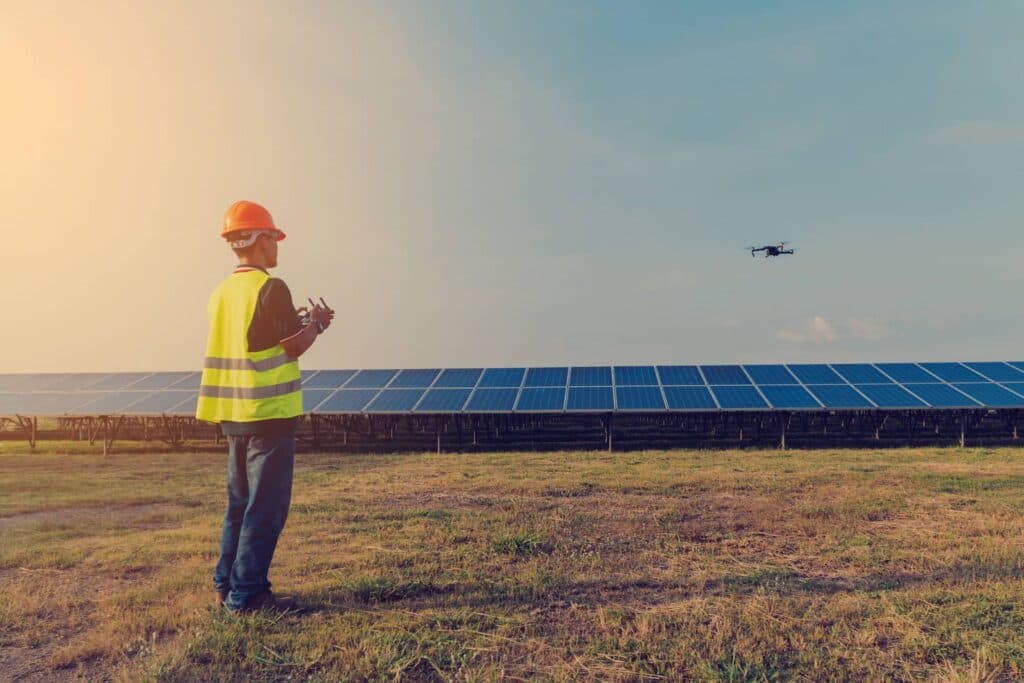
Huge European investments in renewable energy are gradually transforming its energy system. But when it comes to energy independence, which Brussels often emphasises, those investments have so far brought little meaningful progress.
As Euractiv reported, the latest price shock linked to the conflict in Iran highlights Europe’s ongoing vulnerability to energy commodity imports. Despite investments worth hundreds of billions, if not 1 trillion euros, Europe remains heavily dependent on imported energy, above all fossil fuels. The EU’s dependence is estimated at around 60%. This means essentially no change since 2000. A greater impact from the conflict is still expected.
While renewable energy sources now generate about half of Europe’s electricity and coal has largely been phased out, this development has not translated into reduced dependence on external energy sources. The core of the problem is not supply, but demand. Oil products continue to dominate transport, gas remains crucial for heating, and industry depends on fossil fuels both as an energy source and as feedstocks for production.
Large parts of the economy are also not electrified, electric vehicles make up only a small share of the vehicle fleet, and heat pumps, for example, are still not widespread enough. Europe has also significantly reduced its own fossil fuel production.
Natural gas production has fallen to a quarter of its 1996 peak. Oil production has dropped to roughly a third of its 2004 level. This decline reflects both geological realities, as European reserves are being depleted, and political decisions, including opposition to new drilling and technologies such as fracking.
The result is a structural mismatch: Europe has rapidly decarbonised electricity generation without transforming energy consumption to the same extent or properly accelerating electrification. This imbalance leaves the continent exposed to global fossil fuel markets and geopolitical shocks, as shown by recurring energy crises, including the one triggered by the current conflict in the Middle East.
The Brussels administration’s response to the conflict continues to prioritise the expansion of renewable energy, alongside short-term support measures such as subsidies and price controls. These measures, however, are relatively short-lived. Even optimistic forecasts suggest that electrification will cover only about half of total energy consumption by the 2040s, meaning long-term dependence on imported oil and gas. Transforming demand therefore remains key.
Translation disclaimer
This article is a machine translation of the Czech original and has not yet been fully reviewed. In case of any doubt, please refer to the Czech version.