Disagreements within OPEC+ have grown; new audit system aims to stabilize oil market
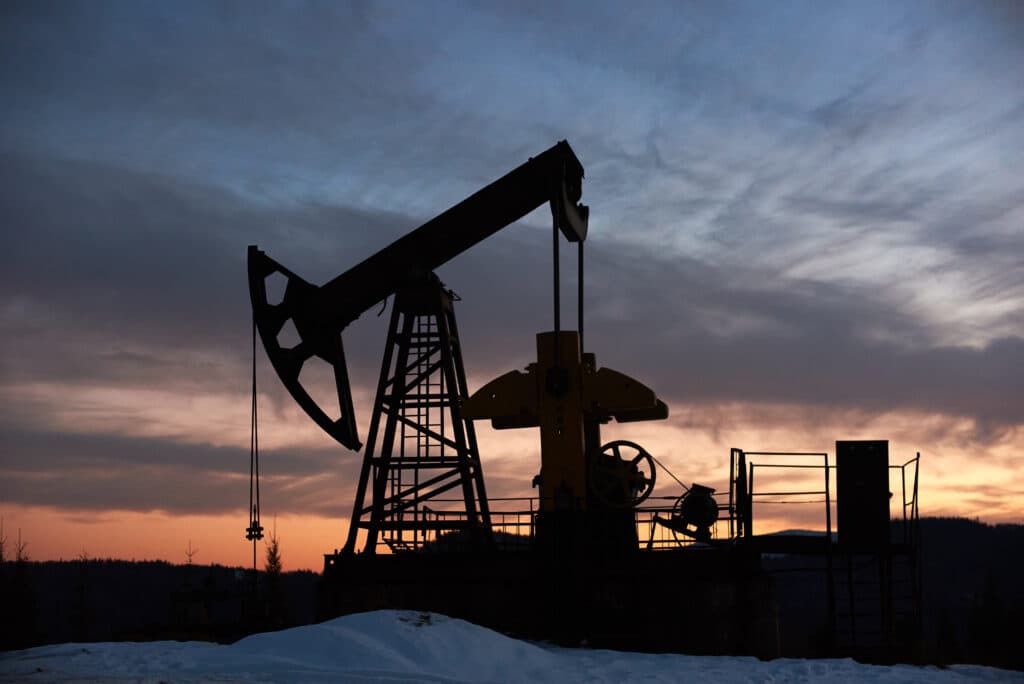
The OPEC+ group of oil producers has approved a new mechanism for assessing member countries’ maximum production capacity. From 2026, all member states will undergo an independent audit every year, which will set fair production quotas based on their actual capacity. Members believe the new approach will resolve the long-standing discrepancy between theoretical limits and actual production capabilities, and strengthen the confidence of investors and the wider oil market in future agreements.
The new system also provides for regular data updates. After the initial audit in 2026, countries will submit updated capacity data at the beginning of each year. OPEC+ will then assess the data in March and adjust quotas for the following period. This will enable it to respond more effectively to a situation in which most producers have very little spare capacity and increasing production often takes months.
Why the change: growing divisions within OPEC+
In recent years, the gap between quotas and actual production has continued to widen. According to S&P Global Platts data, 12 countries produced less than their limits allowed in October 2025. Russia was 101 thousand barrels per day below its limit, while other countries, such as Kazakhstan, exceeded their quotas.
Tensions also grew over production limit requirements. A number of African producers were unable to meet their targets because of declining capacity and weak investment. By contrast, the United Arab Emirates, for example, invested heavily in developing production and called for higher quotas. According to OPEC+, the disputes also led Angola to leave the organization in 2024. The organization believes the new audit system will prevent such conflicts.
The audits will be conducted by independent consultants. OPEC+ has approached, for example, the U.S. firm DeGolyer and MacNaughton to assess the capacity of nineteen members. The remaining three countries—Russia, Iran and Venezuela—rejected U.S. auditors because of sanctions, so the organization will most likely select an auditor from India for them, or the countries may use their own data. According to OPEC+ leadership, this necessary flexibility made it possible to reach an agreement.
Saudi Energy Minister Abdulaziz bin Salman called the decision to conduct the audit “one of the most successful days of his career” and said he believes the new mechanism will help stabilize markets and reward countries that invest in expanding capacity.
Translation disclaimer
This article is a machine translation of the Czech original and has not yet been fully reviewed. In case of any doubt, please refer to the Czech version.




