IEA: New US sanctions could significantly disrupt Russian oil supplies

New US sanctions on Russian oil could significantly disrupt supplies of the commodity from Russia. The International Energy Agency (IEA) said this today in its regular monthly report. The IEA left its forecast for supplies from Russia and Iran this month unchanged.
The full impact of the sanctions announced last Friday is still unclear, according to the agency. It said, however, that Washington’s measures could tighten the balance on the oil and fuel markets.
Tighter sanctions, as well as cold weather in the Northern Hemisphere, pushed the price of oil above 80 dollars per barrel in recent days. North Sea Brent crude reached a four-month high of 81 USD per barrel, roughly eight dollars more than a month ago.
The IEA’s outlook suggests that the oil market will be in surplus this year, as supply growth outpaces subdued demand growth.
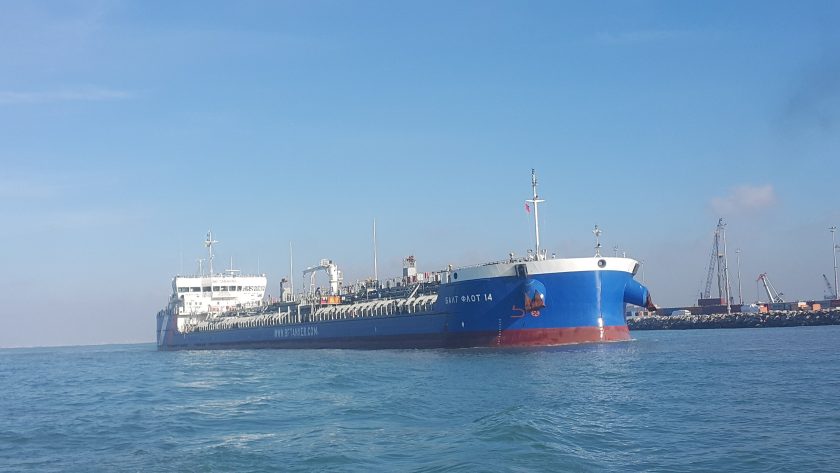
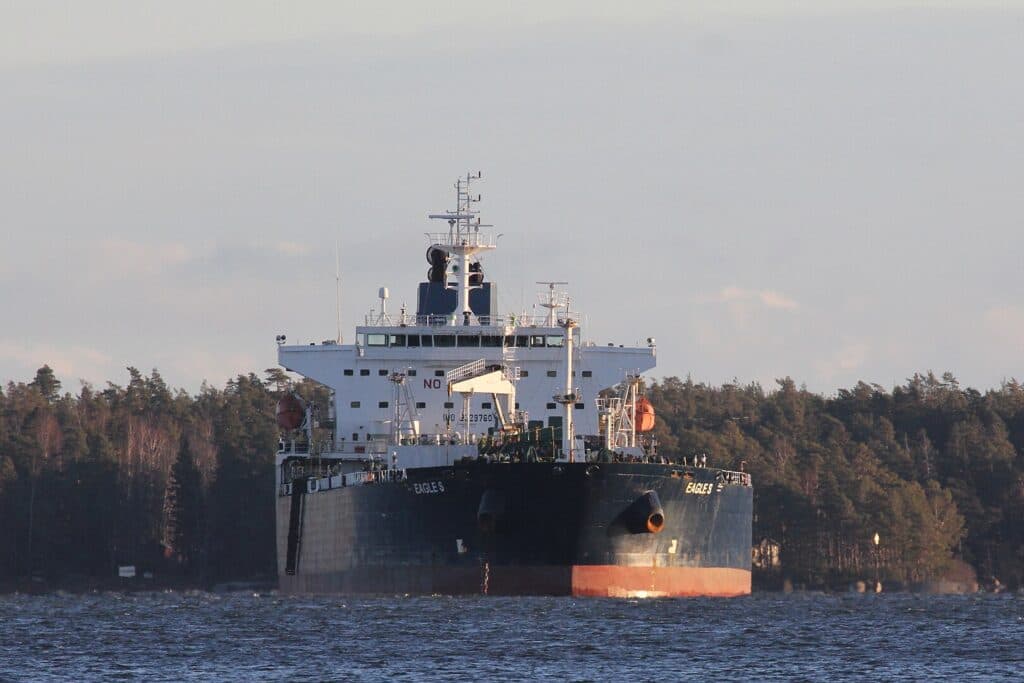
The new US sanctions against Iran and Russia target entities that processed more than a third of Russian and Iranian oil exports last year. The latest US sanctions package listed more than 160 tankers, which, according to the IEA, carried about 22 percent of Russia’s seaborne oil exports last year. The sanctions have had an effect, the agency said.
A substantial increase in supplies from areas outside the Organization of the Petroleum Exporting Countries (OPEC) and its allies, led by Russia, a group known as OPEC+, could curb price increases. Alternatively, OPEC+’s efforts to end production cuts could slow them.
The agency now expects global oil supply to grow by 1.8 million barrels per day this year, with most of the additional output outside OPEC+ amounting to 1.5 million barrels per day. The IEA estimates oil demand growth this year at just 1.05 million barrels per day.
Translation disclaimer
This article is a machine translation of the Czech original and has not yet been fully reviewed. In case of any doubt, please refer to the Czech version.