
23 October 2026, 11:01
Loading...
Mero: Equipment to increase TAL pipeline capacity for Czechia to be installed by year-end

oEnergetice.cz, ČTK
14 October 2024, 13:57
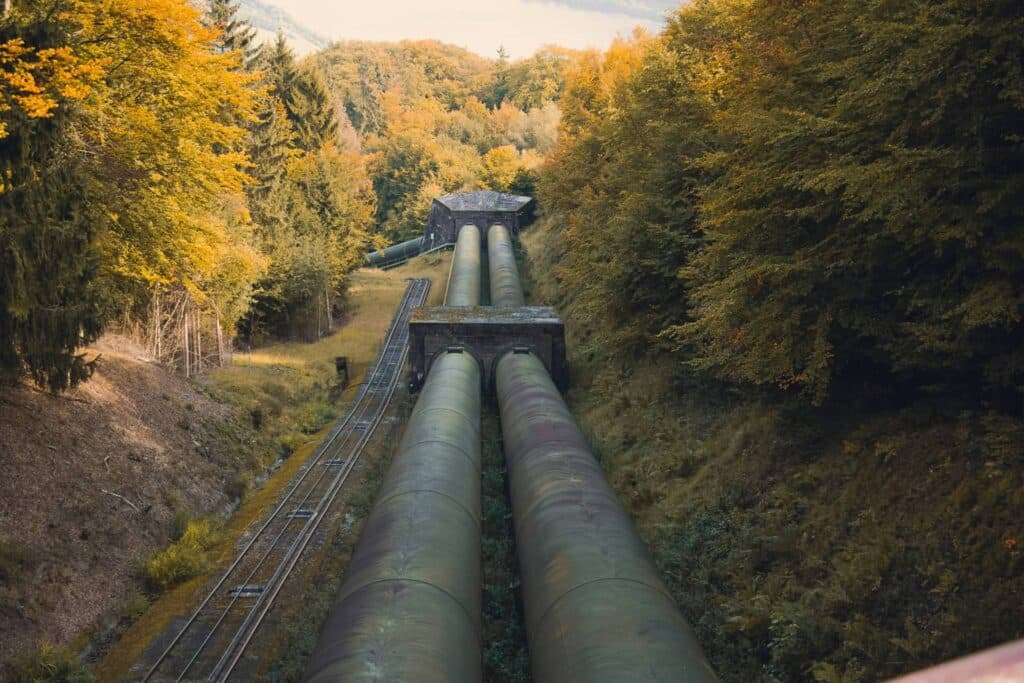
Work to expand the TAL oil pipeline from Italy, which is intended to end Czechia’s dependence on Russian oil, is proceeding according to plan. By the end of this year, installation of all the key equipment needed to achieve its maximum required throughput will be complete. Zdeněk Dundr, vice-chairman of the board of state-owned pipeline operator Mero, said this in an interview with Hospodářské noviny (HN) today. The project, costing around 1.6 billion crowns, is set to increase capacity for Czechia by four million tonnes of oil a year from 2025, enabling up to eight million tonnes to be transported into the country annually.
According to Dundr, a trial run is scheduled for the first quarter of 2025, with the pipeline’s increased capacity expected to be ready in the first half of 2025. Mero has owned a five-percent stake in the TAL pipeline since 2012.
Crude oil currently reaches Czechia from two main sources. Of the 7.4 million tonnes of oil imported last year, around 58 percent came via the Druzhba pipeline, which carries oil from Russia. The rest arrives via the German IKL pipeline, which connects to the Italian TAL pipeline, which begins in Trieste.
Dundr said Mero expects the Druzhba pipeline to continue transporting Russian oil in the first half of next year, before Czechia switches to the TAL and IKL pipelines. Several scenarios are being considered for its future.
“The route from the Black Sea via the Ukrainian port of Odesa, connecting through a spur near the town of Brody in western Ukraine, is promising once the war is over. In the longer term, there is the possibility of transporting liquids other than oil. But we would prefer oil to flow through it,” Dundr said, adding that the option of temporarily mothballing Druzhba is also being considered, with the pipeline left in the ground but its environmental safety ensured.
“We would gradually displace all the hydrocarbons from them (the pipes), chemically decontaminate the pipes and flush them with water. If the pipeline were temporarily mothballed, its interior would be filled with nitrogen to prevent the metal from corroding,” Dundr said, describing the possible mothballing process.
ktp rdo
Translation disclaimer
This article is a machine translation of the Czech original and has not yet been fully reviewed. In case of any doubt, please refer to the Czech version.
Sdílejte článek prostřednictvím:
You might also like


23 October 2026, 06:34

