
23 October 2026, 11:01
Loading...
Oil paradox: Western countries and Turkey’s “repackaging” of Russian oil

Libor Láník
30 October 2024, 13:58
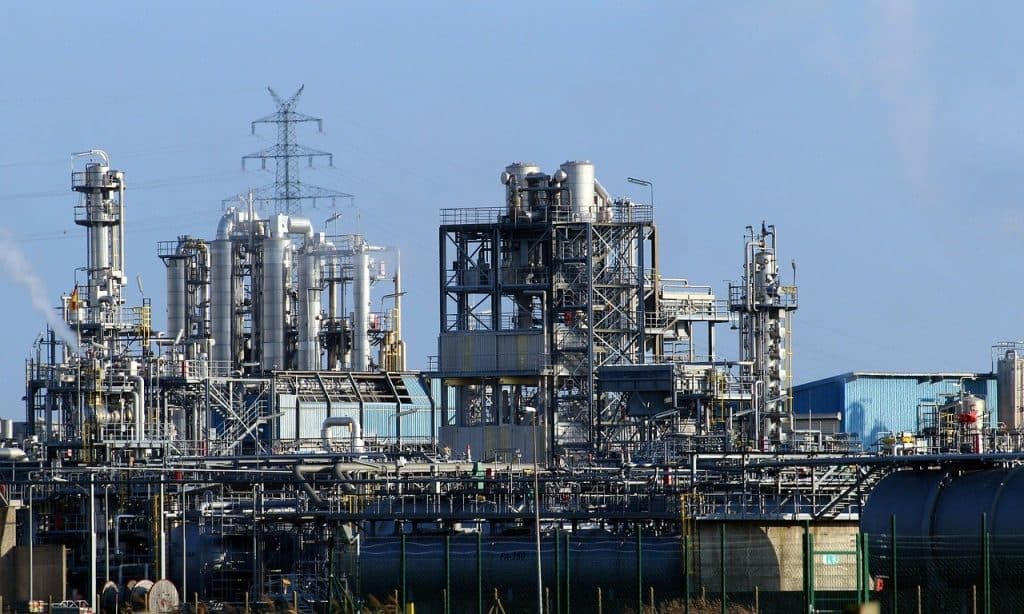
While Hungary faces criticism for its dependence on Russian energy sources, the chief operating officer of MOL is drawing attention to the hypocrisy of Western countries that circumvent their own sanctions by importing Russian-origin oil products via Turkey. This is also confirmed by a study by CREA (Centre for Research on Energy and Clean Air). The director’s remarks were quoted by the Financial Times.
György Bacsa, a senior executive at Hungary’s leading oil company MOL, told the newspaper that Western allies are buying only “repackaged” Russian fuels from Turkey, while no one is protesting and their role continues to grow. Hungary, by contrast, is “merely” using the exemption granted by the EU to landlocked countries such as the Czech Republic, giving them more time to switch to alternative supplies.
“We are left to fend for ourselves, and some countries cannot touch Russian oil and gas, while others are hypocritical, buying repackaged products and enjoying the benefits,” Bacsa said. Western countries are circumventing sanctions in this way, rendering them ineffective.
Sanctions hypocrisy
His remarks are backed up by a study by the independent research organisation Centre for Research on Energy and Clean Air (CREA). The G7+ countries—that is, the G7 states, EU member states, Australia, Norway and Switzerland—imported €1.8 billion worth of Russian-origin oil products from Turkey in the first half of 2024, the study says.
These products are produced mainly at three Turkish refineries—STAR Refinery, Tupras Izmit Refinery andTupras Aliaga Izmir Refinery. Alongside a 62% year-on-year increase in exported products, imports of Russian oil into Turkey are also growing. Turkey’s dependence on Russian oil transported by sea rose to 70% year on year. Romania, the USA and the Netherlands were the largest buyers from Turkish refineries.

Imports of oil products from refineries using Russian oil by countries subject to sanctions. Source: CREA
These data suggest that Russia still relies on its traditional Western markets, as it received tax revenues of €750 million in the first half of 2024 alone. This is striking given that the EU introduced a ban on imports of Russian crude oil from 5 December 2022 and of petroleum products from 5 February 2023.
If Western countries are serious about the sanctions they have imposed, they should take an apparently simple and straightforward step: impose a comprehensive ban on imports of products from refineries processing Russian oil, which would effectively prevent third countries from circumventing the sanctions.
Tightening these restrictions would further reduce demand for Russian oil, making it harder for Russia to find new markets. Another important part of the strategy should be lowering the price cap on Russian oil imports into third countries, which would further reduce its export prices and limit revenue for the Russian budget.
Translation disclaimer
This article is a machine translation of the Czech original and has not yet been fully reviewed. In case of any doubt, please refer to the Czech version.
Sdílejte článek prostřednictvím:
You might also like


23 October 2026, 06:34

