
23 October 2026, 11:01
Loading...
Orlen Unipetrol starts returning borrowed oil; Czech reserves to include non-Russian oil for first time

oEnergetice.cz, ČTK
11 June 2025, 12:01
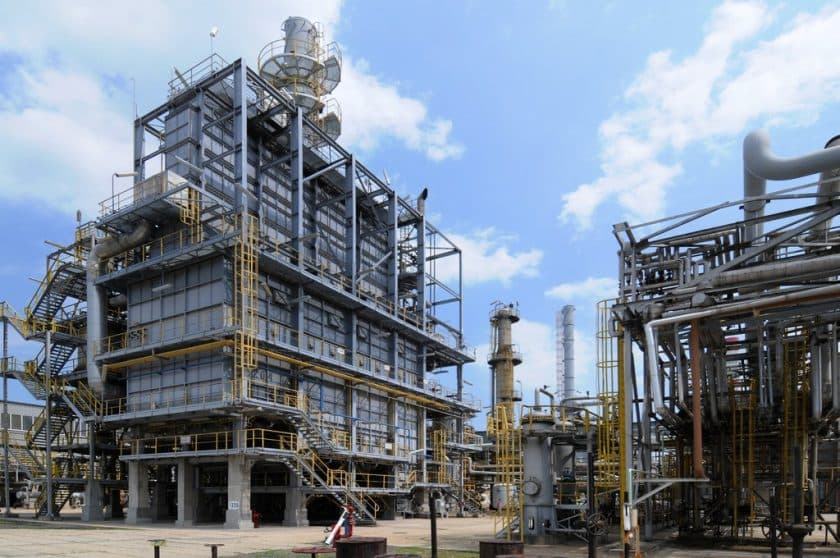
Refining company Orlen Unipetrol today began returning oil borrowed from the state reserves. It needed the oil from March for its plant in Litvínov after supplies via the Russian Druzhba pipeline were halted; the state then decided to lend it up to 330.000 tonnes of oil. However, instead of Russian oil, the refinery is now returning light Azeri Light crude, which is also processed at the refinery in Kralupy nad Vltavou. Czech emergency reserves will therefore include non-Russian oil for the first time. Pavel Švagr, chairman of the Administration of State Material Reserves (SSHR), told the Czech News Agency (ČTK) today.
"I can confirm that Orlen Unipetrol began returning the oil we lent it in the spring today, so it could continue producing diesel and other products for the Czech market at its Litvínov refinery. But instead of Russian oil, it is returning light Azeri Light crude, which is processed at the refinery in Kralupy nad Vltavou. This means we will now have stocks for both refineries. Historically, Czech reserves held only Russian oil for Litvínov," Švagr said.
According to the SSHR, the Litvínov refinery needed to borrow a total of four tanks of oil from Czech reserves. "This helped stabilise fuel supplies to the Czech market, and drivers noticed no difference," the agency's head noted. Orlen Unipetrol should return the first tank of non-Russian oil by the end of June and the other three by the end of August, he said

Illustrative photo
The SSHR used the halt to supplies via Druzhba as an opportunity to partially renew its oil stocks. Under EU rules, the agency must maintain emergency stocks sufficient for around 90 days of operation. The loan to Orlen Unipetrol accounted for approximately one-third of these reserves. After the borrowed oil is returned, the state reserves will contain Russian-type oil sufficient for around 60 days, with non-Russian oil making up the rest. A decision on whether to replace more of the stocks should be made only once it is definitively clear what type of oil the Litvínov plant will use in the future.
Oil stopped flowing to the Czech Republic via the Druzhba pipeline at the beginning of March. Since then, oil has flowed into Czechia only via the western route, through the IKL and TAL pipelines. This spring, the state brought the expanded TAL pipeline into operation, enabling up to eight million tonnes of oil a year to flow into Czechia, enough to fully cover the needs of the country's refineries. In April, the Litvínov refinery also began processing oil from TAL, meaning it is no longer using Russian oil from the Druzhba pipeline for the first time since 1965.
The TAL pipeline begins in Trieste, where oil is imported from several countries and continents. The largest share comes from areas around the Caspian and Black seas, the United States and Africa.
Translation disclaimer
This article is a machine translation of the Czech original and has not yet been fully reviewed. In case of any doubt, please refer to the Czech version.
Sdílejte článek prostřednictvím:
You might also like


23 October 2026, 06:34

