11 October 2026, 08:24
Loading...
Russian shadow fleet tankers pollute European waters despite sanctions

oEnergetice.cz, ČTK
7 October 2025, 11:08
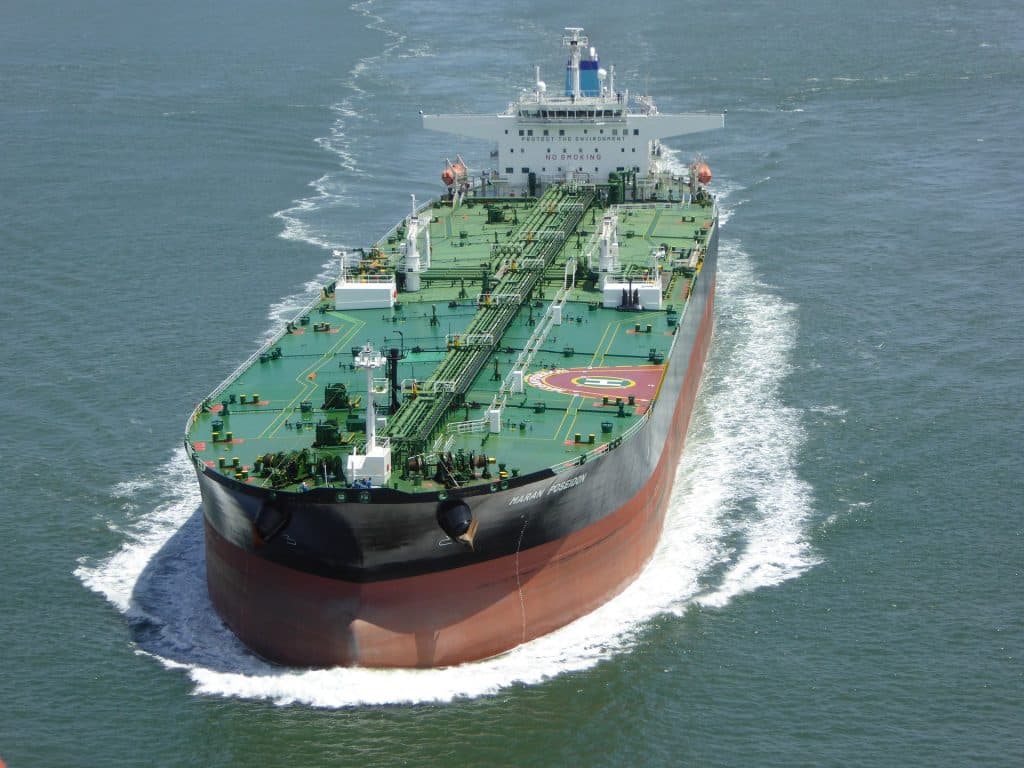
Despite Western sanctions, vessels linked to Russia continue polluting European coastlines with oil leaking from ageing tankers. The situation, according to Brussels-based website Politico, underscores the inability of Western institutions to rein in the so-called shadow fleet controlled by Moscow.
According to a joint investigation by the nonprofit journalism group SourceMaterial and Politico, at least five tankers from the Russian fleet continued sailing through European waters without hindrance over the past year after leaving oil slicks behind. Two of the vessels had been sanctioned by Britain before the spills occurred.
These new revelations are based on satellite imagery from the nonprofit organization SkyTruth, combined with data from the Kpler platform. They build on a 2024 investigation by Politico documenting oil spills from vessels in Russia's shadow fleet. The revelations highlight the difficulties Western governments face in curbing Russian oil exports and minimizing the risk of an environmental disaster in their waters. Latvian Energy Minister Kaspars Melnis called it a major problem. “At this point, we are very lucky that there has been no environmental disaster,” he added.
In 2022, the G7 introduced a price cap on global sales of Russian oil, exports of which account for about a quarter of Russian state budget revenues. Since then, Moscow has increasingly transported oil using a growing fleet of ageing, inadequately insured tankers with opaque ownership structures. Experts warn that the tankers' dilapidated condition increases the likelihood of accidents and collisions. The vessels' opaque ownership also makes effective monitoring and oversight by Western authorities impossible. According to maritime analytics firm Lloyd's List Intelligence, the shadow fleet now comprises 1,300 vessels. These vessels have been linked to massive oil spills and damage to critical undersea infrastructure, such as communications cables.
Cleaning up after a major oil disaster caused by a similar tanker could cost as much as 1.4 billion euros, according to an analysis by the Centre for Research on Energy and Clean Air (CREA). If those responsible could not be identified, European taxpayers would likely foot the bill.
Brussels has so far barred 444 Russian tankers from accessing ports in European Union member states, hoping that non-member countries where the tankers are registered will adopt similar measures. Britain, for example, has sanctioned 450 vessels. “The shadow fleet is Putin’s desperate and dangerous attempt to maintain his oil revenues while polluting the seas,” a spokesperson for the UK Foreign Office said.
The rising number of incidents involving the shadow fleet has prompted calls for a change of approach. In addition to sanctioning more ships, the EU must target the entire chain involved in transporting oil, Finnish Environment Minister Sari Multala told Politico. In practice, this means blacklisting more refineries that take oil from Russian tankers linked to oil spills, said Isaac Levi, head of CREA. The coast guard should also detain vessels that have caused oil spills in the past, operate without valid insurance or sail under a false flag, Levi said.
The latest action against a vessel allegedly belonging to the shadow fleet was the detention of the tanker Boracay. French authorities detained it last week over suspicions that it was involved in illegal drone overflights near Danish airports, but later released it. The tanker then sailed to India carrying its cargo of oil. Emmanuel Macron said European military commanders and NATO would draw up a new joint plan in the coming weeks to prevent suspicious vessels from entering Western waters, Politico reports.
hod kpc
Translation disclaimer
This article is a machine translation of the Czech original and has not yet been fully reviewed. In case of any doubt, please refer to the Czech version.
Sdílejte článek prostřednictvím:
You might also like
10 October 2026, 13:19
10 October 2026, 07:37
10 October 2026, 07:02