
22 September 2026, 14:20
Loading...
Saudi Arabia restarts strategic oil pipeline bypassing the Strait of Hormuz

oEnergetice.cz, ČTK
22 September 2026, 12:50
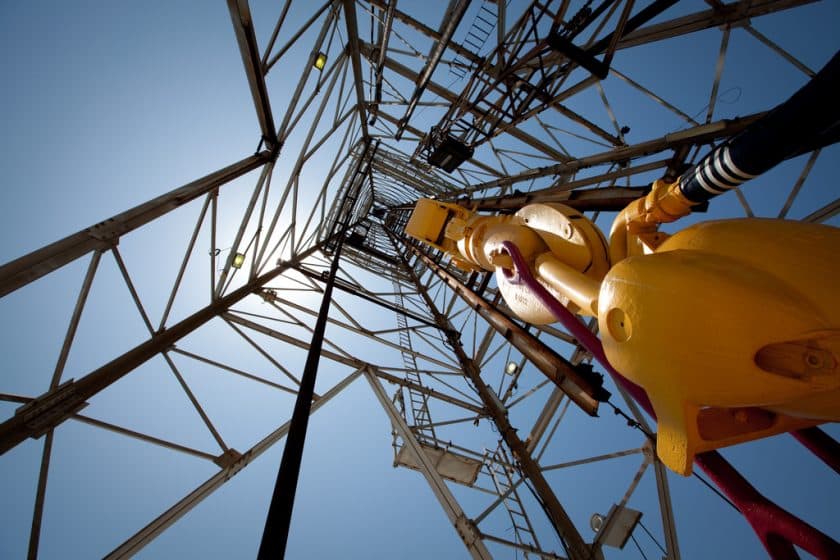
Saudi Arabia has resumed operations at the key East-West oil pipeline, which was damaged in a drone attack on 10 September and shut down shortly afterwards. Reuters reported this today, citing three informed sources. Oil exports from the Yanbu terminal on the Red Sea are expected to resume later today. Before the shutdown, the pipeline had a maximum transport capacity of seven million barrels of oil per day.
The East-West pipeline is currently an exceptionally important alternative route because it bypasses the Strait of Hormuz, which has been partially blocked as a result of US-Israeli attacks on Iran. For Saudi Arabia, it is therefore one of the main ways of getting Saudi oil to the global market without tankers having to pass through the Strait of Hormuz.
Two of the sources said oil was flowing through the pipeline in limited volumes. State energy company Saudi Aramco, which operates the facility, did not immediately respond to a Reuters request for comment.

Illustrative photo
The drone attacks forced Saudi Arabia to close the East-West pipeline, halting crude loading at the port of Yanbu.
The East-West pipeline, also known as Petroline, is around 1,200 kilometres long and runs from oil fields in eastern Saudi Arabia through the interior to the port of Yanbu. From there, Saudi oil can continue via the Red Sea, the Suez Canal and the Mediterranean to Europe, reaching European refineries.
Shortly after the pipeline was shut down, Saudi Arabia informed European customers that some oil deliveries scheduled for September loading would be cancelled. Polish company Orlen, which operates refineries including in Czechia, is also a significant buyer of Saudi oil.
Translation disclaimer
This article is a machine translation of the Czech original and has not yet been fully reviewed. In case of any doubt, please refer to the Czech version.
Sdílejte článek prostřednictvím:
You might also like
22 September 2026, 12:50

22 September 2026, 06:09
21 September 2026, 15:25