
23 October 2026, 14:38
Loading...
Slovakia and Hungary reject alternatives: They want oil only from Lukoil

Marek Kršák
5 August 2024, 11:11
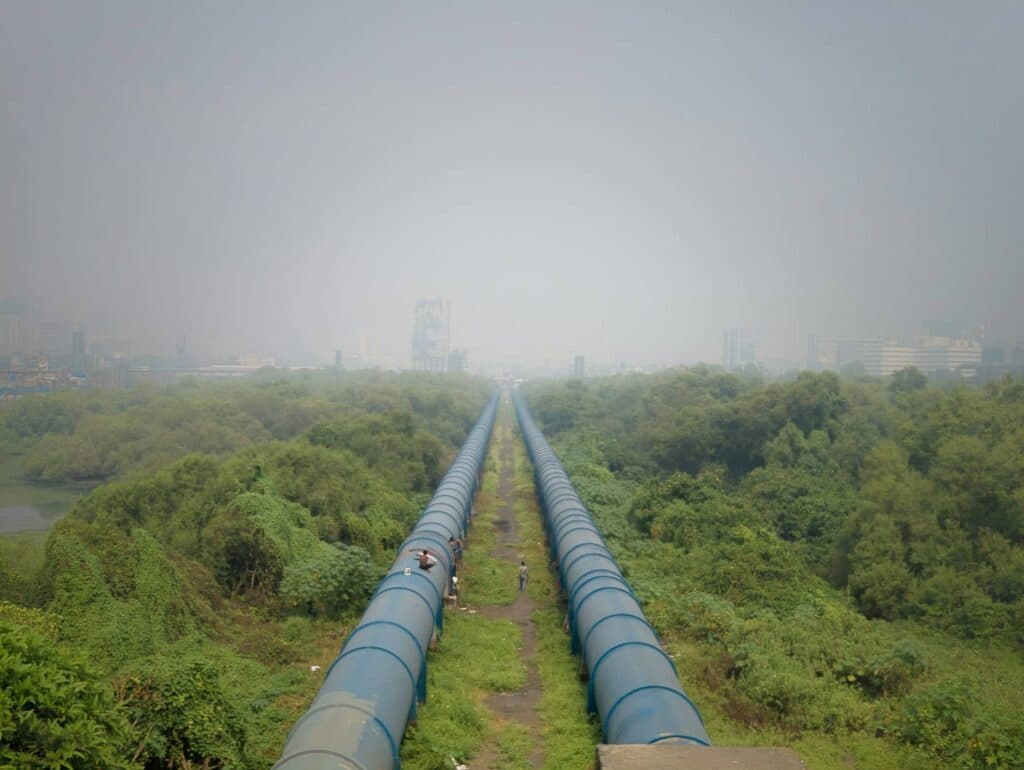
Slovakia and Hungary have been trying in recent days to resolve the problem with the transit of Russian oil through Ukraine. Both countries have turned to the European Commission with an urgent request to resolve the issue. The Commission responded by proposing an alternative oil transport route through Croatia, to which Slovakia and Hungary replied that the coastal country was an unreliable transit partner.
Supplies from Russia’s largest oil exporter, Lukoil, via Ukraine were halted in July after Ukrainian authorities banned Lukoil from using the Druzhba pipeline, which connects Russia with Eastern Europe. Hungary and Slovakia responded by sending a request to the European Commission to actively safeguard the security of their energy supplies.
The European Commission soon issued a statement saying that Ukraine’s sanctions on Russian oil producer Lukoil did not pose a significant risk to oil supplies to Hungary and Slovakia. This is because the sanctions do not directly affect the transit of oil through Ukraine to Hungary.
European Commission Vice-President for Trade Valdis Dombrovskis said in a letter to the foreign ministers of Hungary and Slovakia that, according to information received from Hungary’s MOL, oil becomes the property of trading companies at the Russian-Ukrainian border and is therefore not subject to sanctions.
The Commission also offered an alternative: importing Russian oil using spare capacity in Croatia’s JANAF Adriatic pipeline, although oil transported through the Adriatic infrastructure is not of Russian origin. Slovakia and Hungary, however, say they are not satisfied with this solution because Croatia, they claim, cannot be relied upon.
Hungary’s foreign minister commented on the matter as follows:
“Croatia simply is not a reliable transit country. The price of transporting oil through Croatia has increased fivefold since the outbreak of the war.”
It did not take long for Croatia to respond to the statement. Croatian Foreign Minister Gordan Grlić Radman described it as:
“...a deeply offensive political statement that we did not expect from a representative of a country whose inappropriate actions we have long responded to with extreme restraint and moderation.”
Slovakia said in this connection that the Slovnaft refinery (which belongs to Hungary) already receives some of its oil via JANAF. In addition, in light of the latest developments, the country received a letter from the Croatian government offering to secure supplies.
Slovak Foreign Minister Juraj Blanár, however, is taking a cautious approach to the letter, saying it does not specify in detail the terms under which oil would be imported into the country. The aim of Slovak foreign policy is for the Commission to put enough pressure on Ukraine to lead to the full restoration of flows from Russia. If that does not happen, the country will seek another solution. He did not specify what that might be.
Does the exception prove the rule?
The European Union responded promptly to Russia’s 2022 invasion by halting oil imports into its member states in an effort to wean itself off Russian fossil fuels. Hungary, Slovakia and the Czech Republic were nevertheless granted an exemption to find alternative routes to ensure a smooth and uninterrupted flow of supplies.
The problem is probably not the transit itself, as Russian oil is still flowing through Ukraine, albeit from suppliers other than Lukoil.
According to the European commissioner, Ukraine confirmed that the Lukoil oil flowing through Ukraine was already owned by other entities at this point in its journey and was therefore not subject to sanctions, raising questions about why the flow was halted.
Despite protracted negotiations over transit fees, Croatia’s JANAF and Hungary’s MOL managed to sign a one-year contract in May 2023 for the transportation and storage of 2.9 million tonnes of oil through the Adriatic pipeline to MOL’s Hungarian and Slovak refineries.
On Friday, Hungary also complained that Croatia had not invested in building capacity and had never substantiated the figure it gave for the maximum transit capacity of its pipeline. Croatia rejects the accusation and insists that it is continuously investing in its transport and storage system. The country says it tested its transport capacity on the section leading to Hungary together with MOL and duly demonstrated that it can transport 1.2 million tonnes of oil per month. An official statement also responded to claims of increased transit fees, saying that the information was untrue.
“JANAF is technically and organisationally ready to supply Central European refineries with enough oil to operate at full capacity. We therefore hope that, through open discussions and cooperation, we can find a satisfactory solution to continue our long-term partnership,” the statement said.
The sharp criticism of Ukraine by Slovakia and Hungary comes as both countries actively oppose military aid from Western allies to Ukraine in its fight against Russia’s invasion. Slovakia and Hungary have also recently strongly objected to Kyiv’s decision to add Lukoil to its sanctions list. They argued that this prevents them from buying Russian oil for their refineries, putting the security of oil supplies at risk.
Translation disclaimer
This article is a machine translation of the Czech original and has not yet been fully reviewed. In case of any doubt, please refer to the Czech version.
Sdílejte článek prostřednictvím:
You might also like


23 October 2026, 11:01


23 October 2026, 06:34