Venezuelan opposition urged US to revoke oil licenses to pressure Maduro

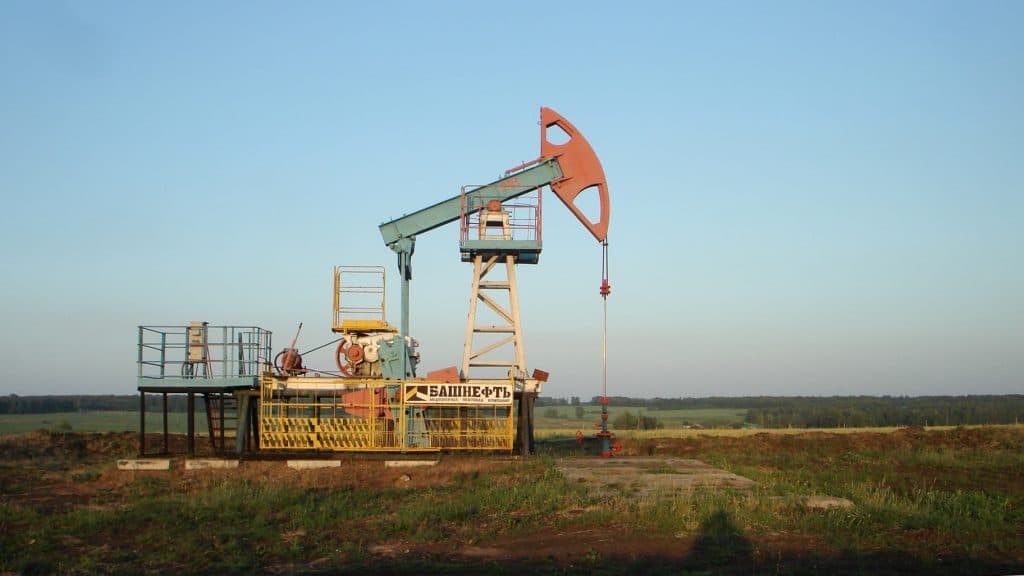
An adviser to Venezuelan opposition politician Edmundo González on Monday urged the United States to revoke licenses for oil production in Venezuela held by US company Chevron and other energy companies, thereby putting greater pressure on President Nicolás Maduro to negotiate a transfer of power. The Associated Press reported. The United States imposed sanctions on the Maduro regime in 2019, but later eased them.
“We want them (the licenses) to be revoked… they are a lifeline for (Maduro’s) regime,” Rafael de la Cruz said on Monday at a discussion hosted by the Council of the Americas (COA), based in New York.
He said the opposition has nothing against doing business with foreign oil companies, but their presence in the current situation normalizes Maduro’s “efforts to establish a dictatorship” in Venezuela.
The United States imposed sanctions on Venezuelan government officials and state oil company PDVSA in 2019 over human rights and democratic principles violations by the Maduro regime. It made easing the sanctions conditional on the government and opposition resuming dialogue on free elections. The opposition and Maduro’s government agreed on the election terms last October, prompting the United States to ease sanctions.
But Maduro’s government continued its repression of the opposition and, among other things, prevented opposition frontrunner María Corina Machado from running in the election. The US Treasury Department therefore announced in April this year that it would not renew the exemption from sanctions on the oil sector, although it allowed some US and European oil companies to continue doing business with PDVSA. Under the new rules, US and foreign energy companies must apply to the US Treasury Department for authorization to export Venezuelan oil. However, this does not apply to Chevron and some other companies that received special authorization to operate in Venezuela in 2022.
Chevron is the largest of the oil companies allowed to produce oil in Venezuela, and before the sanctions, the United States was the biggest importer of Venezuelan oil. The South American country has the world’s largest oil reserves, but in recent years, even before the sanctions, its production fell sharply because of the economic crisis and the prolonged poor condition of its refineries. The opposition accuses Maduro’s government of failing to invest in the maintenance and modernization of the refinery network and embezzling some public funds.
Maduro has been president since 2013 and greatly intensified repression of his critics after the opposition won a majority in parliament in the December 2015 elections. The government then began blocking the legislature’s work with the help of the Supreme Court and in 2017 created what was effectively its own parliament. Maduro won another term in the 2018 election, which much of the opposition boycotted as undemocratic. In January 2019, the opposition-controlled parliament refused to recognize Maduro’s mandate and named its speaker, Juan Guaidó, interim president. This then little-known politician managed to secure broad international support, but not the military’s backing, allowing Maduro to remain in power as the opposition again fractured and international support waned.
After the presidential election this July, several countries and the European Union called on Maduro’s regime to publish the full results. The government says Maduro won again. According to results from about 83 percent of polling stations published online by the opposition, González won. The prosecutor’s office issued an arrest warrant for him over the publication of the results and also began prosecuting Machado for conspiracy. Around two thousand people were arrested at post-election demonstrations demanding that González be recognized as the winner; they face lengthy prison terms under anti-terrorism legislation. Over the weekend, Maduro’s government also announced the arrest of three Americans, two Spaniards and one Czech citizen, whom it accuses of conspiring to remove Maduro, allegedly with the involvement of the opposition and Spanish and US intelligence services. Washington and Madrid denied the allegations.
Translation disclaimer
This article is a machine translation of the Czech original and has not yet been fully reviewed. In case of any doubt, please refer to the Czech version.