23 October 2026, 11:01
Loading...
WSJ: Russian government plans merger of Russia's largest oil producers

oEnergetice.cz, ČTK
11 November 2024, 14:05
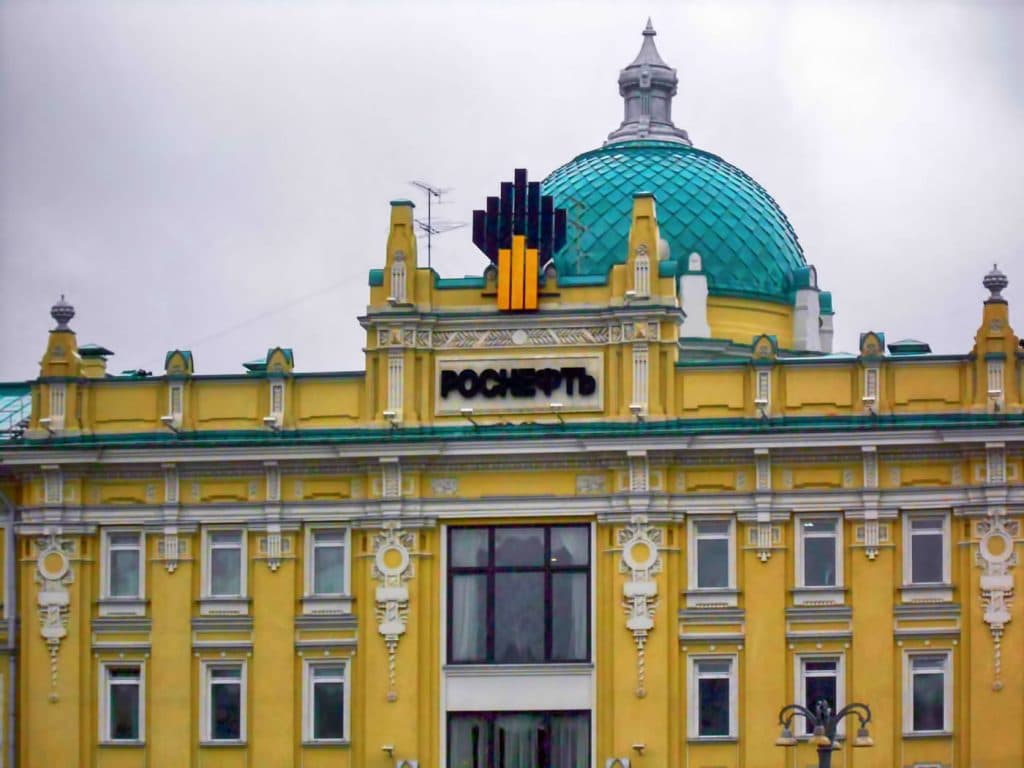
The Russian government is planning a merger of the country's largest oil companies. Citing sources familiar with the matter, the US newspaper The Wall Street Journal (WSJ) reported the news over the weekend. The resulting giant would be the world's second-largest oil producer after Saudi Arabia's Saudi Aramco, supplying almost three times as much oil as the largest US producer, ExxonMobil.
Combining the largest oil companies into a single national champion would strengthen President Vladimir Putin's influence over global energy markets and Russia's war economy, the US newspaper writes.
Under one scenario being discussed, state-backed giant Rosneft, run by Putin confidant Igor Sechin, would absorb fellow state-owned producer Gazprom Neft. It is a subsidiary of Gazprom, Russia's monopoly exporter of natural gas via pipelines. Rosneft would also take over privately owned Lukoil, WSJ sources say.
Executives and government officials have been negotiating for several months. The talks may or may not result in a deal. Details of any plan could also still change, sources told the newspaper.
Speculation about mergers and acquisitions regularly surfaces in Moscow and St Petersburg. But no major energy deals have been completed in the past decade. Obstacles include opposition from some Rosneft and Lukoil executives, as well as the challenge of raising the funds to buy out Lukoil shareholders, according to people interviewed by the US newspaper.
A Kremlin spokesman said he was unaware of the talks, a Lukoil spokesman denied them, and spokespeople for the other two companies declined to comment.
The new conglomerate could allow Russia to raise prices for customers in countries such as India and China. WSJ sources say Putin is seeking to bring the energy sector together through the merger to support his war effort. Some of those interviewed said the Russian president believes the country could compete with Saudi Arabia at a time when oil demand is declining as greener alternatives gain ground.
Oil and natural gas provide the Kremlin with almost a third of federal revenues and give Putin influence around the world. Russia's success in stabilising its economy in the face of Western sanctions is largely due to its oil industry, the US newspaper writes.
However, Russian federal budget revenues from the oil and gas sector are continuing to fall. In October this year, they amounted to 1.21 trillion roubles (about CZK 291 billion), compared with 1.64 trillion roubles in October last year, according to official data. The main reasons for the decline are lower oil prices and mounting pressure from sanctions, the Polish newspaper Rzeczpospolita reported. The West imposed sanctions on Russia in response to the invasion of Ukraine by Russian forces.
Translation disclaimer
This article is a machine translation of the Czech original and has not yet been fully reviewed. In case of any doubt, please refer to the Czech version.
Sdílejte článek prostřednictvím:
You might also like


23 October 2026, 06:34