
23 October 2026, 14:38
Loading...
Chernobyl – film, reality and the present – part 1
Vladimír Wagner
25 July 2019, 14:43
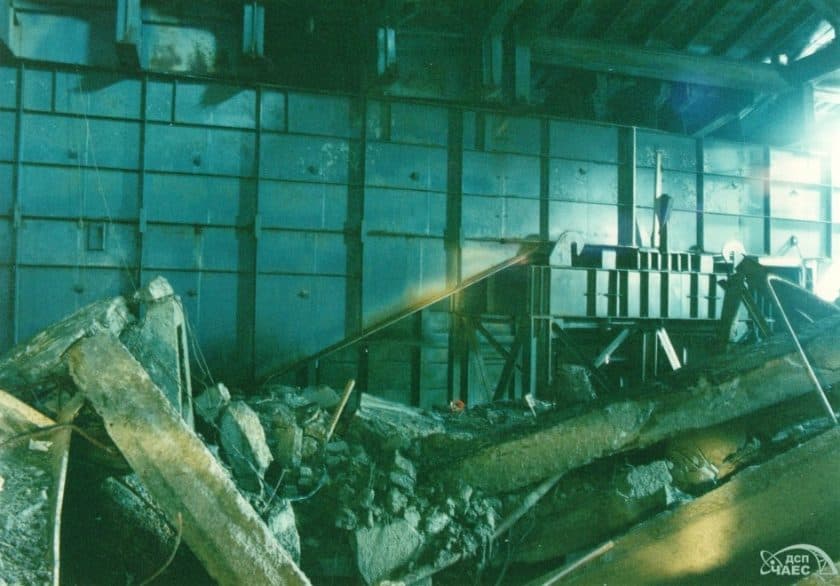
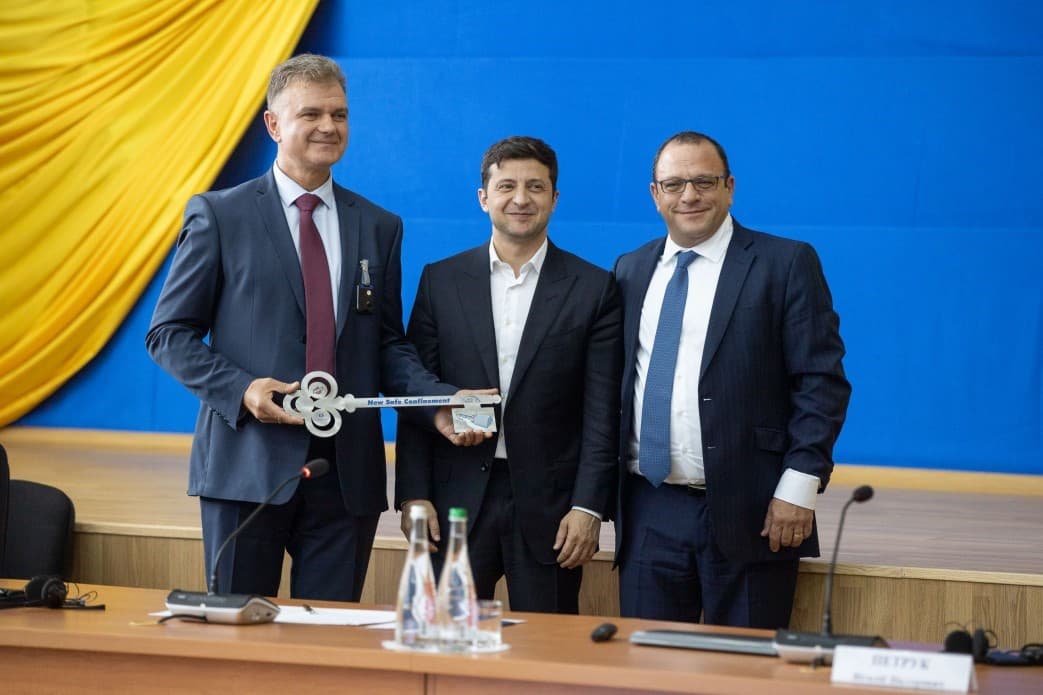
The Chernobyl series has generated unprecedented interest in the accident at this nuclear power plant and in the area concerned. It is not a documentary, but an artistic cinematic portrayal, so it naturally contains a number of simplifications and departures from reality. Let us attempt an overview of the most significant ones. The European Bank for Reconstruction and Development has now handed the new sarcophagus over to the Ukrainian government. Let us look at the progress of the region’s revitalisation, which is thus taking on ever more concrete contours.
I have focused on the subject of nuclear accidents for a long time. I wrote in detail about the events at Chernobyl in comparison with the Fukushima accident seven years ago. I then wrote about the path to revitalisation at the time of the 30th anniversary of the accident, when I was able to visit Chernobyl. I recently also published an article on the Chernobyl series, in which I promised that I would return in greater detail to the series and, above all, to an analysis of the current situation around the destroyed power plant. As I have already written, I liked the cinematic treatment of the Chernobyl accident in the series very much. I believe that one’s view of this work depends to a considerable extent on whether the viewer accepts that it is not a documentary, but a dramatic film work. In a film, what matters is not whether it contains certain inaccuracies, but whether it can convey the essence of the events, engage the viewer and remain cinematically appealing. I see this among my colleagues who are experts in the field, and it also appears among eyewitnesses and historians dealing with Chernobyl.
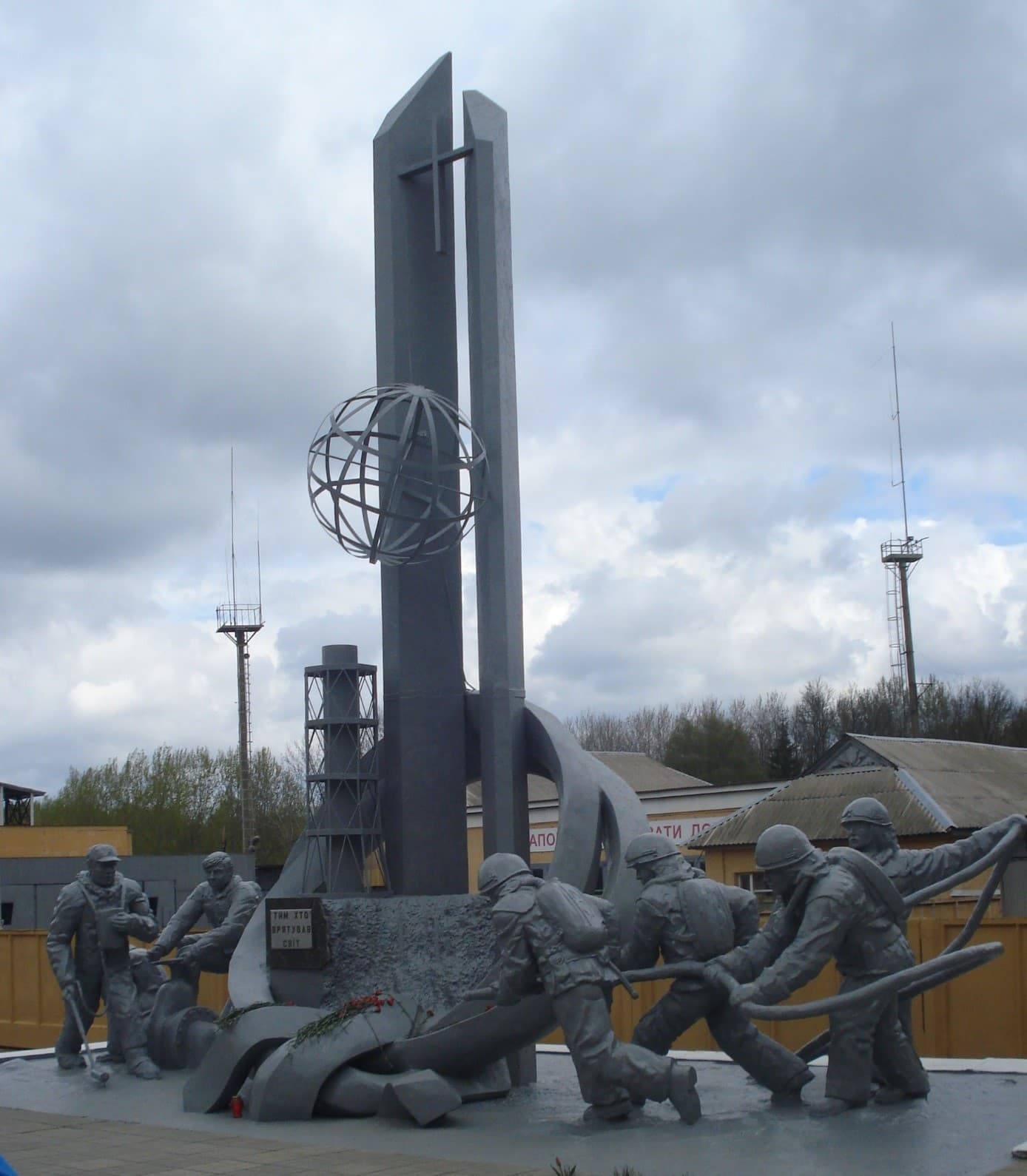
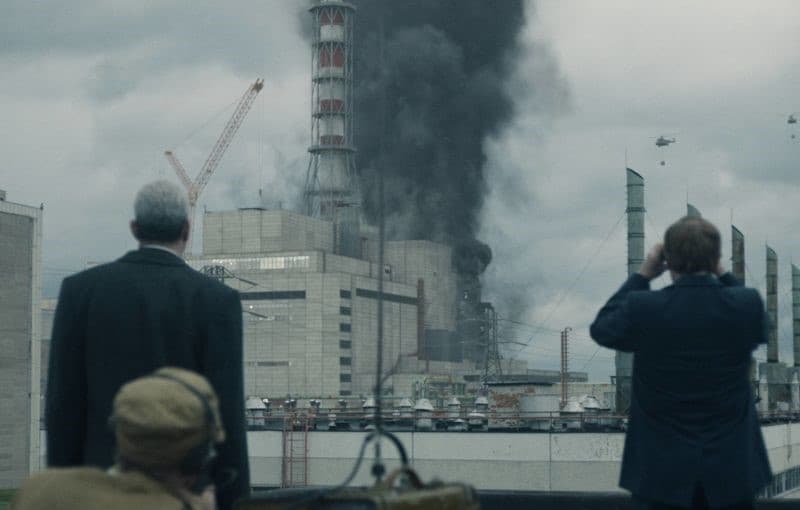
Eyewitnesses whose testimony and assessments have appeared have very often said that although the description in the series is not accurate and many things happened differently, the series perfectly captured the spirit and atmosphere of the events. Radio Free Europe, for example, published some recollections of eyewitnesses. Their positive view of the depiction of the atmosphere of those days was certainly aided by the creators’ effort to achieve the most faithful visual representation possible, often down to the smallest detail. A comparison of some photographs from the film and reality illustrates this beautifully.
By contrast, Anna Korolevskaya, an employee of the Chernobyl National Museum, was highly critical of the filmmakers’ work. They consulted her and she explained the details and historically accurate account of the events to them. Her criticism is precisely that they did not strictly adhere to documentary accuracy. I fully understand her, but in my view her criticism that the film does not maintain documentary accuracy is not entirely justified.
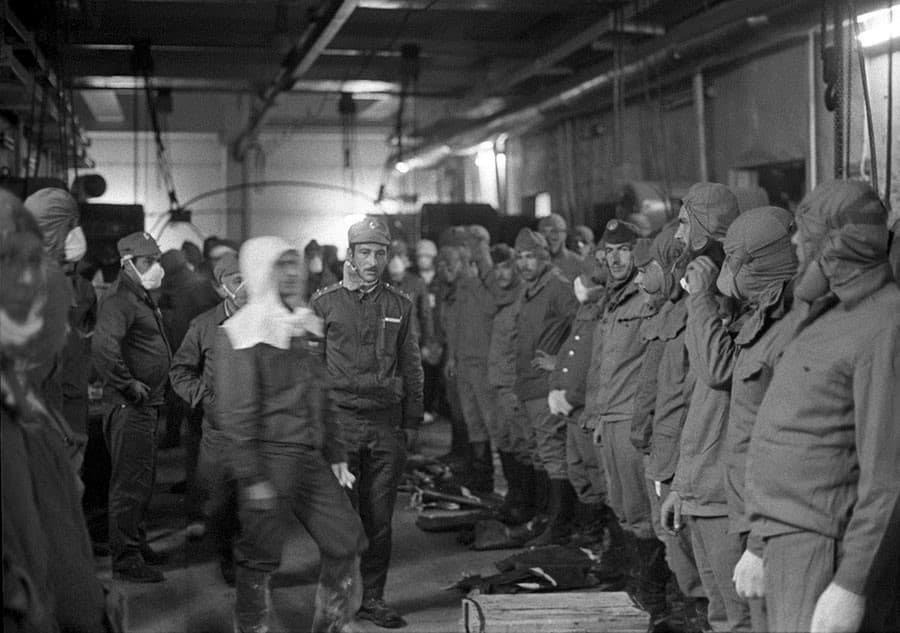
Some factual inaccuracies in the film
The inaccuracies can be divided into several groups. The first concern modifications that enable the relevant message to be conveyed to viewers. With an exact portrayal, the connections would probably have been less understandable to a lay audience. This group includes the depiction of the onset and course of radiation sickness. A firefighter who arrives at the scene of the accident and touches the remains of the ejected graphite moderator immediately develops burns on his hand. If these injuries were caused by radiation, they could not appear so quickly. They could appear immediately only if the graphite were incandescent. But a firefighter would not touch such material. That is something they account for in a fire, and he would not touch glowing objects. The context also shows that the creators meant radiation damage and that this is a cinematic device. Similarly, such visible radiation burns appear in the film on some other affected plant workers. In their case, however, the injuries and “scorching” can also be attributed to the effects of fire and hot steam. Even as the illness progresses, the actual effects are more likely to be internal injuries, which are not so clearly visible. However, the atmosphere, confusion, and the course of the first minutes and hours at the plant are mostly described very well. We can compare this with the earlier testimony of Alexander Yuvchenko, who survived and also appears in the film.
However, a number of effects were visually more dramatic than in the actual situation. This also applies to the beam of light emerging from the reactor. Alexander Yuvchenko does describe a bluish beam of light, but it would hardly have been visible from Pripyat. The intensity of Cherenkov radiation and radiation from ionised air would probably not have been sufficient for that.
Some events were shifted in order to convey the overall story and its message. The story focused mainly on the first days and weeks, and therefore did not portray the entire period of construction of the sarcophagus. The helicopter crash thus occurred half a year later than depicted in the film. It happened during construction of the sarcophagus on 2 October 1986, when the crew apparently failed to see cables hanging from a crane in the sunlight. It was therefore not a crash of a helicopter involved in the initial dumping of material into the exposed core of the reactor, and it had nothing to do with radiation. In my view, however, it was important to show the helicopter crash in the film, if only out of respect for the pilots who took part in assessing the scale of the accident and subsequently in its clean-up.
In this respect, I strongly recommend the excellent comprehensive account of aviation’s involvement at Chernobyl in Jakub Fojtík’s article, “Soviet aviation over Chernobyl”, in the first and second issues of this year’s ATM magazine. I would like to quote a passage which, based on eyewitness recollections, describes the beginning of the first flight intended to examine the situation from the air: “Even before take-off, the crew wanted to take their personal DP-3V and DK-50 dosimeters. Unfortunately, most of them were not operational and required battery replacement. Only the head of the chemical service, who could not be reached, could arrange their replacement. After some time, however, they managed to find at least two functioning instruments. After boarding the helicopter, the crew were supposed to put on special anti-radiation suits, but this did not happen. They had been designed for infantry troops and it was simply impossible to pilot a helicopter in them. At around quarter to ten (about 8 hours after the explosion), the Mi-8 lifted off the ground …” This extract also shows that a great deal of improvisation was needed even in the deployment of aviation, which the series also portrays.
The evacuation was not carried out as late as the film might suggest. Its course, beginning roughly 36 hours after the accident, was ultimately very effective and rapid, as the series also shows. There is an inaccuracy here too. The evacuation began before radioactivity was detected at the Swedish Forsmark plant 40 hours after the accident, and before the West learned of it.
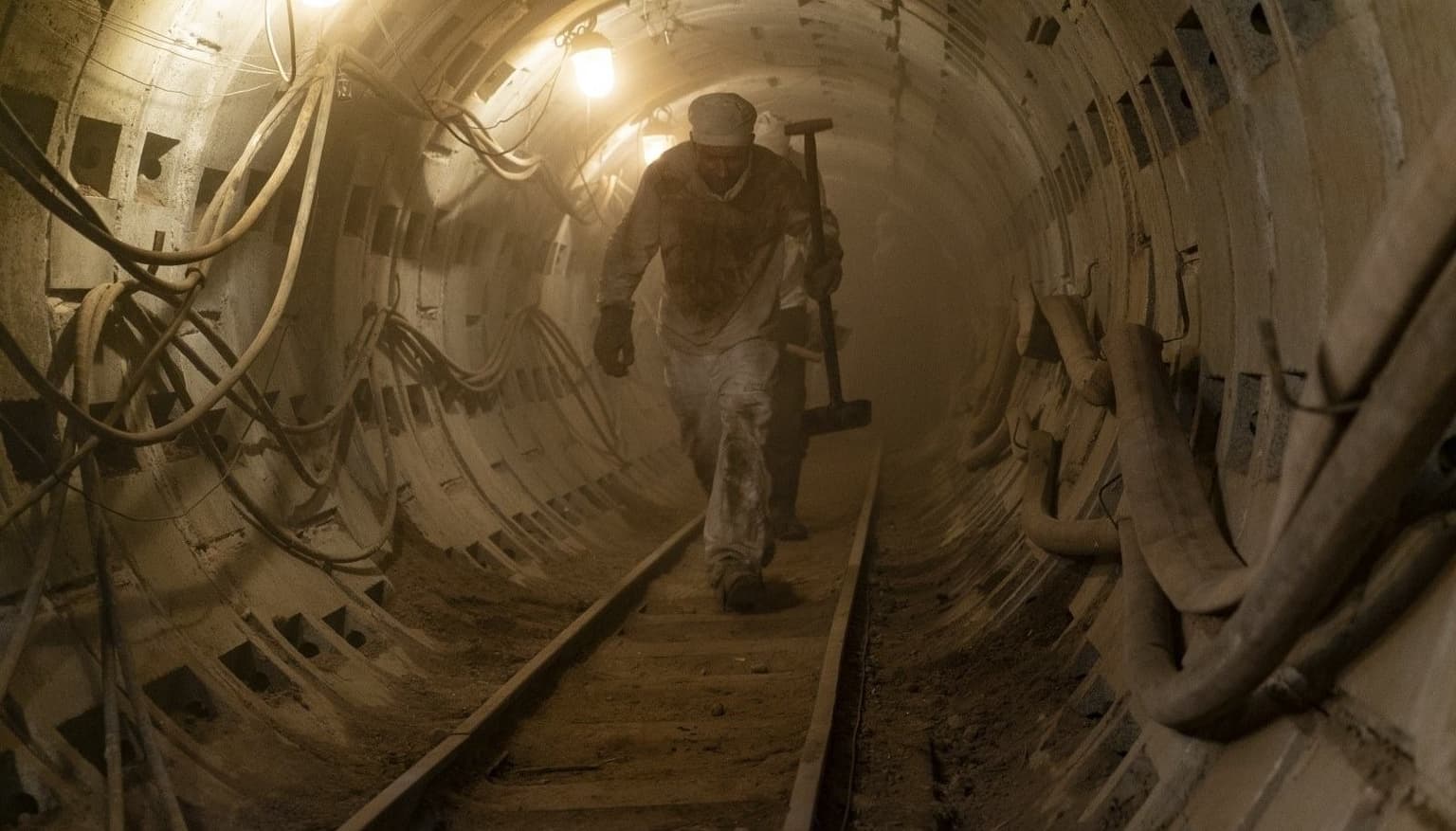
The account of the very first radiation measurement that detected an extremely high dose rate near the reactor is also not accurate. In the film, it is carried out by General Vladimir Pikalov using a specially adapted truck lined with lead. However, this vehicle arrived from Moscow only a day later. In reality, the measurement was carried out by members of the Kyiv National Guard regiment using a special shielded vehicle for radiochemical reconnaissance. It was also fitted with dosimetric instruments with sensors outside the vehicle. On 26 April, the day of the accident, they created the first radiological map of the area around the plant and found very high dose-rate values near the reactor, up to 14 Sieverts per hour. At first, nobody believed them. The measurement was conducted by Alexander Logachev, not General Pikalov.
According to the recollections of General Nikolai Tarakanov, it was not Legasov, as shown in the film, who first mentioned the need to use “biorobots” after robots failed on the roof, but someone else. Legasov was not even at the relevant meeting. Not only the general’s recollections linked above, but also others, are very interesting. Even after so many years, he remembers a large number of soldiers whom he commanded during this operation and who worked not only on the roof.
It was also an exaggeration that the miners involved in excavating the tunnel under the reactor, through which the area was to be frozen using liquid nitrogen, worked naked. They took off their respirators; there were probably cases in which some removed their shirts and perhaps went further, but it was not collective work in the nude.
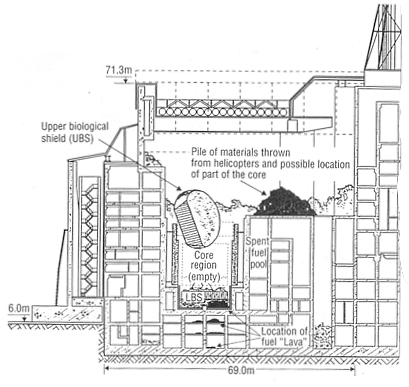
However, the film also contains a number of outright inaccurate descriptions of physical processes. For example, when radioactive radiation is spoken of as bullets. The consequences of a possible melt-through of the remnants of the core into the tanks beneath the plant were also greatly exaggerated. It certainly would not have amounted to 2 – 4 Megatonnes of TNT, as the series says. The effects of another steam explosion would of course have worsened the situation, but Europe would not have become uninhabitable. That is Hollywood dramatic licence. Similarly, the possible impacts of released radiation are exaggerated in some cases in the comments of certain characters. This also applies to the closing captions.
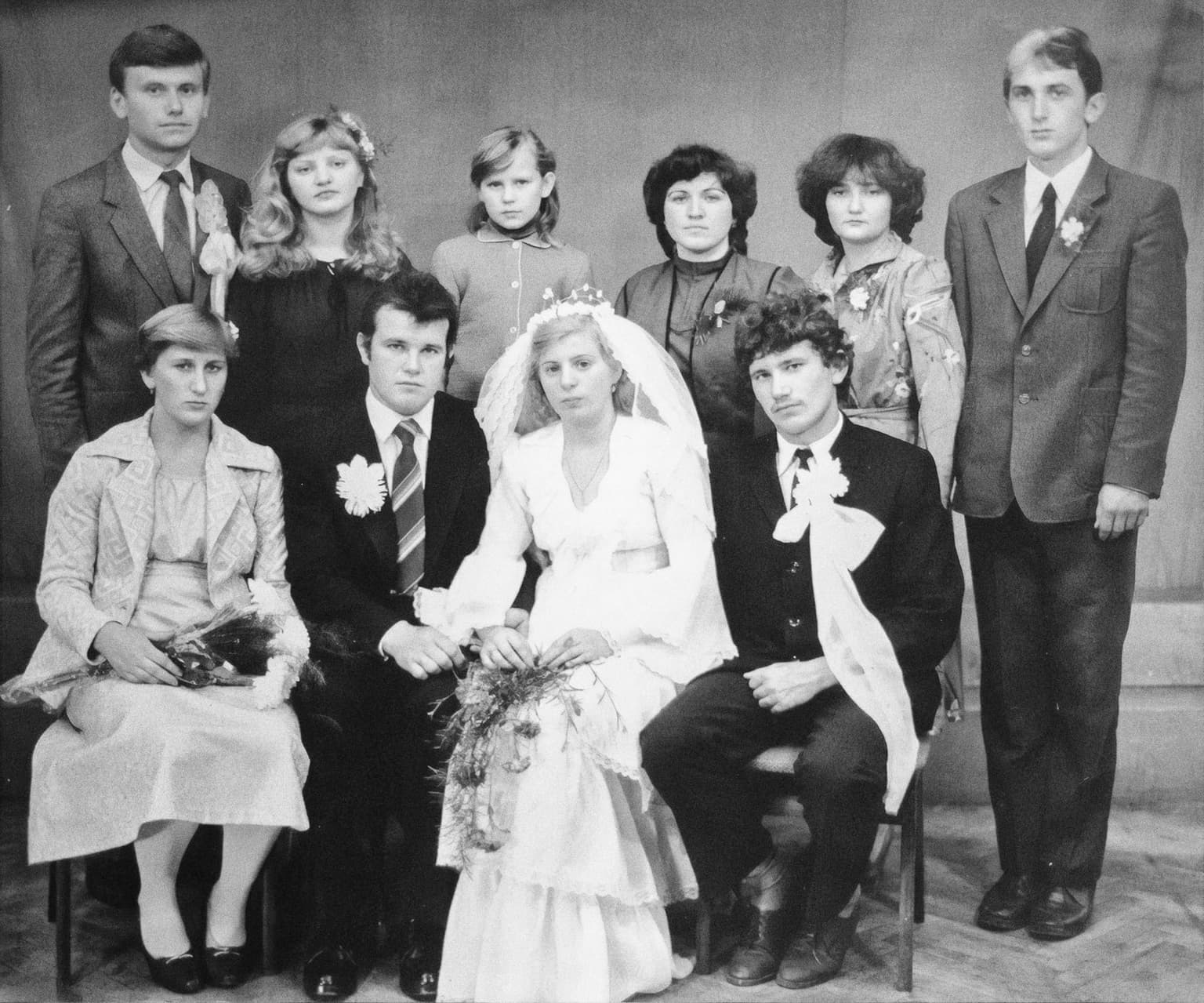
A film must show people’s stories
For a film to immerse the viewer, it must show the stories of individual people. Their number must be limited so that the viewer has an opportunity to identify with them, understand them or, conversely, condemn them. Within limited screen time, a large number of characters and events would also make the plot confusing. Therefore, the selection of characters must be narrower than in reality, and the actions of various unnamed people are often assigned to one individual. We have already seen this in the example of attributing the first radiation measurement at the reactor to General Pikalov. In the Chernobyl series, the principal such character is the fictional Belarusian scientist Ulana Khomyuk, who was intended to represent the scientists and engineers seeking to clarify the true causes of the accident.
The film, and especially the stories of some key characters, is heavily based on Svetlana Alexievich’s book “Voices from Chernobyl: The Oral History of a Nuclear Disaster”, which consists of interviews and memories of people affected by the accident. It should be noted, however, that any use of the testimony of witnesses and eyewitnesses to historical events gives us, to some extent, a subjective perspective. This may differ from another eyewitness’s subjective view. At the same time, there are numerous different and mutually contradictory sources concerning certain facts. The author of a work must therefore also adopt a certain subjective view and, where accounts from different sources differ, choose one specific version. This is the case, for example, with the Bridge of Death, from which residents watched the burning plant at the time of the accident. This is largely an urban legend of sorts, and it is very difficult to determine what, if anything, is true about it. Probably very little.
One of the most powerful stories on which the film focuses is connected with Chernobyl firefighter Vasily Ignatenko and his wife. In the film, Lyudmila Ignatenko cares for her dying husband in hospital. She touches him, and not merely by holding his hand. At the time, she was six months pregnant, which she managed to conceal from doctors. The film draws on her account in the book Voices from Chernobyl. It is therefore a question what doctors actually allowed her to do and what is shaped by her subjective perspective and memories. Other sources claim that she had to remain behind a screen and doctors did not allow her even to touch her husband. Vasily died on 13 May 1986. In the film, Lyudmila holds shoes in her hands at the funeral. The explanation again lies in Svetlana Alexievich’s book. Vasily’s feet were so swollen after his death that shoes could not be put on them. Their daughter Natasha, whom she gave birth to two months after his death, had a congenital heart defect. Lyudmila expresses the view that the child took on the largest share of the radiation and saved her. It should be said that radiation was not very likely to have been behind this event. It is difficult to establish the actual cause of the heart defect. However, the impact on the pregnancy of the terrible tragic events she endured, which must have had dramatic consequences for her psyche, is unquestionable.
What I believe was missing from the series was the account that the heroic work of doctors and the care of medical staff managed to save around 80 % of those affected by radiation sickness. Many of them are still alive today, and some have healthy children born after Chernobyl. The methods used included bone marrow transplantation. Vasily Ignatenko received a transplant from his sister, but unfortunately it was not successful in his case. The explanation of the screens around patients as protection of staff or visitors from radiation was somewhat misleading. In this case, they were rather intended to protect patients whose immunity had been dramatically reduced.
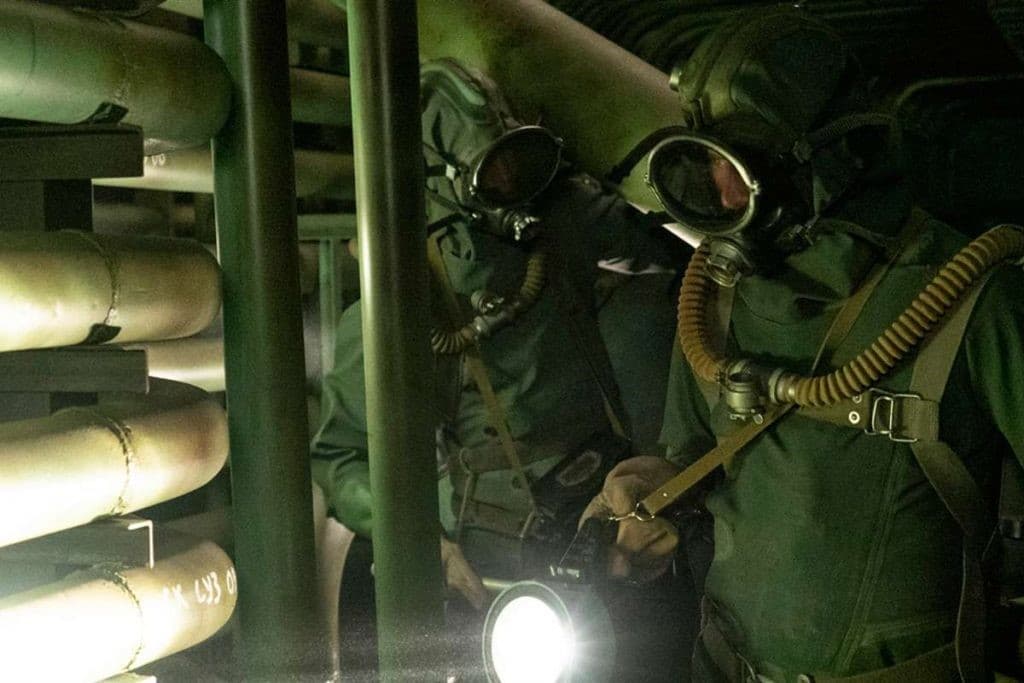
Very evocative scenes in the series are linked to the journey of three workers, Alexei Ananenko, Valery Bespalov and Boris Baranov, wearing diving suits into the underground area to open valves and enable the tank beneath the reactor to be drained. In the series itself, this mission is portrayed as suicidal and, even after all three return safely from underground, the possibility of their sacrifice is left hanging in the air. Only in the closing captions is it explained that all three survived. Two of them, Alexei Ananenko and Valery Bespalov, are still alive; Boris Baranov died in 2005, but his death was unrelated to the consequences of Chernobyl. The series thus recalled a situation in which many sources and numerous places on the internet reported the deaths of all three, while it was very difficult to establish the real situation. According to the film, they used mechanical flashlights, with the constant cranking of a dynamo to provide enough light adding drama. According to some sources, however, they made the journey in darkness and navigated by touch, using pipes. That would have been much harder to depict in a film. The film portrays the scene of their selection differently from how it actually happened. In reality, it was the shift responsible for that part of the plant at the time, and thus one with the necessary knowledge of it. More detailed analysis also showed that the tank was not so full and that even a core melt-through would probably not have caused a catastrophic explosion. None of this, however, diminishes the heroism of the three men.
Alongside Valery Legasov, one of the main characters of the series was Boris Yevdokimovich Shcherbina, who served as deputy chairman of the Council of Ministers from 1984 to 1989. In that capacity, he was entrusted with managing the crisis caused by the accident at the Chernobyl nuclear power plant. In 1988, he also led crisis management of rescue operations after the earthquake in Armenia. He died in Moscow in 1990. It should be said that there are probably many differences between reality and the film in his character as well. Some eyewitnesses, for example, state that he was not gruff and did not intimidate people. Rather, they speak of him as a calm man. They consider it unlikely that he would have threatened to throw Legasov from a helicopter. He had worked for a long time in the oil and gas industry in Siberia, so he had good knowledge of energy. However, he had only limited knowledge of nuclear technology and physics. Legasov really had to educate him in this area. It is also true that, unlike in the film, he was not actually tasked with procuring liquid nitrogen for the planned freezing of areas beneath the reactor. This task was assigned to plant director Viktor Petrovich Bryukhanov.
Who was to blame for the accident?
Besides the communist regime, the principal negative figures in the work were Anatoly Stepanovich Dyatlov, Viktor Petrovich Bryukhanov and Nikolai Fomin. Dyatlov was deputy chief engineer and led the experiment that caused the accident, Bryukhanov was the plant director and Fomin was chief engineer. The series also shows that they bore a major share of responsibility for the accident, but were not its only cause. We will return to this shortly. Some eyewitnesses express the view that they were not as negative as the series portrays them.
The final episode describes their trial and is purely cinematic. In reality, it did indeed take place in Chernobyl, but it lasted much longer and neither Legasov nor Shcherbina attended it. Legasov, for example, was at that time in a Moscow hospital, where he attempted suicide. He therefore could not have delivered a fiery speech at the trial. In this case, the creators were most likely inspired by his very candid speech in Vienna at the International Atomic Energy Agency. They may have used some passages and explanations from there. The main aim of the cinematic treatment is to explain the social and technical causes of the accident as well and as comprehensibly as possible for a lay viewer. There are simplifications and inaccuracies here too, but in my view the result is truly highly successful.
The fundamental causes of the accident at Unit 4 of the Chernobyl nuclear power plant were well described in the fifth episode of the series, and there are many very detailed analyses not only on the internet. They make it clear that the accident resulted from the concurrence of a whole range of causes which would not individually have led to catastrophe. The shift led by Dyatlov began the experiment at a highly inappropriate time and, in pursuing it at any cost, violated a number of safety prohibitions and rules. Had it followed them, the accident could not have occurred.
At the same time, however, the reactor design had several weak points. These were known, and the aforementioned safety rules for operating the RBMK reactor rested on that knowledge. The principal issues were operating instability, manifested at low-power modes, and the subsequent increase in reactivity caused by inserting a fully withdrawn control rod. The problem was that the design and operational experience of RBMK reactors were subject to a considerable degree of secrecy.
The reason was that this design had emerged by enlarging and modifying an originally small reactor that could be used for plutonium production. In the 1960s and 1970s, the Soviet Union needed to rapidly multiply electricity generation for its developing industry and the needs of the population. The RBMK reactor was a simple and inexpensive solution. VVER pressurised water reactors were more demanding and more expensive. It was precisely the high degree of secrecy that meant operators and workers at other plants operating RBMK units knew nothing, or very little, about the accident that occurred on 30 November 1975 at Unit 1 of the Leningrad nuclear power plant. They therefore knew the operating rules for this reactor type and its prohibition for certain operating modes, but did not fully understand their reasons.
I would therefore like to clarify two aspects that may not be explained in such detail in other articles about the series and the Chernobyl accident. The first concerns the design of control and emergency rods. This technical cause arising from a design flaw is analysed by the film’s Legasov in the final episode. Control rods contain boron, which absorbs neutrons very effectively. When they are withdrawn, neutron absorption decreases, the reactor’s neutron balance improves and its output rises. When they are inserted, conversely, more and more neutrons are absorbed, the fission chain reaction is suppressed and output falls. To maintain stable conditions after rods were withdrawn, avoid worsening the neutron balance and displace water from the channel, the rods had graphite tips, as graphite was used in the reactor as a moderator. This was not a problem; on the contrary, the core configuration and its operation accounted for it. However, when fully withdrawn, these graphite sections extended approximately halfway into the core. Thus, with a rod fully withdrawn, its absorbing section is outside the core, the graphite extends halfway into the core, and the rest of the channel is filled with water. The problem arises when the rod begins to be inserted, displacing water. Graphite absorbs fewer neutrons than water, and especially in the lower part this improves the neutron balance and raises output. This continues until the water is displaced and absorption by the rod’s absorbing section also begins to predominate. If a large number of control rods had not been fully withdrawn, this increase would not be critical and would not lead to an accident. However, a large number of rods in the upper position could be dangerous, which is why this operating mode was prohibited. Withdrawal of all control rods, together with the other circumstances that occurred at Chernobyl and are described in the series, inevitably led to catastrophe.
The second important aspect is the accident at Unit 1 of the Leningrad nuclear power plant. It took place at a time of intense secrecy. It has not only a number of outward similarities to the events at Chernobyl, but also a number of differences. The accident also occurred at night, only one turbine was operating, and the reactor was at half power. Here too, operator error caused output to fall to zero and they immediately attempted to restart the reactor. However, this event occurred during reactor start-up rather than shutdown. Let us briefly consider its course according to the book by B. S. Prister and co-authors, The Safety Problems of the Nuclear Power the Lessons of Chernobyl, NAAS of Ukraine, Chernobyl 2016. On 30 November 1975, Unit 1 of the Leningrad nuclear power plant commenced operation and reached 80 % output. At that time, problems with a turbine caused it to be shut down, leaving only one turbine in operation and reducing unit output to 50 %. The unit was handed over to the night shift in this state. Its task was to resolve the turbine problems and commence operation at nominal output. Work on the turbine continued until two o’clock in the morning, when the second turbine also tripped and emergency protection shut down the reactor. The reactor thus entered a state of xenon poisoning, intense neutron absorption and poor neutron balance, similarly to what later occurred at Chernobyl. After rectifying the turbine deficiencies, the operators did not wait for the iodine pit caused by xenon poisoning to clear and started the reactor. When they reached 20 % of nominal output, xenon-induced power oscillations began in the reactor. During these, output, temperature and neutron balance changed in different areas of the core. This threatened overheating and damage to fuel assemblies or other core components. The operators attempted to address the situation by manipulating the control rods. However, this was unsuccessful and the automatic emergency system ultimately shut down the reactor. One channel melted and surrounding channels were damaged.
Information about this accident, its causes and the proposed measures resulting from its investigation were classified, and employees at other plants with RBMK units, including Bryukhanov, Dyatlov and Fomin, knew nothing about them. Only after the Chernobyl accident were the necessary modifications made, including changes to the ends of control rods, the addition of neutron absorbers and increased enrichment of fuel assemblies, which resulted in greater reactor stability at low output. Automatic shutdown and other safety mechanisms were also accelerated. This delay in implementing measures and the secrecy were also among the key causes of the Chernobyl catastrophe.
Bryukhanov, Dyatlov and Fomin were ultimately convicted and received ten-year sentences. Three other employees were also convicted in the actual Chernobyl trial: Yuri A. Laushkin, Boris Rogozhkin and Alexander P. Kovalenko. Laushkin was an inspector and received two years for negligence. Rogozhkin was shift supervisor of the fourth reactor and received a total of seven years for negligence and breaches of safety regulations. Kovalenko received three years for breaches of safety regulations.
Dyatlov was released halfway through his sentence because he suffered health problems as a result of severe radiation exposure. He never publicly acknowledged responsibility and placed all blame on the reactor design, its creators and the conduct of party officials. He died of heart failure in 1995. Bryukhanov also served half his sentence and was released early on health grounds. In an interview in 2006, he admitted that a number of operational errors had been made during the experiment, but placed the greatest blame on the state. He subsequently lived in Kyiv. Fomin attempted suicide before the trial. He broke his glasses and tried to cut his veins with the sharp ends of the frames. He too served roughly half his sentence, including three years in a psychiatric hospital after suffering a mental breakdown. After his release under an amnesty, he worked at the Kalinin nuclear power plant.
It should be noted that although weaknesses in the RBMK reactor design and the accident at the Leningrad plant were largely kept secret, they were known among experts. The probable cause of the accident was therefore understood relatively soon. Legasov himself was one of the reactor’s designers and until then was tied to the system. In this respect, Dyatlov was partly right in his criticism. A number of portrayals of the workings of the communist regime in the film were not accurate, and some elements corresponded more to the Western viewer’s and Hollywood creator’s idea of it. Yet the atmosphere of the period can be felt from the series.
I therefore believe that the concurrence of social and technical failures is depicted very well in the series, and that the need not to conceal reality and the truth is its strongest message. Facts and technical reality will ultimately emerge despite even the greatest concealment and secrecy.
Growing interest in Chernobyl’s history
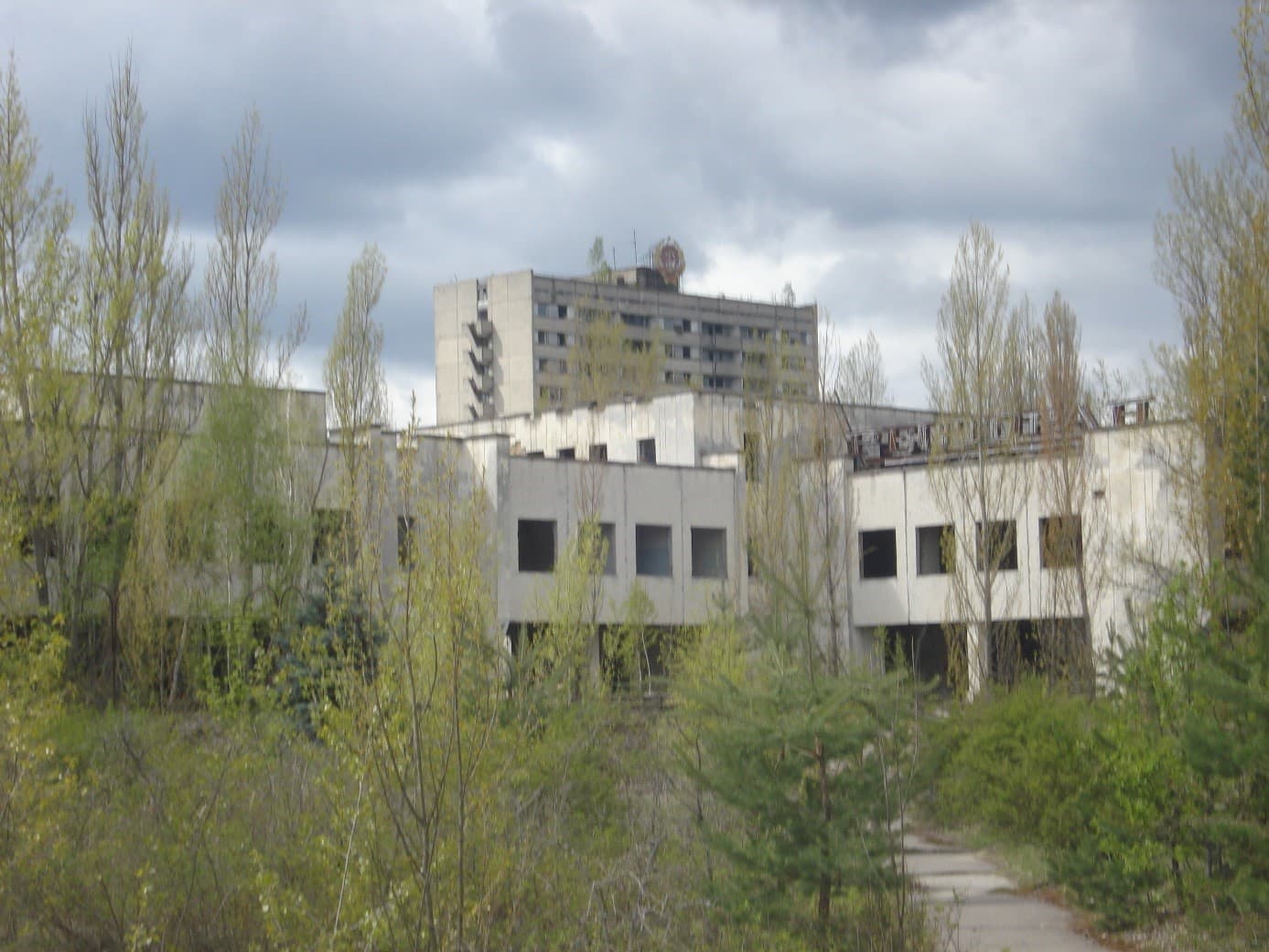
The series has contributed to a major increase in interest in the subject of the Chernobyl accident. Journalists are trying to trace participants in the events and interview them. Numerous recordings of interviews with eyewitnesses and their recollections are appearing. This is very important for preserving memory, not only for future historians. A unified electronic archive of materials published about the accident at the Chernobyl plant, recently created in Russia, may also help. It is an effort to collect and digitise as many documents as possible from various archives.
There is also interest among tourists and others in sites connected with the accident. Tourism to Ukraine has increased sharply, not only to the area around the plant but also to Kyiv. Since 15 July 2019, it has therefore been possible in Ukraine’s capital to take a four-hour excursion around sites connected with the accident, or merely with filming of the series, that appeared in the series. The series could thus help increase Ukraine’s appeal as a tourist destination and improve the country’s economic situation. It would help revitalise the affected areas and raise the standard of living of the people in them. In this respect, changing the status of the territory and its reconstruction are very important.
The article will continue in part 2.
Translation disclaimer
This article is a machine translation of the Czech original and has not yet been fully reviewed. In case of any doubt, please refer to the Czech version.
Sdílejte článek prostřednictvím:
You might also like


23 October 2026, 11:01

23 October 2026, 06:34