Audit of measures in response to the gas crisis: unclear benefits of joint gas purchasing
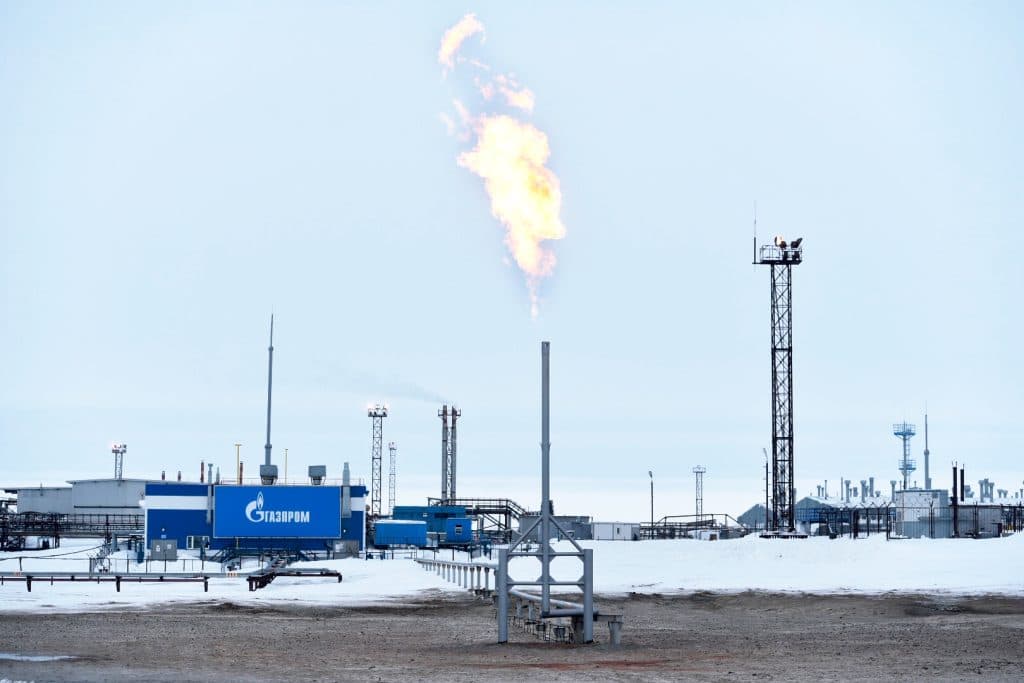
The European Court of Auditors published a special report on 24 June on security of gas supply in the EU. The auditors concluded that EU measures adopted in response to the 2022 gas crisis helped member states respond to the crisis, but the impact of some measures cannot be demonstrated. This also applies to the platform for joint gas purchasing, reports Euractiv.
Russia’s invasion of Ukraine caused an energy crisis in Europe and drove up energy commodity prices. The EU imports more than 80% of the natural gas it consumes, with imports from Russia accounting for 45% of the total in 2021. The gas crisis therefore tested Europe’s framework for security of gas supply and led to temporary measures and increased reliance on liquefied natural gas.
Measures adopted in response to the gas crisis:
- Filling storage facilities to 90% by 1 November - the measure remains in force until December 2025
- Voluntary reduction in gas consumption by 15% compared with the average over the previous 5 years - the measure was in force until March 2024
- Gas price cap – EUR 180/MWh - the measure remains in force until December 2025
- Joint gas purchasing – establishment of the AggregateEU platform (equivalent to 15% of EU storage capacity)
The European Court of Auditors has now assessed these measures, and its audit for the European Commission did not produce very positive findings.
Despite the significant rise in prices, the EU was fortunate not to experience a major gas shortage, said João Leão, the auditor responsible for the report assessing the EU’s response to the crisis. Leão said that while the EU secured sufficient natural gas, it fell short in two areas: affordability was not a priority, and the Commission failed to plan for the long term.
“The Commission knew as early as 2014 that an interruption to Russian gas supplies would have a huge impact on prices, but it never modelled the effects on consumers or industry,” he said at a press conference marking the report’s publication.
By the end of 2023, the EU had successfully reduced its dependence on Russian gas and stabilised prices at around EUR 45/MWh, twice the pre-crisis level. Although the Union faces new challenges linked to increased reliance on liquefied natural gas (LNG) and the need to decarbonise, its efforts to secure gas supplies and foster cooperation between member states have been uneven, and some key objectives have not been achieved, the audit found.

The impact of many measures cannot be assessed, and some have failed
The EU managed to diversify its supplies, but the audit says the actual impact of other measures adopted cannot be adequately assessed. The reduction in EU gas consumption cannot convincingly be linked to the 15% demand-reduction target, as it may have been driven by the sharp rise in prices. The auditors also noted that the increase in the amount of gas stored ahead of winter reflected historical trends instead.
The joint gas purchasing measure, AggregateEU, which the Commission views more positively, came in for particular criticism. The mechanism was intended to allow buyers to pool their purchasing power and negotiate lower prices. However, the auditors found no added value in the mechanism compared with existing market practices and were unable to identify a market failure that AggregateEU addressed.
The system attracted considerable interest from buyers, who indicated demand for gas equivalent to 50% of the EU’s storage capacity. However, the Commission did not have access to the supply contracts, so it is not known how much gas was actually secured through the platform.
Another framework measure is the so-called solidarity mechanism, which aims to strengthen regional cooperation between member states. EU legislation requires countries to share gas supplies with their neighbours during emergencies. In practice, negotiating bilateral agreements to facilitate sharing has proved difficult.
Furthermore, although the regulation requires regular reporting on risk prevention and response, many member states failed to meet this requirement in 2019. Around 18 EU countries had not completed their gas supply security reports before the crisis, and two member states had submitted nothing, the auditors found.
The system for selecting projects of common interest—key cross-border infrastructure projects intended to help the EU achieve its energy security and climate goals—received a similar assessment: it was found to be non-transparent and complicated, with unclear results.
In conclusion, the audit recommends that the Commission complete the framework for gas affordability in the EU, streamline member states’ reporting processes on security of gas supply, and redesign the regional cooperation structure to improve the effectiveness of preventive measures and risk response. It also proposes increasing transparency in the implementation of projects of common interest in the energy sector.
Translation disclaimer
This article is a machine translation of the Czech original and has not yet been fully reviewed. In case of any doubt, please refer to the Czech version.