Canada wants to diversify its oil exports. Carney has taken an important step
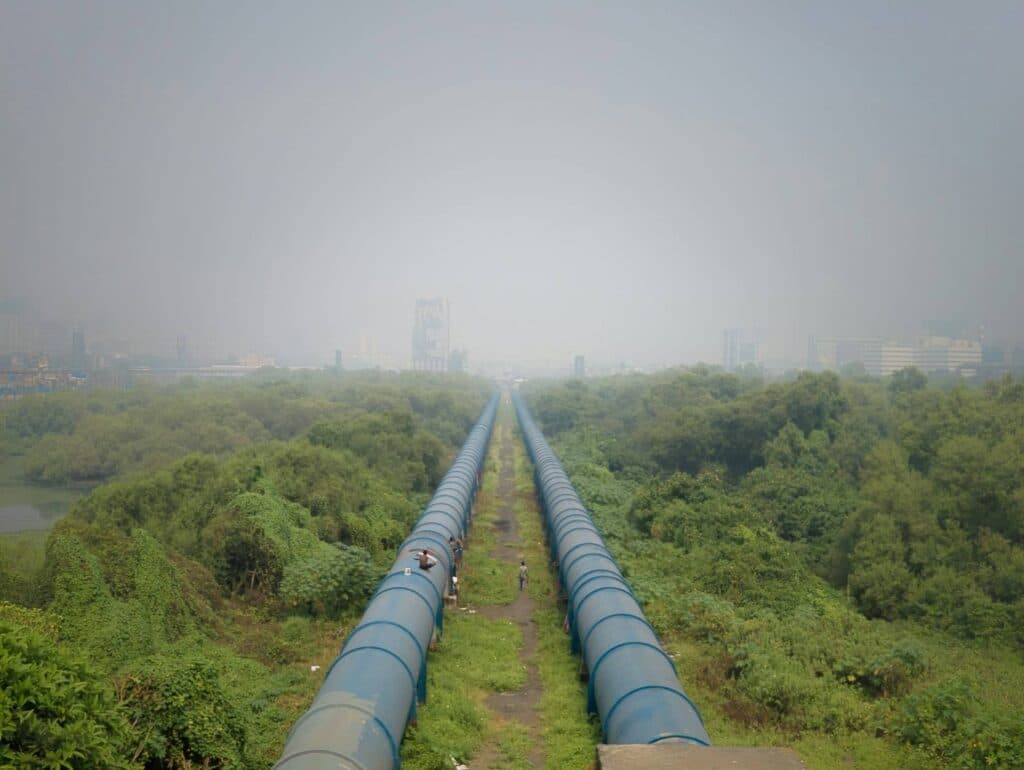
Canadian Prime Minister Mark Carney and Alberta Premier Danielle Smith have signed a memorandum of understanding that paves the way for a new oil pipeline. The pipeline is expected to be 1100 km long and carry oil from the province’s interior to Canada’s west coast, from where it will be shipped to Asian markets. The exact details are not yet known.
Alberta is one of Canada’s provinces where the fossil fuel industry plays a major role. According to some data, as much as 90 % of Canadian oil comes from the province. Alberta owes its wealth chiefly to the vast deposits in the north of the province. One pipeline already runs to the west coast, but most Canadian oil is exported to the United States—in 2023, the share was as high as 97%.
Carney and the United States
Prime Minister Carney, whose party won the election this April in a somewhat surprising result, probably in part thanks to his relatively forceful stance against the current U.S. leadership, will have a hard time getting the pipeline built. As in the past, environmental groups and, above all, Indigenous peoples—who have special rights over the territory the pipeline would have to cross—have opposed the project.
Carney has a history as a supporter of environmental policy: as a banker, he helped establish the “net-zero banking alliance”. But his government’s latest moves suggest that diversifying exports away from the U.S. is the priority, even if it means weakening environmental commitments.
Since taking office, he has gradually been “wooing” the oil industry in Alberta. He suspended planned restrictions on emissions from oil and gas that had been prepared by his predecessor from the same party. Some policies supporting electric cars have also been put on hold. Almost immediately after being re-elected, Carney openly said that new pipelines to reduce reliance on the U.S. were “on the table”. Now it looks as though he is moving his plans to the next stage.
Under the memorandum, emissions generated by the pipeline will be offset through the “Pathways Alliance” project. This is a carbon capture project costing just under USD 12 billion. Alberta has also pledged to cut methane emissions by 75%.
But is it possible?
Pipelines and the oil industry are among the main divisive issues in Canadian society. Politicians—especially those from the governing Liberal Party—approach them cautiously, but often opt for pragmatism. Canada has already seen opposition to similar projects. Environmental groups and Indigenous representatives have opposed the plan from the outset. According to the Financial Times, the chair of the First Nations’ Great Bear Initiative and chief of the Heiltsuk Nation said: “We will never allow our coast to be exposed to the risk of a catastrophic oil spill… This project will never happen.”
The project is therefore likely to face lawsuits over the infringement of Indigenous peoples’ rights as well as its environmental impact. Canadian environmentalists also have a tradition of both passive and active resistance to such projects, including civil disobedience—for example, a series of protests against proposed new gas pipelines took place in 2020.
The premier of British Columbia (which any such pipeline would have to cross) has also spoken out against any such construction. In response to the project, Carney’s culture minister also resigned from the cabinet, saying the government had not consulted First Nations and that the project would harm the environment.
Translation disclaimer
This article is a machine translation of the Czech original and has not yet been fully reviewed. In case of any doubt, please refer to the Czech version.




