
23 October 2026, 14:38
Loading...
EU unveils way to mitigate carbon tariff impact on developing economies
Klára Čeperová
21 October 2025, 11:34
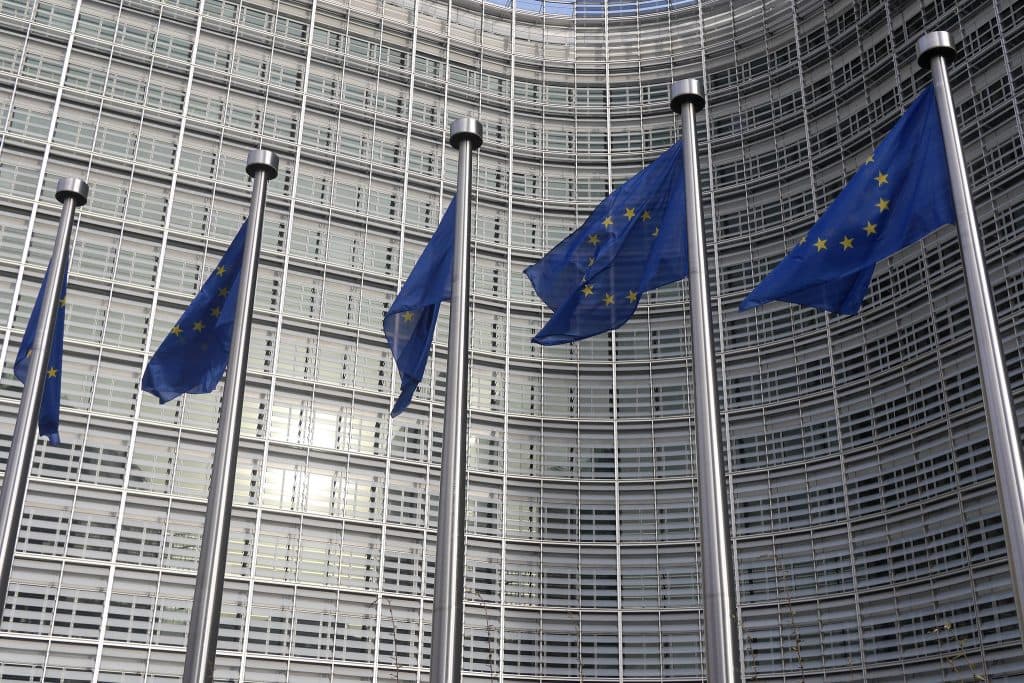
The European Union will support countries affected by the carbon tariff. The funding is intended to go towards cutting emissions and transitioning to a green economy. The report was published by Reuters.
The European Commission has set out the EU’s priorities for climate and energy diplomacy. One of them is support for developing countries that will be affected by the introduction of the so-called Carbon Border Adjustment Mechanism (CBAM), or carbon tariff, which will take effect next year.
Under the “Global Europe” programme, which provides European funding to developing countries, €200 billion is to be allocated from the EU budget for the 2028–2034 period.
“As CBAM is gradually introduced, we intend to maximise Global Europe’s contribution to developing countries’ needs in the areas of decarbonisation and adaptation,” the document says.
CBAM, which will apply to goods imported into the EU, including steel and cement, has long faced criticism from trading partners, including Brazil, South Africa and India, which say it penalises developing economies.
“This would help address concerns raised about EU legislation and strengthen partnerships and support for broader regulatory reforms,” the document says.
The funding could help developing countries invest in cutting emissions in industry and energy, which would reduce their costs under the EU carbon levy.
EU Energy Commissioner Dan Jorgensen said the bloc would not repeal its climate laws in response to concerns from trading partners. He said Brussels instead wanted to focus on investing in the decarbonisation of industries in ways that could benefit both sides—for example, by developing renewable energy sources and hydrogen in Africa.
“To the extent that we can help these countries, we will be very open to both possible financial arrangements and technical assistance,” Jorgensen told Reuters.
The EU document also sets out plans to involve businesses more in the bloc’s energy diplomacy and to identify priorities for investment in clean technologies abroad, as Europe seeks to counter China’s dominance in the manufacture of green technologies such as batteries and solar panels.
Translation disclaimer
This article is a machine translation of the Czech original and has not yet been fully reviewed. In case of any doubt, please refer to the Czech version.
Sdílejte článek prostřednictvím:
You might also like


23 October 2026, 11:01


23 October 2026, 06:34