11 October 2026, 08:24
Loading...
Europe's gas market is vulnerable: North Sea attack would trigger price shock

David Vobořil
16 December 2025, 06:21
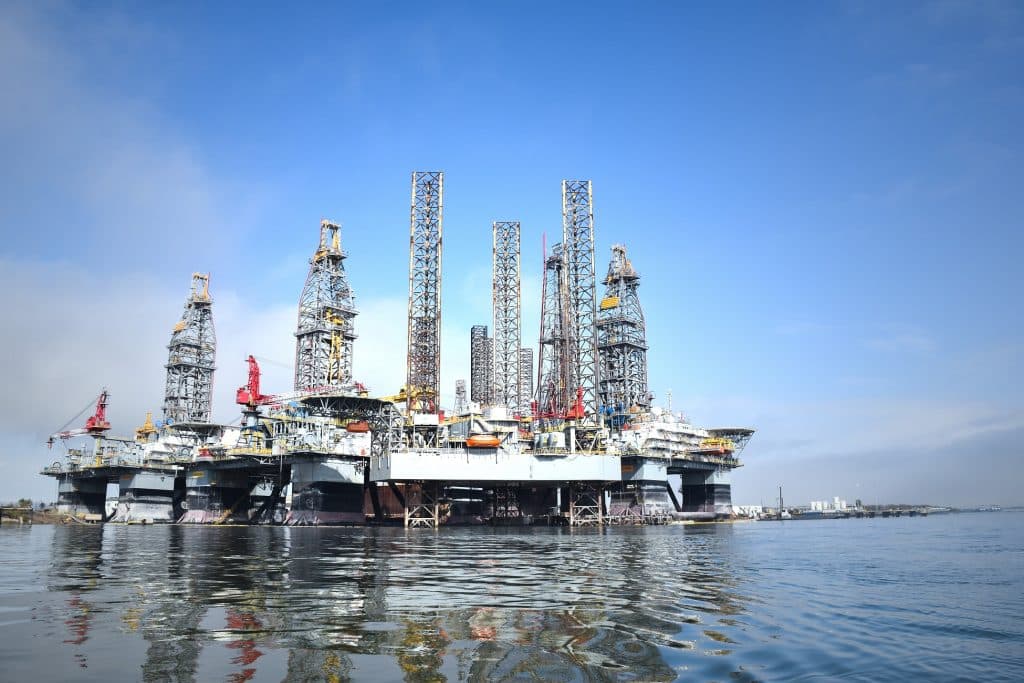
European natural gas supplies remain sensitive to security risks, even two years after the energy crisis. Analysts warn that a potential attack on Norwegian gas infrastructure could trigger a sharp rise in prices and destabilise a market that is currently heavily positioned for a decline. The combination of large speculative short positions, lower storage levels and geopolitical uncertainty, they say, increases systemic risk for the winter period.
European gas infrastructure in the North Sea is highly vulnerable to targeted attacks, according to analysts. Norway accounts for approximately 30% of natural gas supplies to the European Union. Any disruption would have an immediate impact on prices and market stability, Nadia Martin Wiggen, head of UK investment firm Svelland Capital, said during a webinar hosted by Montel.
According to Wiggen, a potential attack on Norwegian infrastructure would quickly trigger a price shock. “A disruption to supplies would call into question around 30% of Europe’s gas supply,” she said. The market, she added, would respond with a sharp rise in prices and the rapid closure of speculative short positions that have accumulated in recent months on Europe’s most liquid trading hub, the Dutch TTF.
The record volume of short positions is making the market more sensitive to any negative shock. According to ICE Endex data, investment funds’ net short positions reached approximately 85 TWh at the beginning of December, having risen by around 35 TWh in the latest reported week alone. While the liquidity provided by these positions improves market functioning, it also creates a risk of a sharp price reaction in the event of an unexpected supply outage.
“If an extraordinary event occurred, we would be less prepared than last year,” Wiggen said. This is due to a combination of lower gas stocks, continuing geopolitical uncertainty and greater reliance on a handful of key suppliers.
According to Gas Infrastructure Europe data, the level of European gas storage fell below 70% of capacity for the first time since early August. It currently stands at 69.8%, around 9 percentage points below the level for the same period last year. Lower stocks make the market more sensitive, especially in the event of a colder winter or several negative factors occurring at once.
Another risk, according to analysts, is the potential for prices to rise rapidly due to what is known as a short squeeze. In a market dominated by bets on falling prices, a sudden supply outage can lead to positions being closed quickly and prices surging. This mechanism increases volatility and complicates risk management for industrial consumers and energy companies.
Despite these risks, gas prices remain relatively low for now. The TTF contract for delivery next month is trading at around 27 EUR/MWh, with the market currently viewing the risks as potential rather than imminent. Analysts warn, however, that the combination of geopolitical threats, the market’s speculative positioning and falling stocks is creating conditions in which the situation could change very quickly.
Translation disclaimer
This article is a machine translation of the Czech original and has not yet been fully reviewed. In case of any doubt, please refer to the Czech version.
Sdílejte článek prostřednictvím:
You might also like

10 October 2026, 13:19
10 October 2026, 07:37

10 October 2026, 07:02